
 Morina Gael
 Many fitness trainers do not rely only on supplements or costly treatments to stay in peak condition. They often use simple home remedies that support recovery, reduce soreness, and improve performance. These methods are practical, easy to follow, and grounded in basic science. From hydration techniques to natural anti-inflammatory solutions, these habits help maintain consistency. Anyone aiming to improve energy and recovery can benefit from incorporating these strategies into daily routines.
Hydration boost
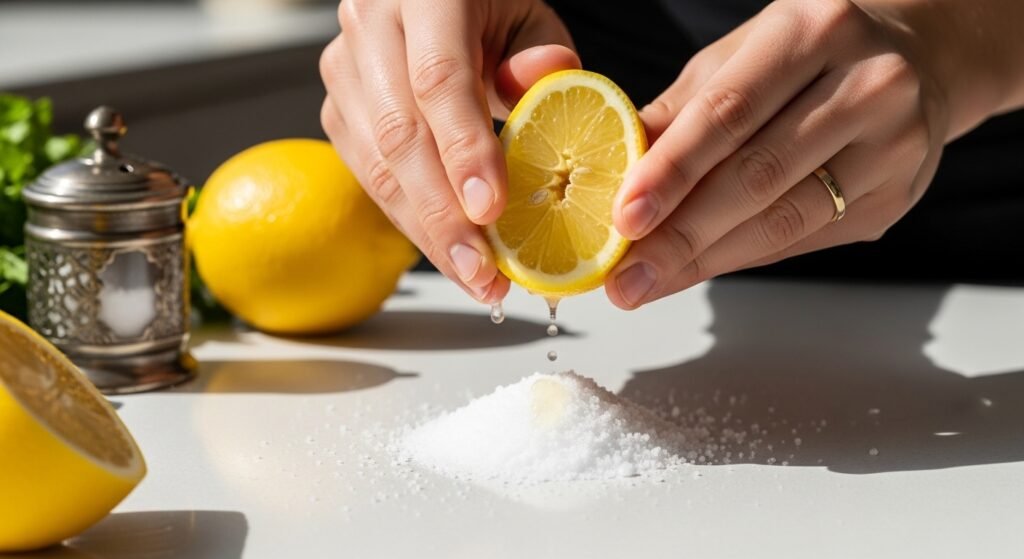
Water plays a critical role in muscle recovery and performance. Trainers often enhance hydration by adding a pinch of salt and a squeeze of lemon. This improves electrolyte balance and fluid absorption. Proper hydration can increase endurance and reduce fatigue during demanding workout sessions.
Turmeric milk

Turmeric contains curcumin, which supports inflammation control and joint health. Trainers recommend drinking warm turmeric milk after workouts to reduce soreness. It helps accelerate recovery and improves overall comfort. Consistent intake can ease muscle stiffness, especially after strength-based training.
Cold showers

Cold water exposure is commonly used to reduce inflammation and improve circulation. Trainers prefer short cold showers after intense sessions to support recovery. This practice helps decrease muscle soreness and refreshes the body. Even a few minutes can create noticeable benefits over time.
Epsom salt soak

Epsom salt provides magnesium, which helps relax muscles and reduce cramps. Trainers often suggest soaking in warm water with Epsom salt after heavy workouts. This method supports recovery and enhances relaxation. It can also improve sleep quality, which is essential for muscle repair.
Ginger tea

Ginger is known for its natural soothing and anti inflammatory effects. Trainers use ginger tea to reduce soreness and support digestion. It helps calm the body after intense activity and improves recovery speed. Regular use can also support gut health, which influences energy levels.
Foam rolling

Foam rolling is a self massage technique widely used for muscle recovery. Trainers include it in daily routines to release tension and improve flexibility. It increases blood flow and reduces stiffness. Spending a few minutes on foam rolling can lower injury risk and enhance movement quality.
Banana intake

Bananas are rich in potassium, which helps prevent muscle cramps. Trainers often recommend eating a banana before or after workouts for quick energy. It also helps restore glycogen levels, supporting recovery. This makes it a simple and effective natural snack option.
Sleep routine

Quality sleep is essential for muscle repair and performance. Trainers prioritize seven to eight hours of sleep each night. During sleep, the body releases hormones that support recovery. Poor sleep can reduce strength, endurance, and overall training progress.
Stretching habit

Stretching improves flexibility and reduces the risk of injuries. Trainers include dynamic stretching before workouts and static stretching afterward. This helps muscles recover faster and improves mobility. Regular stretching also supports better posture and long-term physical comfort.
Honey and cinnamon
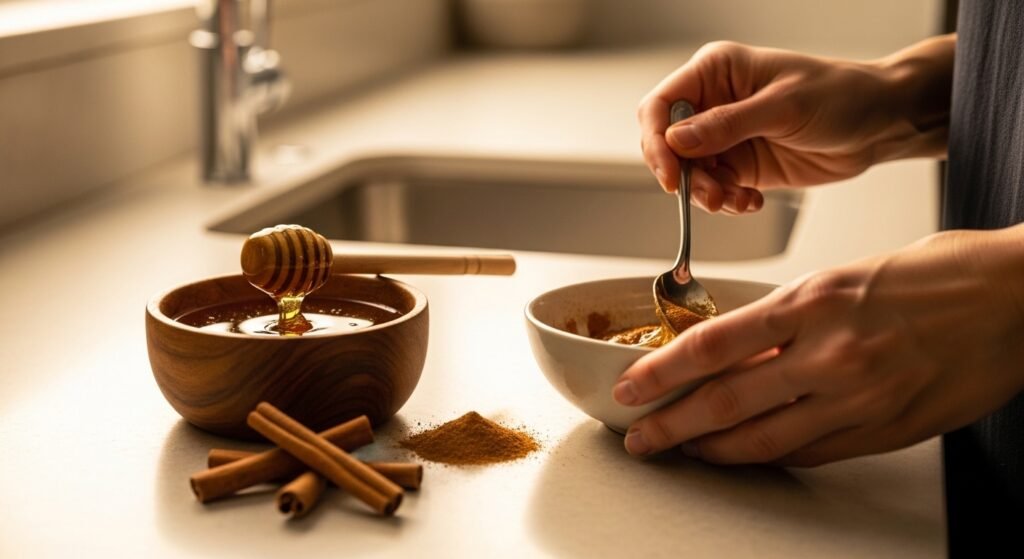
This combination is often used for natural energy and balance. Honey provides quick fuel, while cinnamon helps regulate blood sugar levels. Trainers use this mix before workouts to improve stamina. It also supports overall wellness when consumed consistently.