 Morina Gael
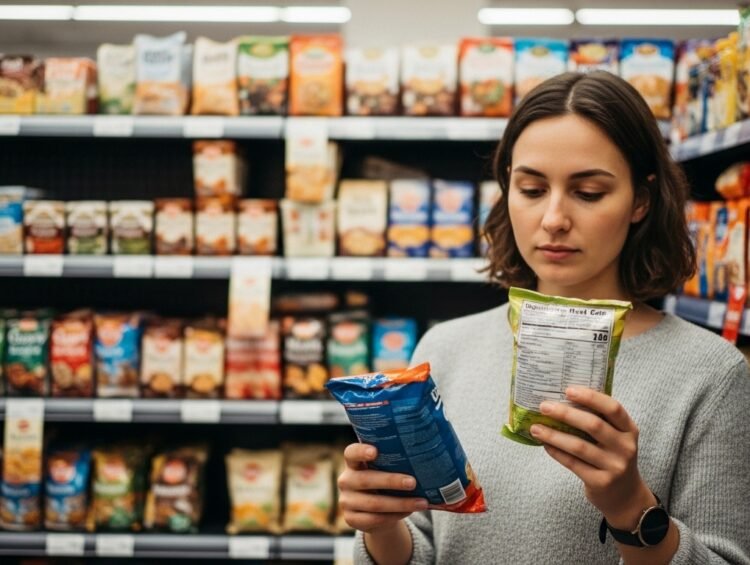
 Shoppers often rely on packaging claims to make quick decisions, but many of these labels are designed to influence perception rather than reflect true nutritional value. Food manufacturers use strategic wording, visuals, and portion tactics to position products as healthier than they actually are. Understanding these tactics can help consumers make more informed choices and avoid being misled by attractive packaging that hides less ideal ingredients.
Low Fat Labels
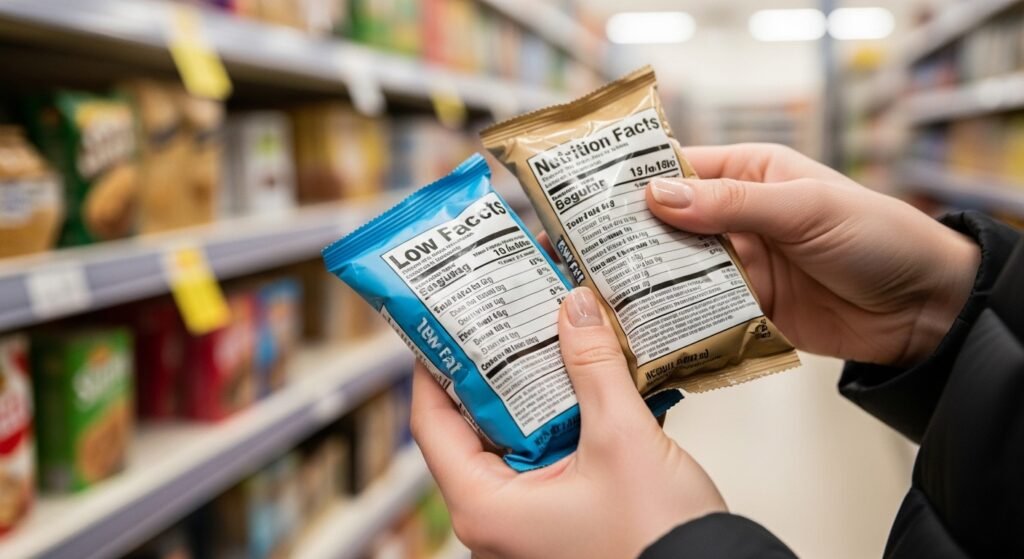
Products labeled as low-fat often compensate by adding sugar or refined carbohydrates to maintain taste. Research shows that reduced-fat foods can sometimes contain equal or higher calorie counts. Checking the full nutrition label provides a clearer picture than relying on front-of-package claims.
Natural Claims
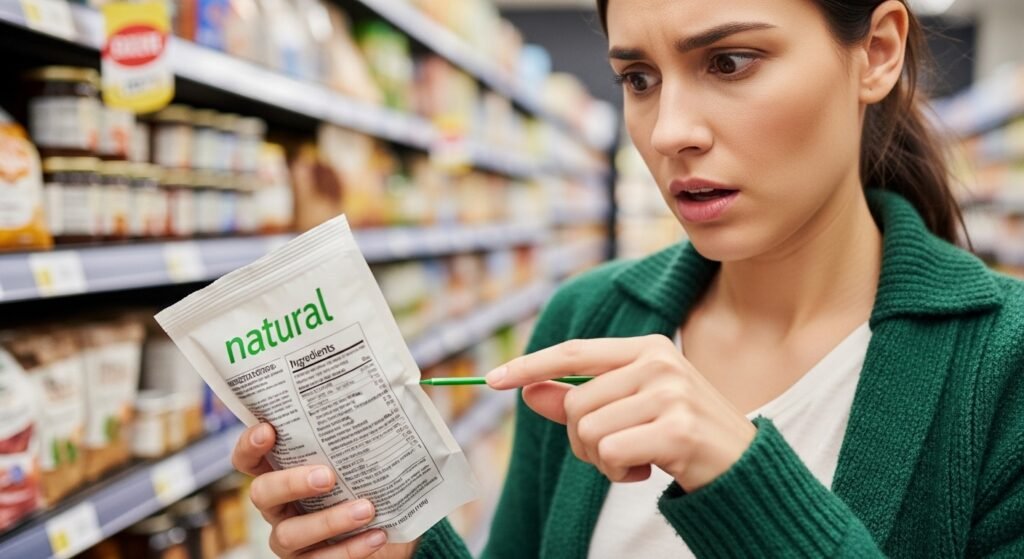
The word natural has no strict regulatory definition in many cases. This allows brands to use it even when products are highly processed. A product labeled natural may still contain additives or refined ingredients, so ingredient lists should always be reviewed carefully.
Hidden Sugar Names
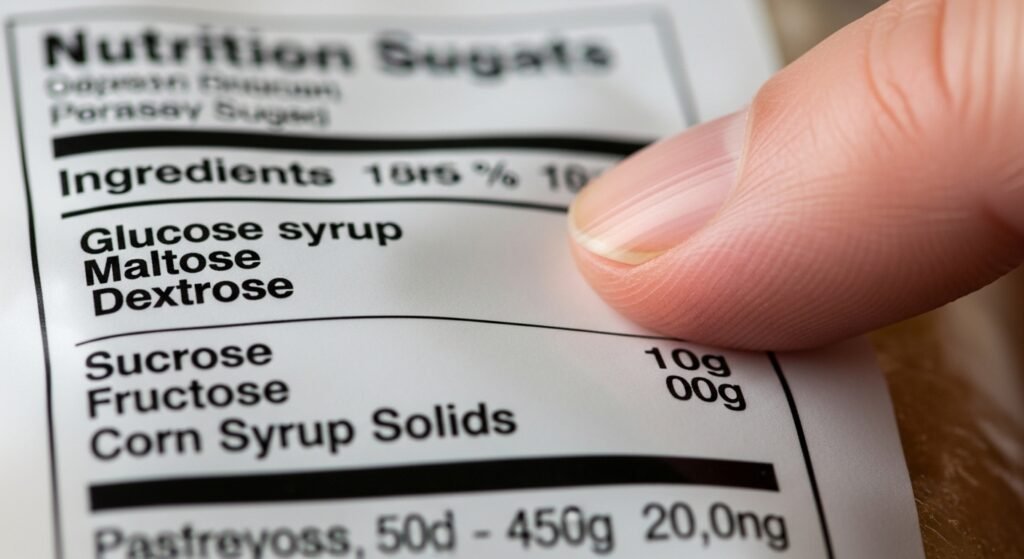
Sugar is often listed under different names like glucose syrup, maltose, or cane juice. This makes it harder to identify the total sugar content at a glance. Reading labels closely helps reveal how much added sugar is actually present in the product.
Small Serving Sizes
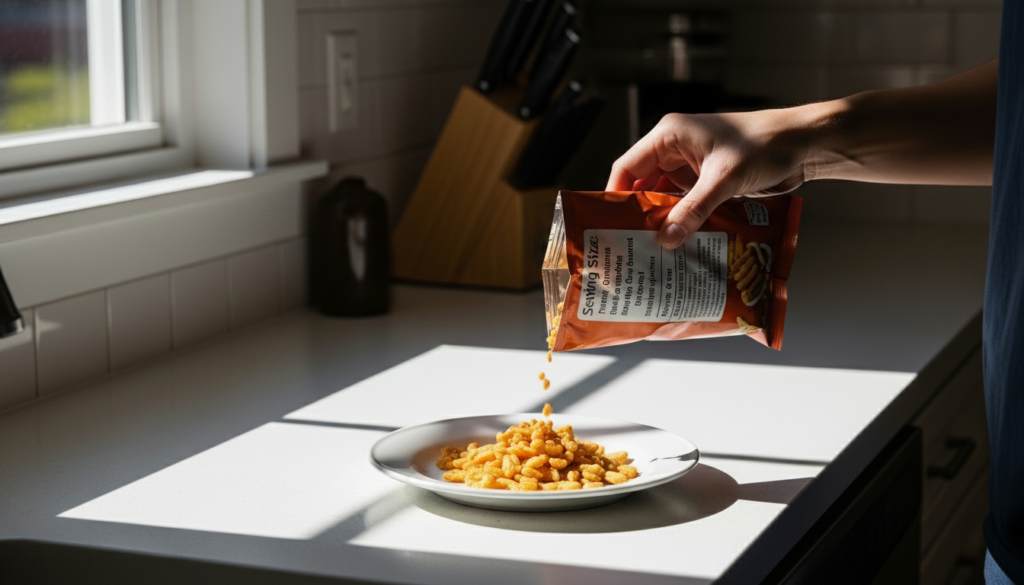
Manufacturers sometimes reduce serving sizes to make calorie and sugar numbers appear lower. In reality, most people consume more than the listed portion. Comparing serving size with actual consumption gives a more accurate understanding of intake.
Whole Grain Illusion
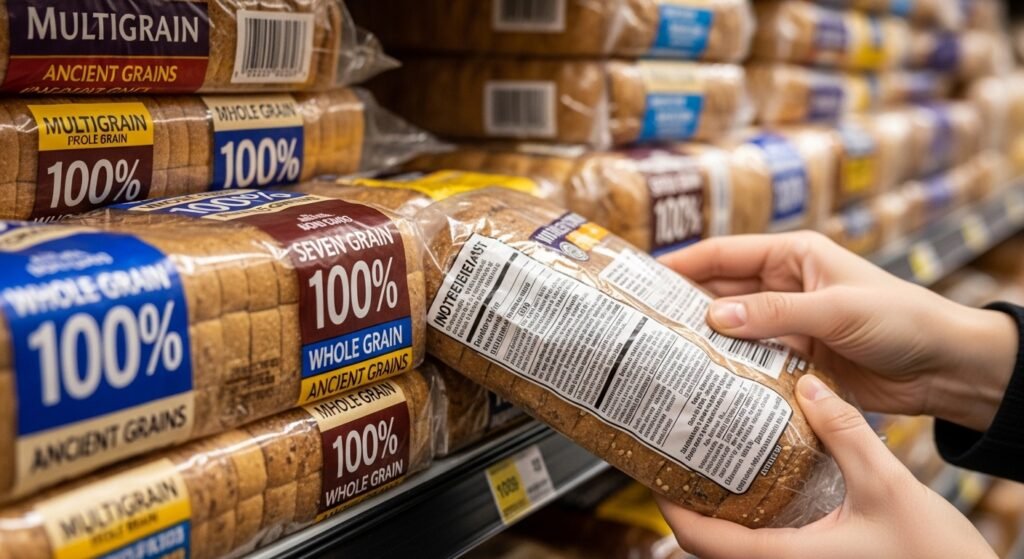
Labels that mention whole grains can be misleading if the product still contains mostly refined flour. Terms like multigrain or made with whole grains do not guarantee high fiber content. Checking if whole grains are listed as the first ingredient is more reliable.
Health Halo Effect
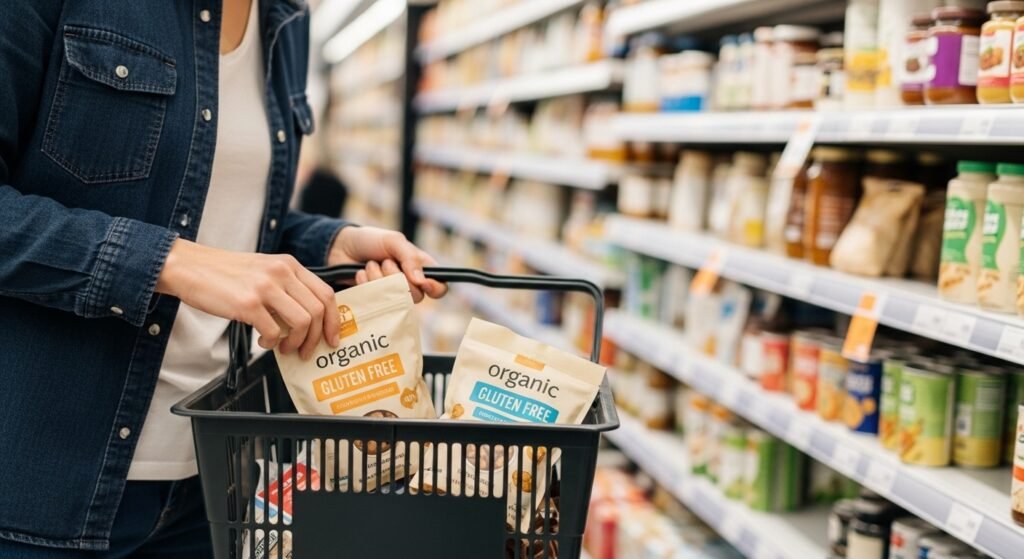
Products marketed as organic or gluten free are often perceived as healthier overall. However, these labels do not automatically mean lower calories or better nutrition. Many such products still contain high amounts of sugar, fats, or processed ingredients.
Added Vitamins Appeal
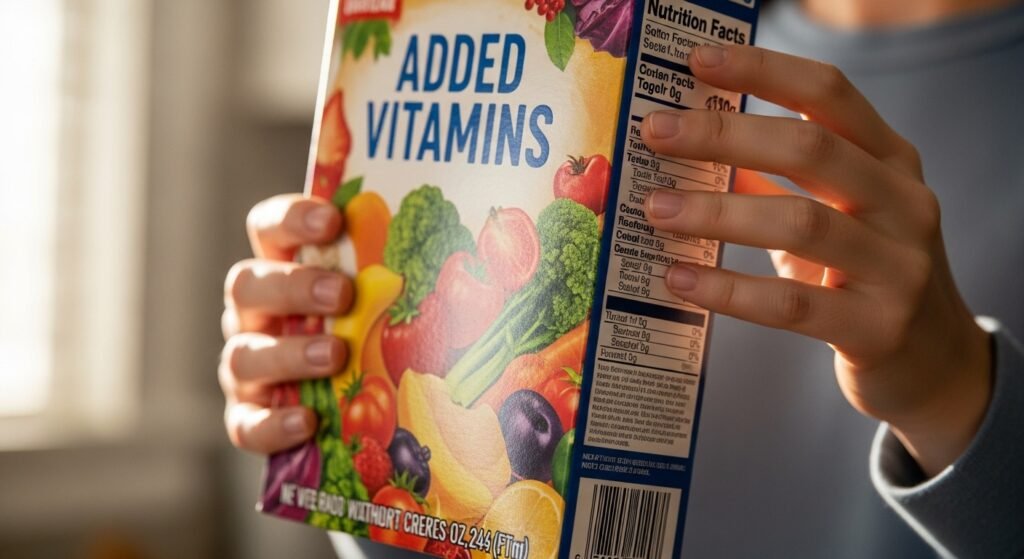
Some foods are fortified with vitamins to appear more nutritious. While this adds value, it does not offset high sugar or low-quality ingredients. A balanced product should naturally provide nutrients rather than rely heavily on fortification.
Clean Packaging Design
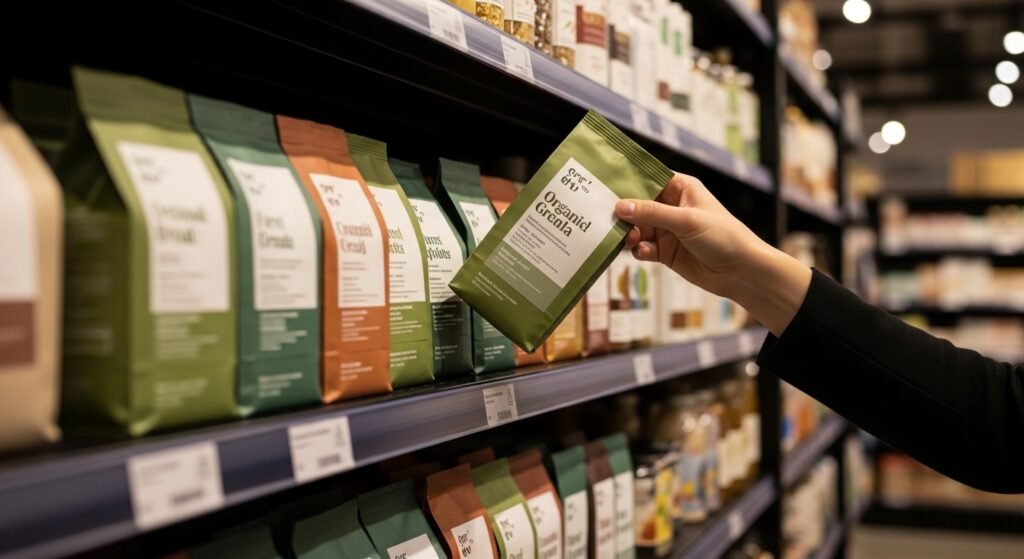
Simple colors, green tones, and minimalistic designs create a perception of health and freshness. Studies show consumers associate these visuals with better quality. However, packaging style does not reflect the actual nutritional content inside.
Front Label Focus
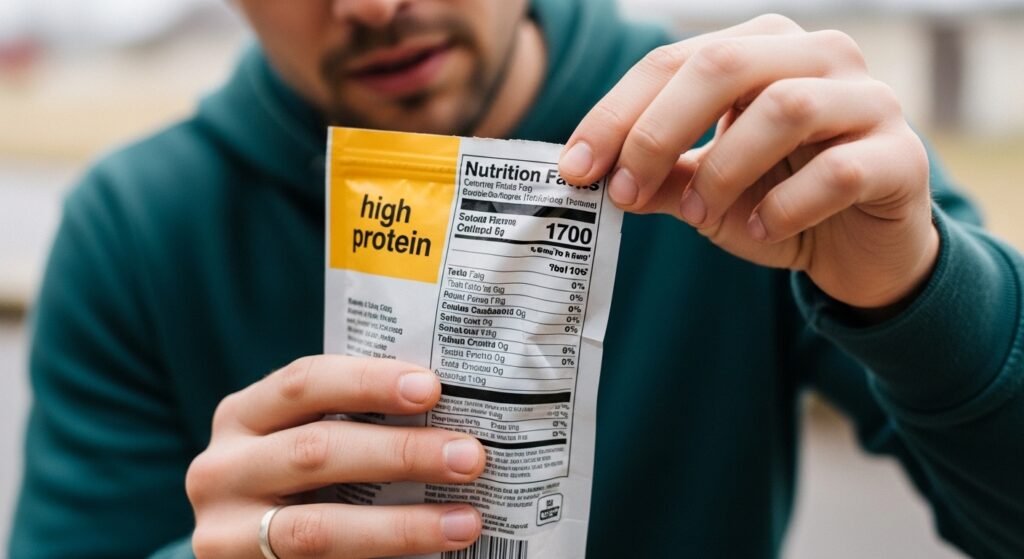
Front of package claims highlight positive aspects while ignoring less healthy components. Words like high protein or rich in fiber draw attention away from sugar or sodium levels. Turning the package around and reading the full label gives a more accurate assessment.