
 Morina Gael
 Stress has become a constant part of modern life, affecting both mental and physical health. Research shows that chronic stress can impact sleep, energy levels, and overall well being. The good news is that small, practical changes can significantly reduce its effects. Instead of relying on temporary distractions, these proven strategies focus on long term balance and recovery. When practiced consistently, they can improve focus, mood, and resilience.
Control Your Breathing

Slow, controlled breathing can quickly calm the nervous system. Techniques like inhaling for four seconds and exhaling for six seconds help lower heart rate. This method signals the body to relax and reduces immediate stress responses effectively.
Move Your Body Daily

Physical activity is one of the most reliable ways to reduce stress. Even 20 minutes of walking can lower cortisol levels. Exercise also releases endorphins, which improve mood and create a sense of mental clarity throughout the day.
Limit Information Overload

Constant exposure to news and notifications can increase stress levels. Reducing screen time and setting boundaries for information intake helps protect mental space. This allows the mind to process thoughts more calmly and efficiently.
Improve Sleep Quality

Poor sleep increases stress sensitivity and reduces emotional control. Maintaining a consistent sleep routine supports recovery and mental balance. Creating a calm bedtime environment can significantly improve sleep quality over time.
Stay Socially Connected

Meaningful social interaction helps reduce feelings of isolation and stress. Talking to friends or family provides emotional support and perspective. Even brief conversations can improve mood and reduce mental pressure.
Organize Your Priorities

Feeling overwhelmed often comes from unclear priorities. Writing down tasks and focusing on one at a time improves efficiency. This approach reduces mental clutter and helps regain a sense of control over daily responsibilities.
Practice Mindfulness
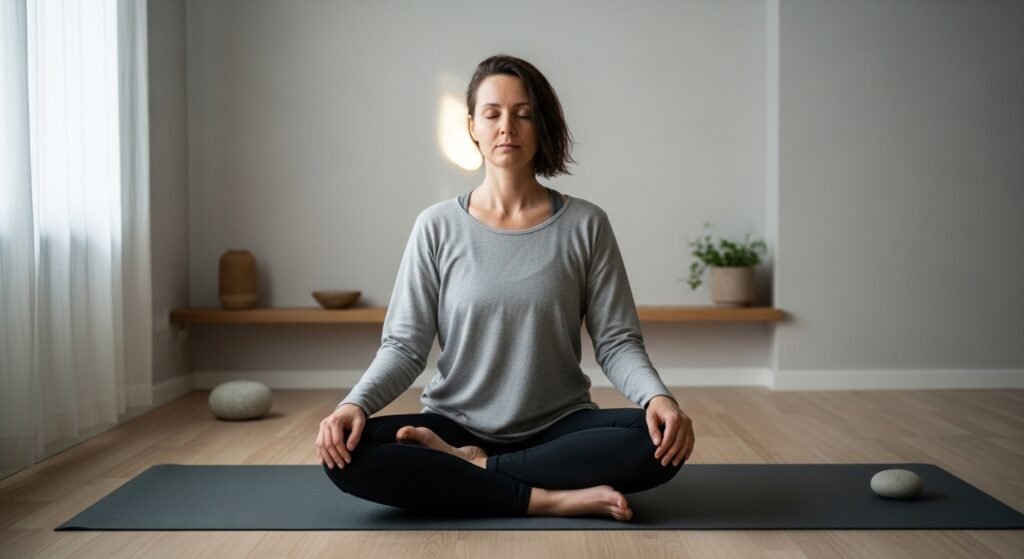
Mindfulness involves focusing on the present moment without judgment. Simple practices like observing breathing or surroundings can reduce anxiety. Regular mindfulness improves emotional regulation and helps manage stress more effectively.
Reduce Caffeine Intake

Excess caffeine can increase anxiety and disrupt sleep patterns. Limiting intake helps maintain stable energy levels and reduces nervousness. Replacing some caffeinated drinks with water or herbal options can support a calmer state.
Spend Time In Nature

Exposure to natural environments has been shown to lower stress levels. Even short periods outdoors can improve mood and reduce mental fatigue. Nature provides a calming effect that helps restore focus and emotional balance.