 Morina Gael
 Jumping jacks may seem easy, but lots of individuals would find it difficult to do them without any difficulties or bouts. This is a typical workout that integrates coordination, power, and heart stamina into a workout. Jumping jacks are commonly used in the warm ups by the fitness professionals since they engage a variety of muscle groups simultaneously. Whenever they are challenging to someone then it is normally due to the limitations on mobility, muscle stamina or breathing pattern and not because one is not trying hard.
Coordination Challenges
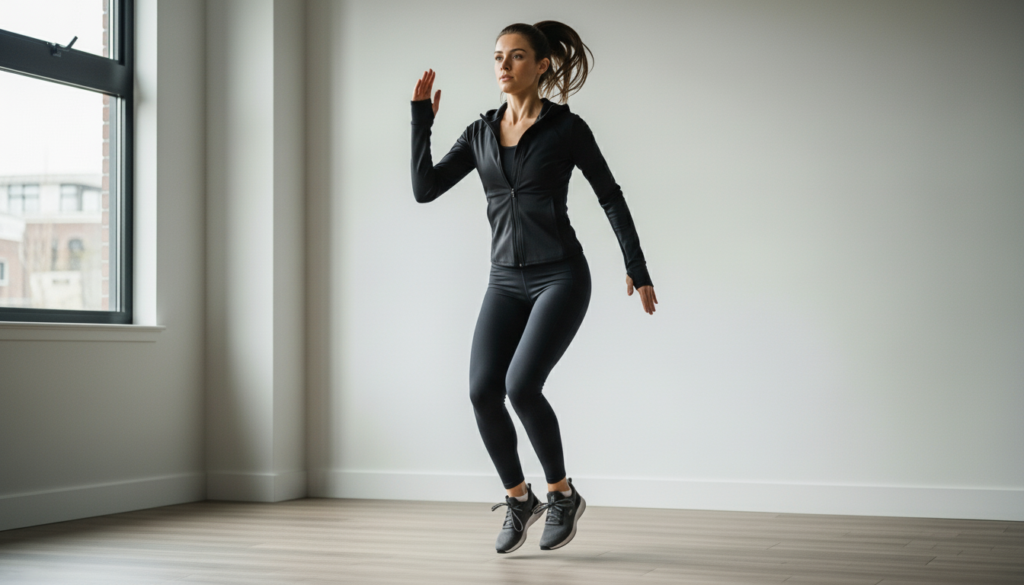
Jumping jacks involve the arms and the legs moving in opposite directions simultaneously. This coordination may seem clumsy to the novices and interrupt rhythm. Taking the movement slowly facilitates the learning of the pattern by the brain and the muscles and with time, the process becomes more accurate and precise in the execution of the exercise.
Limited Shoulder Mobility

When jumping jacks are carried out, the arms should swing upwards many times. Individuals who have tight shoulders or upper back muscles might not be able to move their arms easily. Light stretching and gentle shoulder mobility exercises tend to make the movement less difficult and ease of repeated repetition.
Weak Leg Muscles

The legs will be used to take off the ground and land the body in control with each jump. In the case of the lack of strength of the quadriceps, calves, or the glutes, the exercise might feel tiresome in a short time. Power and stability can be enhanced by strengthening these muscles by performing squats, or steps.
Low Cardiovascular Endurance

Jumping jacks make the heart rate increase very fast since they do not require a lot of rest. A beginner in exercise will get out of breath in a matter of seconds. The slow training allows the heart and lungs to get used to it such that the body can be more efficient in delivering oxygen during a period of activity.
Poor Core Stability
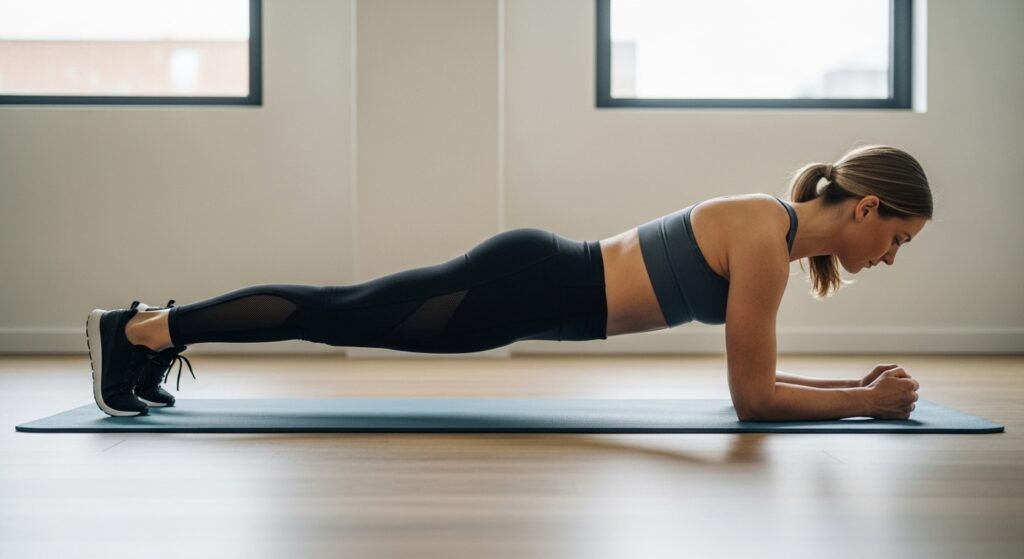
The central muscles assist in preserving balance and posture in jumping jacks. The body might be destabilized or lack co-ordination in the absence of sufficient core engagement. Basic core work like planks or assisted standing positions can assist in enhancing stability in the long term.
Stiff Ankles Or Hips
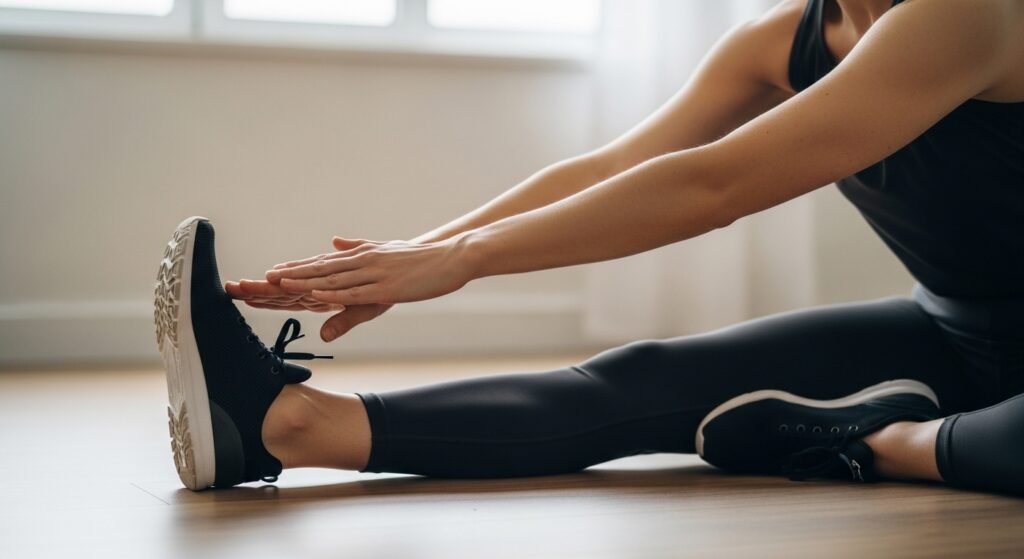
The elastic joints enable the body to absorb the impact and move freely in the event of jumps. The ankles or hips can be tight, and the range of movement can be reduced, with every jump being awkward. Lower body mobility exercises can tend to make movement comfortable and efficient.
Improper Landing Technique

Having too much weight on the feet may cause pain to the knees or ankles. A good technique is to land with slightly bent knees. This contributes to the spreading of impact and cushions the joints during repeated leaps.
Lack Of Practice

As most exercises, jumping jacks get easier with time. The nervous system tends to become increasingly good at coordinating the movement. Short sets will enable the body to get used to it without the body becoming so fatigued.
Body Weight Factors

An increase in the body weight results in more effort to raise the body at every jump. This may even become more challenging than anticipated. The endurance can be developed by the low impact variations like step jacks that will allow the people to minimize strain.
Mental Hesitation

There are those who fear losing synchrony when performing jumping activities or they experience discomfort. This indecisiveness may disrupt the flow of the movement. The slow-start with emphasis on controlled movement assists in developing confidence and more fluent performance.