
 Morina Gael
 As the body ages, skin becomes thinner, drier, and more sensitive to frequent washing. What worked in younger years may no longer support skin health after 65. Experts suggest that adjusting shower frequency can help maintain natural oils, reduce irritation, and improve overall comfort. A balanced hygiene routine focuses on cleanliness while protecting the skin barrier and preventing unnecessary dryness or discomfort.
Why skin changes

After 65, the skin produces less natural oil. This makes it more prone to dryness and irritation. Frequent showers, especially with hot water, can strip away protective oils and lead to itching or flaking over time.
Ideal shower frequency

Most experts recommend showering two to three times per week. This is usually enough to maintain hygiene without over drying the skin. Daily showers may still be suitable for active individuals, but they should be shorter and more gentle.
Focus on key areas

On non shower days, cleaning essential areas can maintain hygiene. Areas like underarms, feet, and private regions should be washed regularly. This targeted approach helps balance cleanliness with skin protection.
Water temperature matters

Warm water is better than hot water for aging skin. Hot water can worsen dryness and weaken the skin barrier. Keeping showers lukewarm helps preserve moisture and reduces the risk of irritation.
Choose gentle cleansers
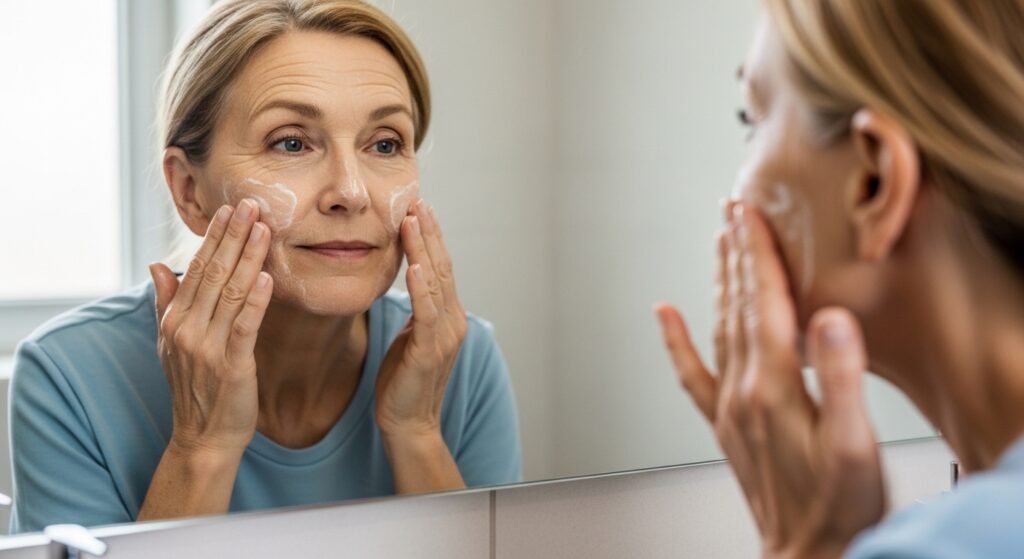
Mild, fragrance free cleansers are more suitable for older skin. Harsh soaps can strip away essential oils and disrupt skin balance. Using gentle products helps maintain hydration and prevents unnecessary sensitivity.
Limit shower duration

Short showers are more beneficial than long ones. Staying under water for five to ten minutes reduces moisture loss. This simple adjustment can make a noticeable difference in skin comfort and health.
Moisturize immediately
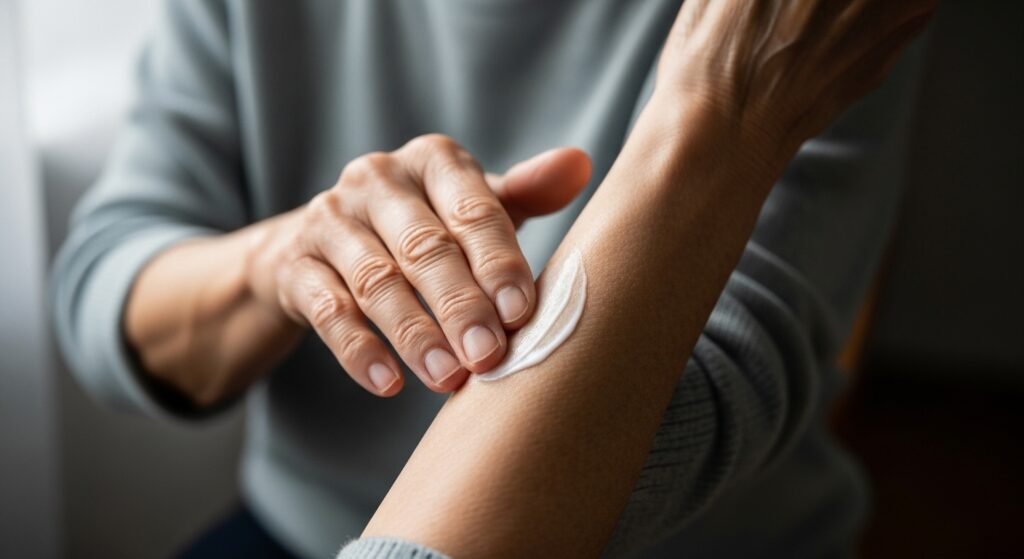
Applying moisturizer right after showering helps lock in hydration. Damp skin absorbs products more effectively. This step is essential in preventing dryness and maintaining a smooth skin texture.
Consider activity level

Shower frequency should match lifestyle. Individuals who exercise or sweat more may need to shower more often. However, even in such cases, using gentle methods can protect the skin from excessive dryness.
Watch for warning signs

Persistent itching, redness, or flaking may indicate over washing. Adjusting shower habits can often resolve these issues. If symptoms continue, it may be useful to review products or consult a professional.
Maintain overall hygiene

Showering is only one part of hygiene. Regular hand washing, oral care, and clean clothing are equally important. A well rounded routine supports both health and comfort without over relying on frequent showers.
Balance is key

The goal is to stay clean without damaging the skin barrier. A moderate approach helps maintain both hygiene and skin health. Small changes in routine can lead to noticeable improvements in comfort and overall wellbeing.