 Morina Gael
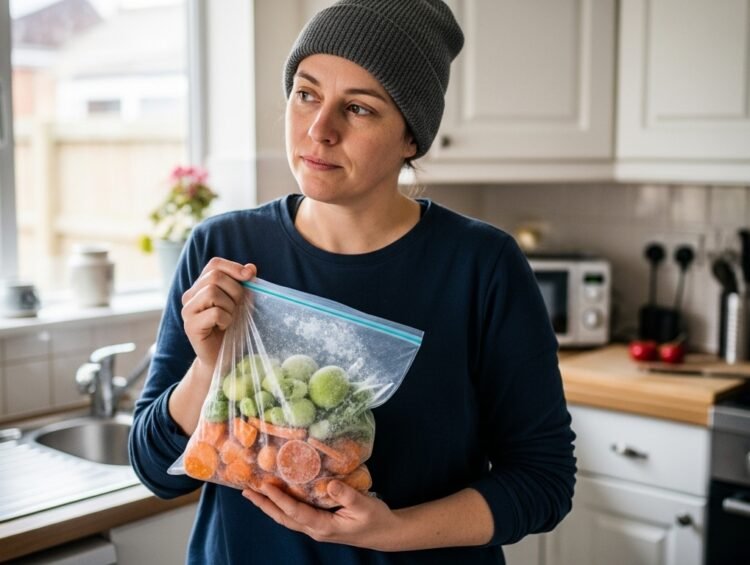
 Frozen fruits and vegetables are often seen as convenient and ready to use straight from the bag. While many products are pre-washed and processed under strict standards, that does not always mean they are safe to eat without any preparation. Understanding when washing or cooking is necessary can help reduce health risks and ensure better food safety at home.
Not All Are Ready To Eat
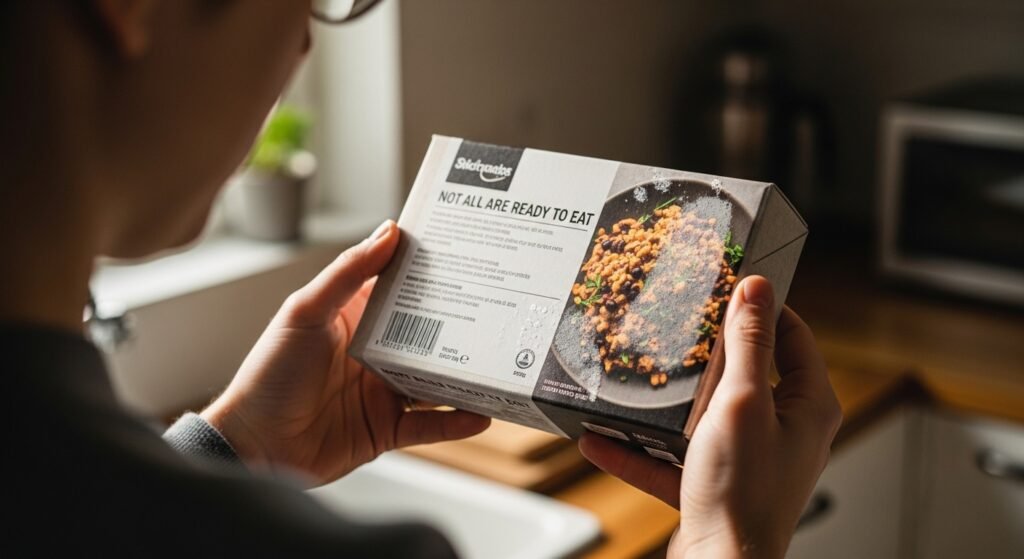
Many frozen products are labeled as pre washed, but this does not guarantee they are safe to consume raw. Some items are processed for cooking rather than direct consumption. Checking packaging instructions is essential before deciding whether washing or cooking is required.
Risk Of Hidden Contamination
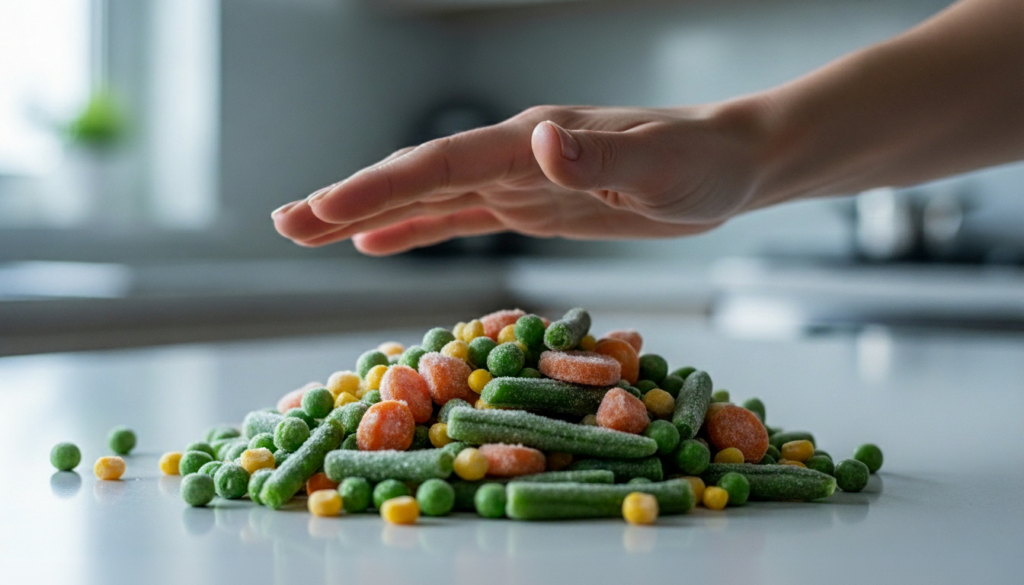
Frozen foods can still carry bacteria if contaminated during processing or packaging. Freezing slows bacterial growth but does not eliminate it completely. This means harmful microbes can remain present until proper cooking is done.
Vegetables Often Need Cooking
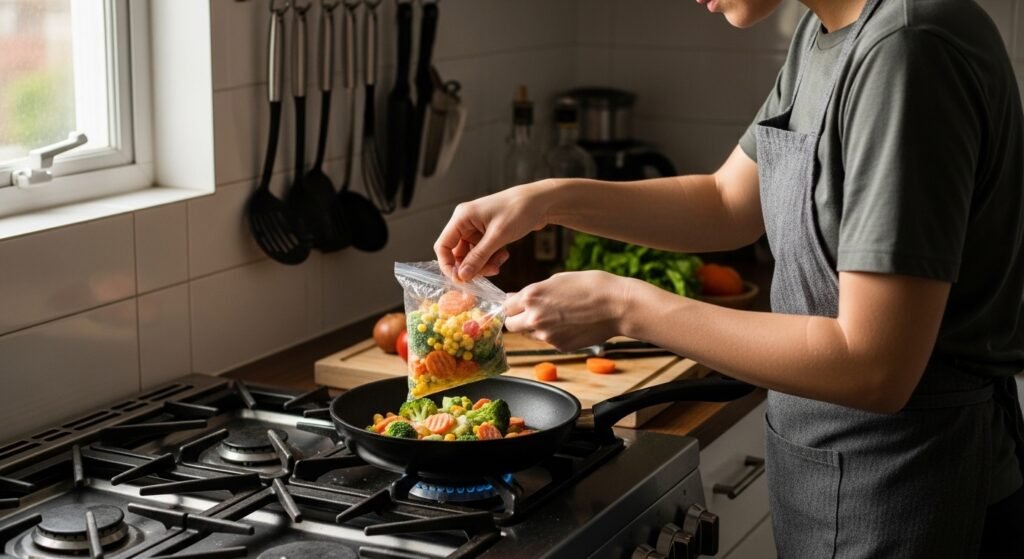
Most frozen vegetables are intended to be cooked before eating. Heating them thoroughly reduces the risk of foodborne illness. Items like peas, corn, and spinach are safer when cooked rather than consumed directly from the bag.
Fruits Are Usually Safer Raw
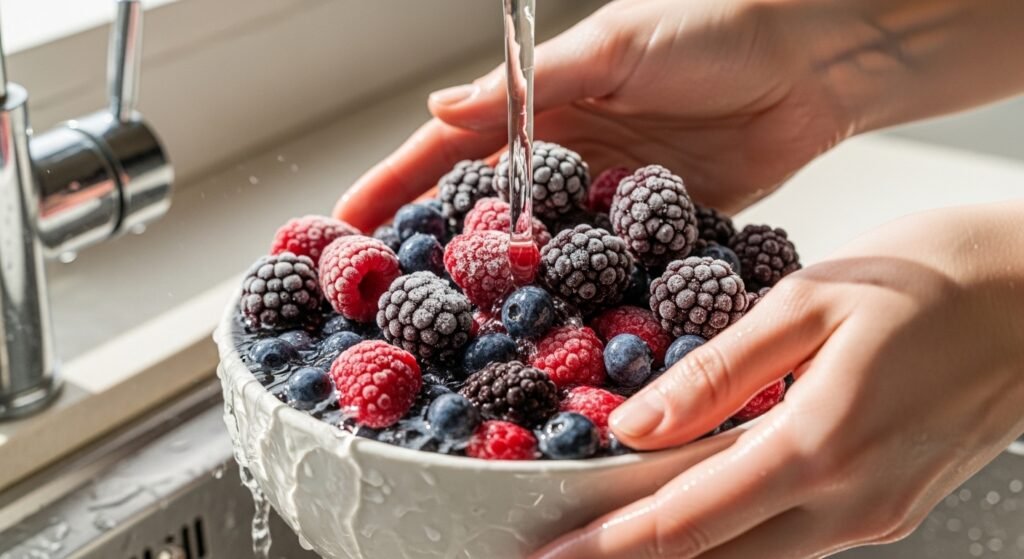
Frozen fruits are more commonly used without cooking, especially in smoothies or desserts. However, they can still carry contaminants. Washing them lightly before use can add an extra layer of safety, particularly if they will be eaten raw.
Outbreaks Have Occurred
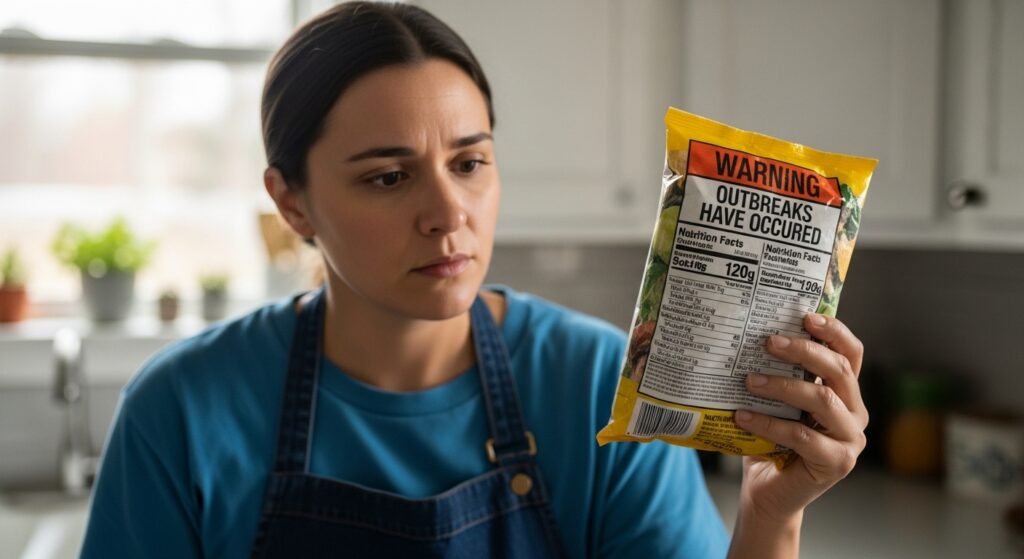
There have been cases where frozen produce was linked to contamination incidents. These situations highlight the importance of handling frozen foods carefully. Even products that appear clean can carry risks if not prepared correctly.
Washing Does Not Remove Everything
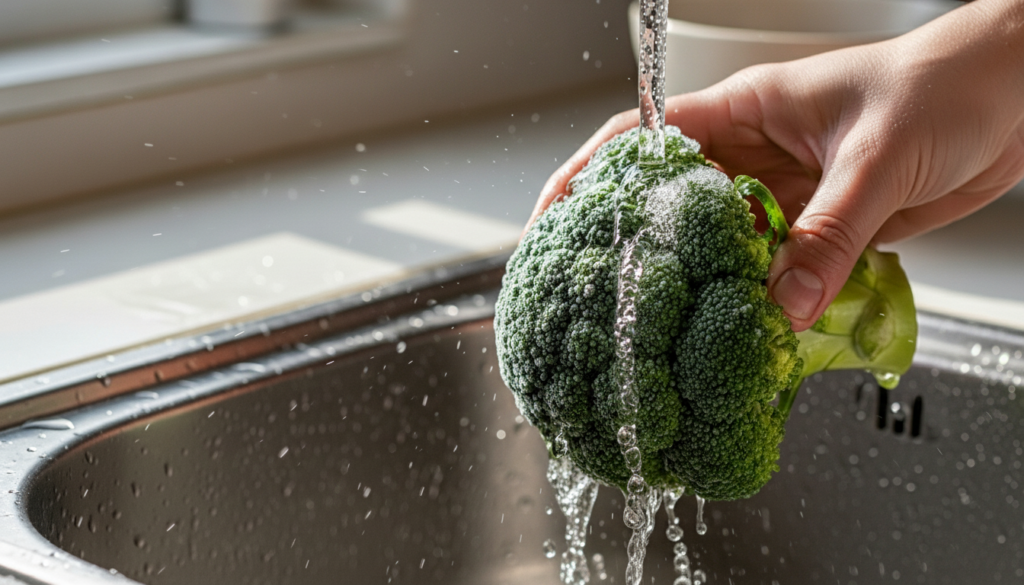
Rinsing frozen produce can help remove surface dirt or ice crystals, but it may not eliminate all bacteria. Washing should not replace proper cooking when it is recommended. It is best seen as an additional precaution rather than a complete solution.
Check The Label Carefully
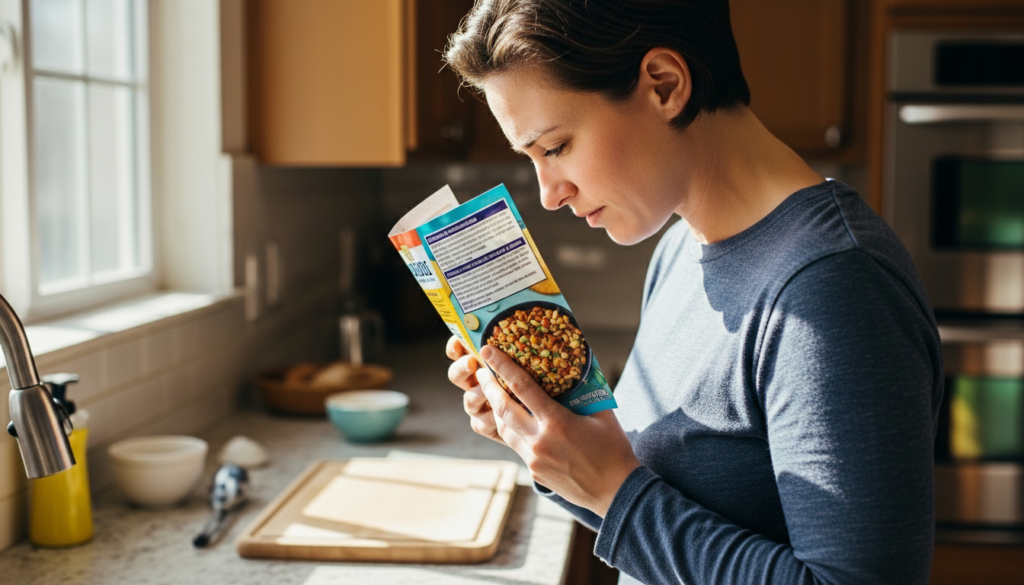
Packaging instructions provide the most reliable guidance. Labels often state whether the product is ready to eat or must be cooked. Following these instructions reduces uncertainty and helps ensure food safety.
Avoid Cross Contamination
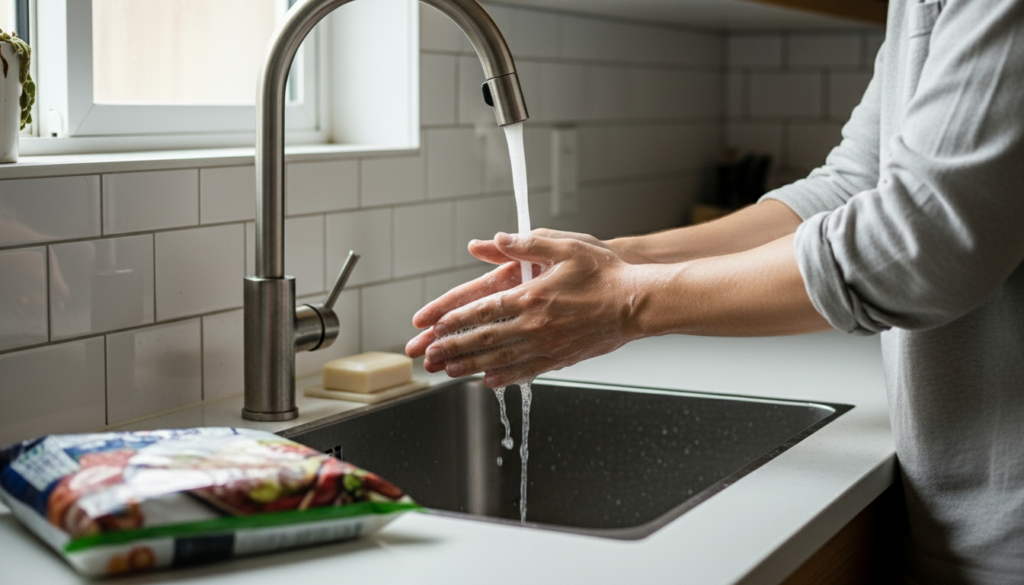
Handling frozen produce without care can spread bacteria to other surfaces. Using clean utensils and washing hands after handling helps prevent contamination. Keeping raw and cooked foods separate is also important.
Use Heat When Needed
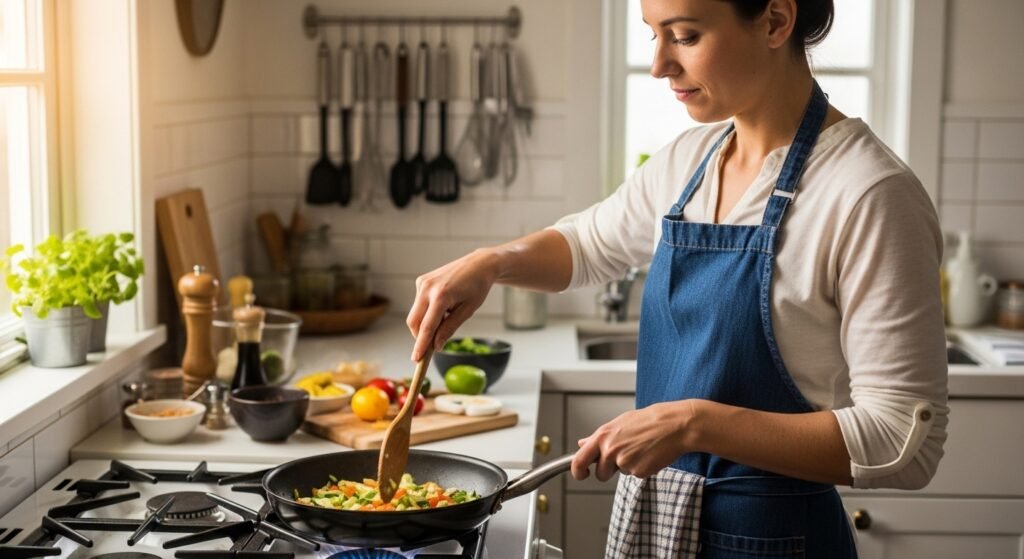
Cooking frozen vegetables to the recommended temperature is one of the safest practices. Heat effectively reduces harmful bacteria and makes the food safer to consume. This step is especially important for high risk groups.
Store And Handle Properly
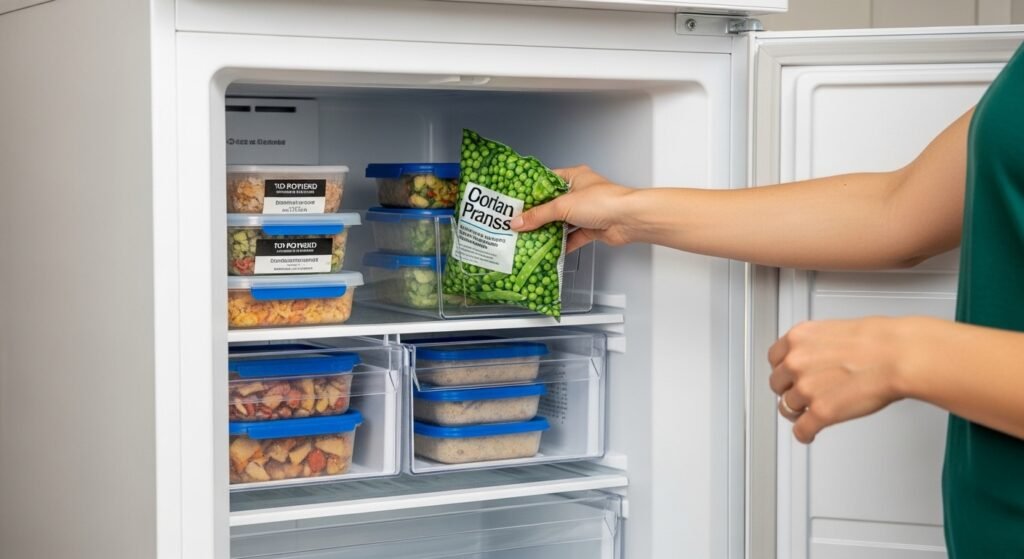
Maintaining the correct freezer temperature helps preserve food quality and safety. Avoid thawing and refreezing multiple times, as this can increase contamination risk. Proper storage plays a key role in keeping frozen foods safe.
When Washing Makes Sense
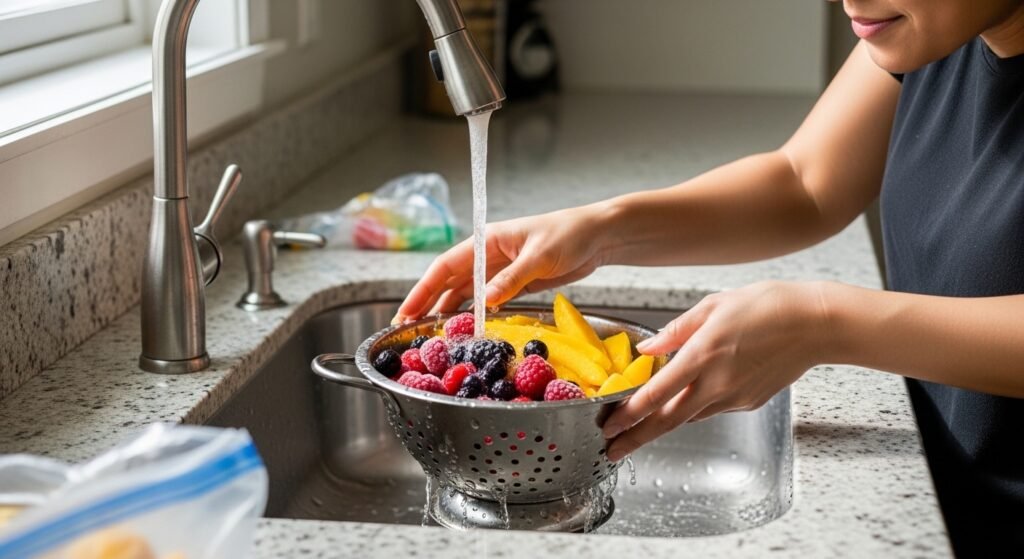
Washing is useful for frozen fruits that will be eaten without cooking. It can also help improve texture in some cases. However, it should always be combined with safe handling practices for best results.
Smart Habits Make The Difference

Understanding how frozen foods are processed and used helps reduce unnecessary risks. Simple habits like reading labels, cooking when required, and maintaining hygiene can make a significant difference in food safety at home.