 Morina Gael
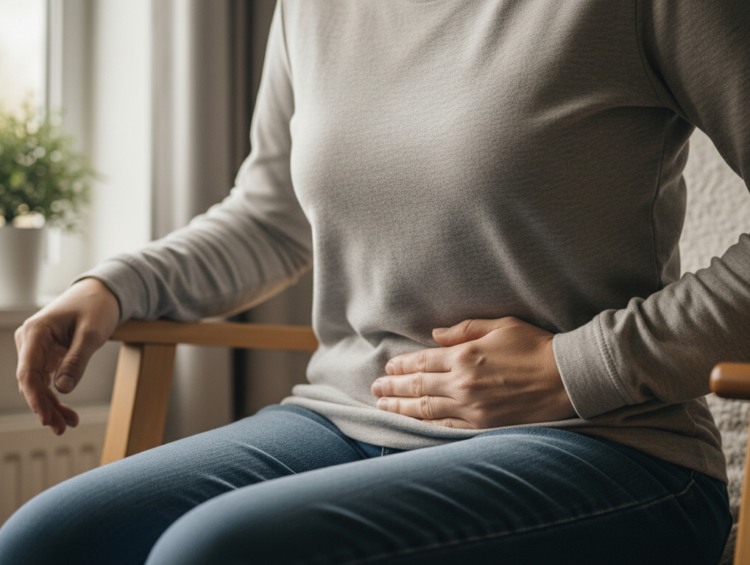
 The condition known as ulcerative colitis is a chronic inflammatory bowel disease that may interfere with everyday life due to the following symptoms such as pain in the abdomen, urgency, and tiredness. Even though drug therapy is imperative, most individuals look into supplemental natural methods to relieve pain and enhance the overall gut health. Well-selected remedies, in combination with professional advice, can assist in decreasing inflammation, aiding digestion, as well as enabling increased control of the symptoms during the flare-ups and in remission during long-term.
Probiotic Support
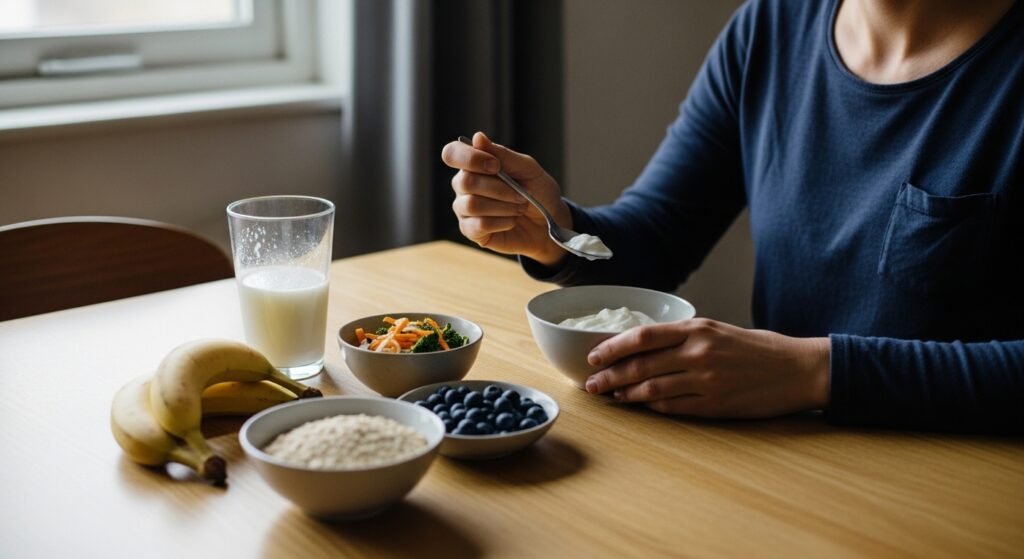
Positive microbiota could potentially restore the gut microbiome which is frequently destabilized in patients with ulcerative colitis and can lessen inflammation and stabilize immunological regulation. Regular intake of probiotic strains that are studied clinically with the guidance of a healthcare provider could eventually increase the consistency of the stool and reduce mild digestive discomfort.
Turmeric Benefits
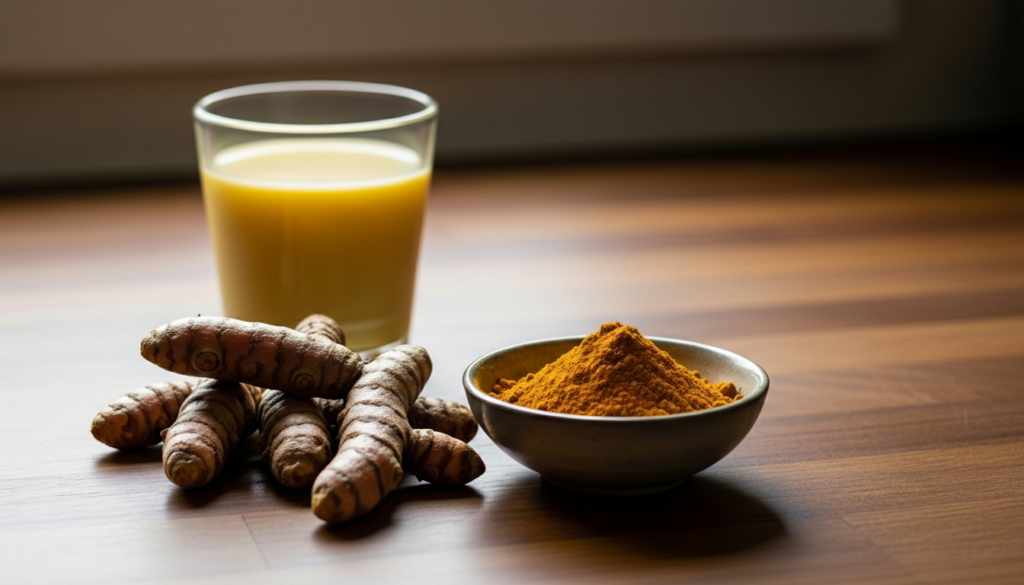
The active ingredient in turmeric is called curcumin, and it is anti inflammatory which has been proposed by research to be used as a complemented therapy alongside prescribed medicine to reduce the inflammation in the intestine. Optimal results are seen in the use of absorption when paired with black pepper or healthy fats meaning that formulation counts when the desired outcomes are to be realized.
Omega Nutrition
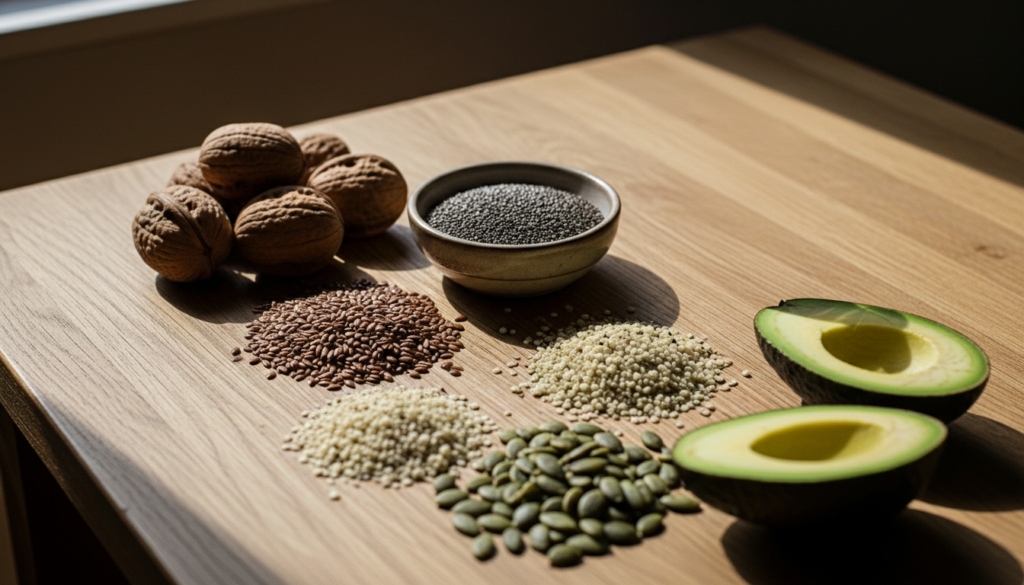
Inflammatory pathways in the body may be regulated with the help of omega three fatty acids in flaxseeds, walnuts and fatty fish, which also can be beneficial in maintaining the overall digestive system. Regular intake of these nutrients in the meals may help improve immune balance but they cannot substitute medical treatment.
Aloe Relief
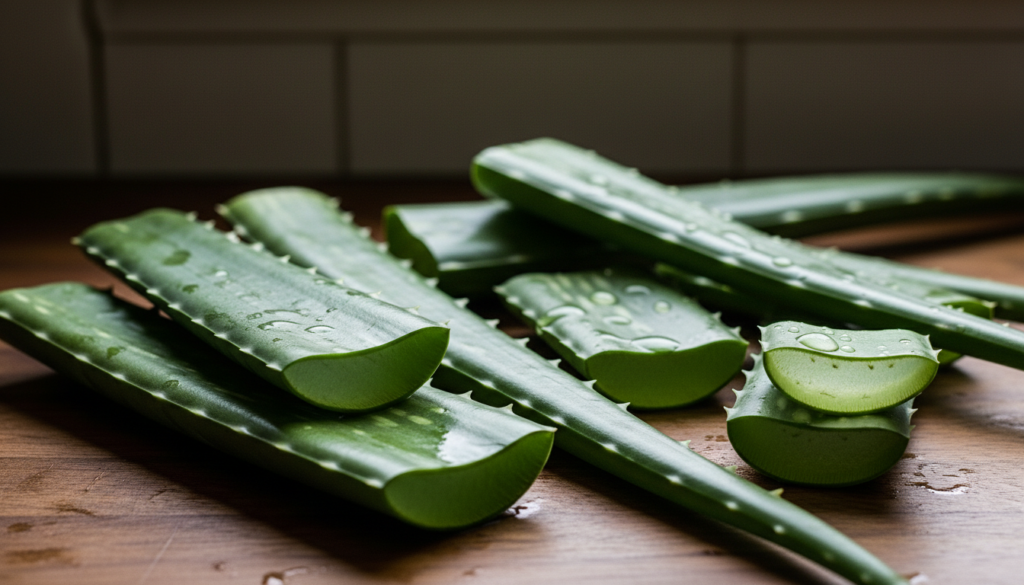
The Aloe vera juice has also been studied in regards to its calming effects on the intestinal tract, with some patients claiming that there is less irritation and that the bowel movement feel a lot better when there are minor symptoms. It is necessary to select food grade products that are purified and contain no added irritants so that one may not experience any undesirable side effects.
Fiber Balance
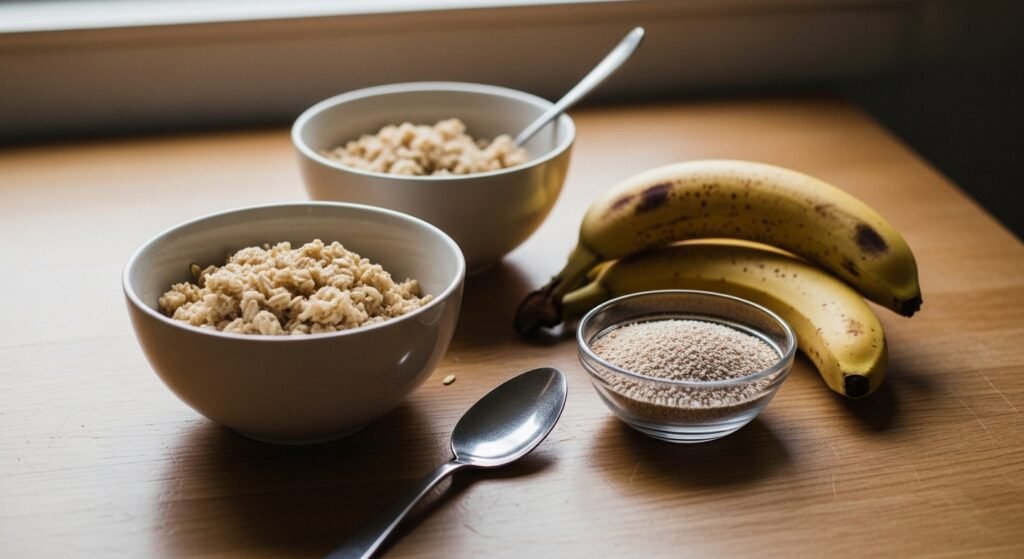
Dietary soluble fiber (oats, bananas, psyllium husk) may also be beneficial in the regulation of bowel movements by absorbing water and forming a soft gel that helps to maintain the stool consistency. It is also crucial to prevent the aggravation of discomfort by slowly increasing the amount of fiber in the diet, especially at the time of flares.
Ginger Comfort
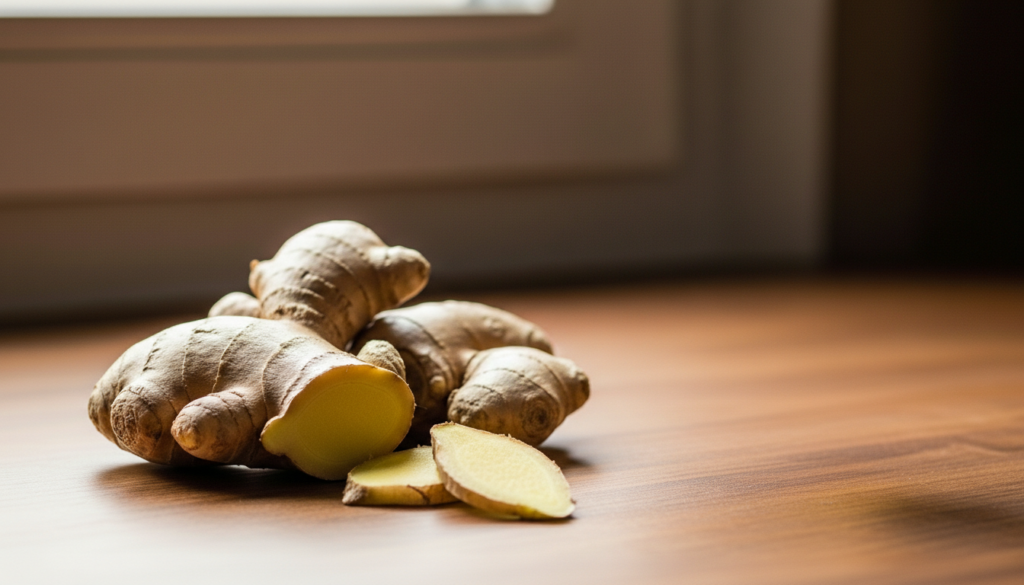
Natural compounds of ginger have potential to work with nausea, bloating and mild inflammation, and, as such, is a supporting choice in digestive wellness. Taking it in teas or fresh preparations may relieve the situation without putting an additional burden on the digestive system.
Stress Reduction

Continuous stress may affect inflammation of the gut and the severity of the symptoms, thus relaxation practices are a significant component of symptom management. Mindfulness, breathing exercises and gentle yoga are among the techniques that could help to balance the nervous system and enhance the overall well being.
Hydration Focus

Fluid intake is sufficient to keep electrolytes balanced and to avoid instances of dehydration especially when the bowel movements are frequent. Oral rehydration solutions can be used where necessary by drinking water steadily through the day, which can also aid in energy and recovery.