
 Metty William
 It can be quite intimidating to take a stroll down the supplement aisle of a local grocery store and see all of those giant tubs of powder that all promise a more powerful physique. It’s always better to have more, but sometimes it is a little more delicate to find your own sweet spot. Based on the experience of specialists such as Howard E. LeWine, MD, Chief Medical Editor, Harvard Health Publishing, balancing your consumption is the means to sustain energy and muscle health.
The Foundation Of Daily Requirements

The Recommended Dietary Allowance proposes an initial protein intake of 0.8 grams per kilogram of body mass. This is mainly viewed as the least that one should consume to prevent sickness in an inactive individual.
Adjusting For An Active Lifestyle

Your requirements may go up in case you work out in the gym or go on hikes during the long weekend. Active persons usually realize that taking an average of 1.2-2.0 grams per kilogram is beneficial in their recovery.
The Role Of Muscle Maintenance

As we age, our bodies might not be as efficient in processing protein. A slight increase may actually be beneficial in maintaining lean muscle mass and will have you feeling a lot more robust over the years.
Understanding The Satiety Factor

Protein is well-known to keep you fuller than simple carbs. Having a moderate portion with each meal may have a possible effect on controlling those afternoon snack cravings that cause our ambitions to go astray.
Calculating Your Personal Number
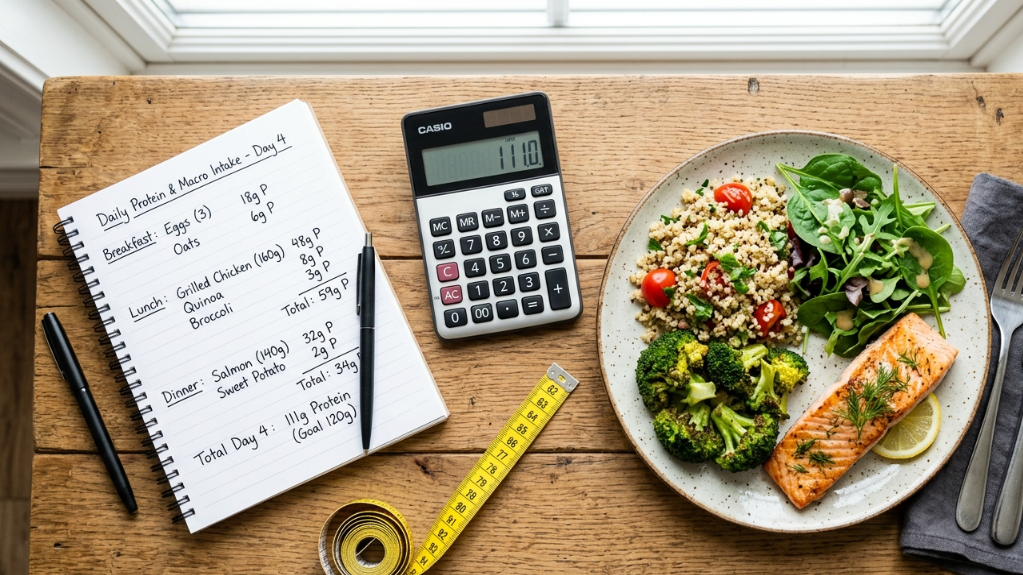
To determine your baseline, you take your weight in pounds, divide by 2.2 to get kilograms, and then multiply by 0.8. This basic mathematics is a place to begin your own individual daily nutritional adventure.
The Myth Of Infinite Absorption

There may be a limit to the amount of protein that your body can absorb at a time. According to many nutritionists, it may be better to spread thirty grams over a number of meals than a single huge meal.
Monitoring Your Kidney Health

Healthy kidneys usually do not have a problem with high protein, but those with existing conditions must take care. High volumes could possibly impose an undue burden on the filtration system for an extremely prolonged duration.
Balancing Protein With Hydration

Nitrogen, a byproduct of protein, contains much water that is required to process it. Hiking the amount of fluid you take may perhaps enable your body to empty these metabolic residues much more effectively and painlessly.
Quality Over Total Quantity

Protein sources are not all created equal as far as nutrition is concerned. Eating less processed, lean food may possibly be more beneficial to long-term health than using greasy, highly salted convenience meat.
The Morning Protein Boost

Having a good breakfast in the morning that is rich in protein may put your metabolism in a good mood. It might actually serve to stabilize the blood sugar level and avoid that energy crash we all hate in the mid-morning.
Consulting With A Professional

In case you are still not sure about your math, a registered dietitian may offer you a unique plan. They might assist you in working around the complexity of your health history and fitness goals.