 Morina Gael
 Have you experienced this? You’re sick or feeling a little off, and you find yourself sitting at the kitchen table trying to reason whether a teaspoon of honey or a cup of ginger tea might actually help. See, more and more research from clinical trials (found in The BMJ and others) agrees that what you find in your cabinet could actually be the real solution. Peering into evidence-based kitchen treasures will bridge the gap between spritzy home remedies and biological facts.
Honey
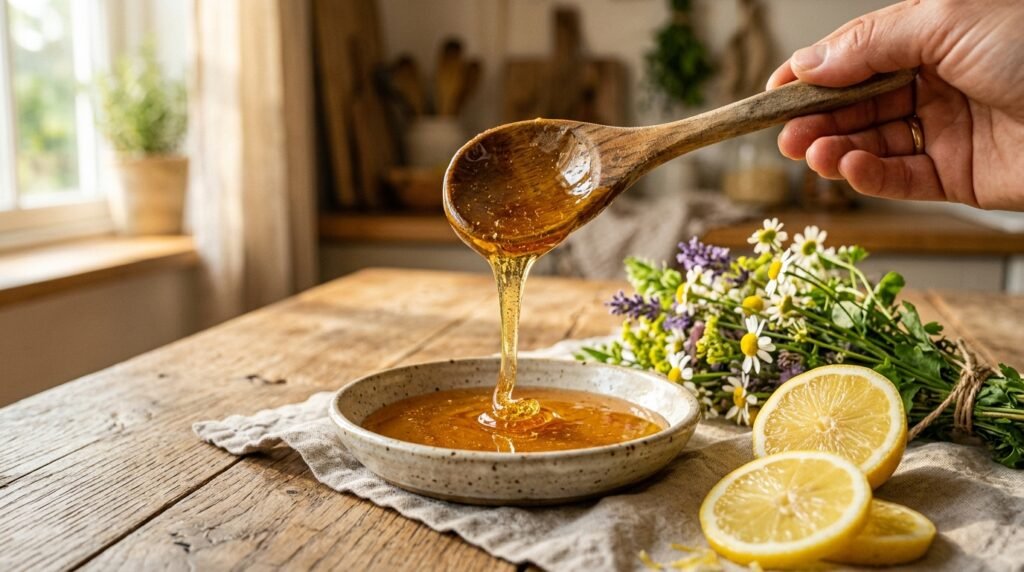
A team from Oxford University even feels that there may be more advantages from using honey than some OTC cures for everyday upper respiratory infections. Its natural antimicrobial properties and thickness can help to coat and soothe an irritated throat.
Salt Water
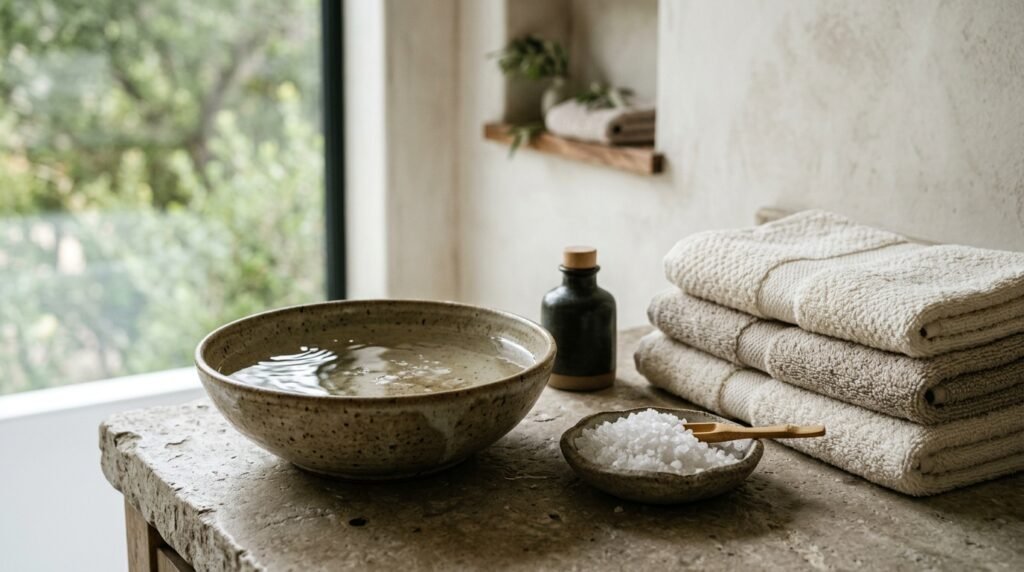
The rinsing or gargling with saline has been proven to be a successful method, mostly because many physicians recommend it. Salt, by removing water and increasing mucus viscosity, may be beneficial as it relaxes the respiratory tract against the cold.
Magnesium
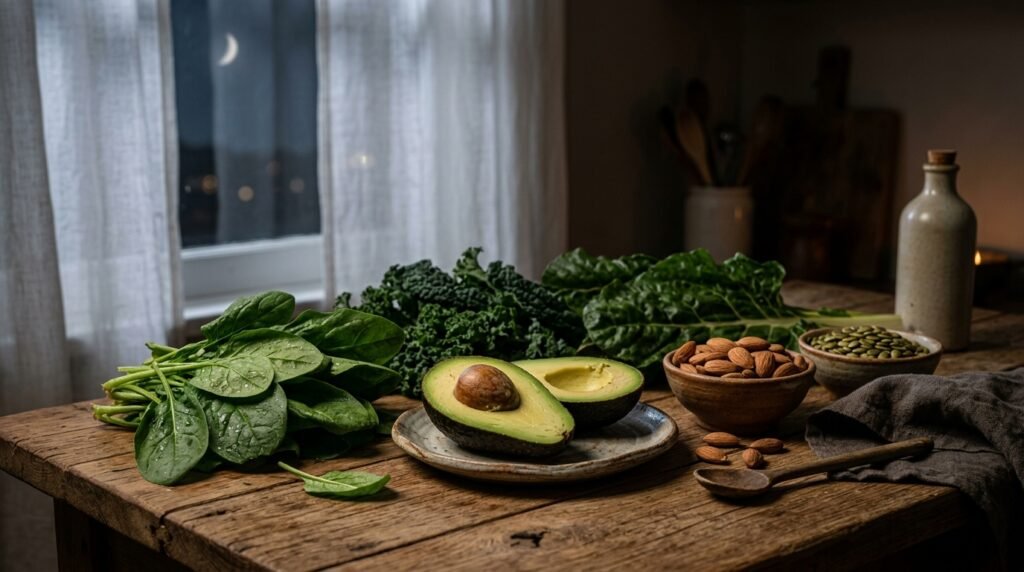
Research indicates that magnesium is involved in controlling neurotransmitters that relax the nervous system. Boosting your intake with leafy greens or Epsom salt baths could maybe help get a better night’s sleep.
Peppermint
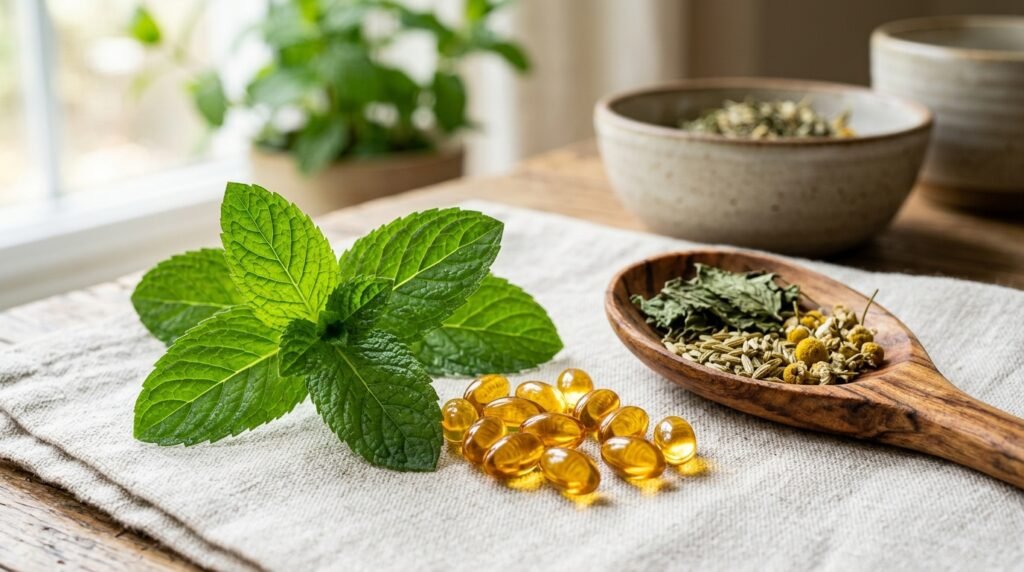
There is some clinical evidence that enteric-coated peppermint oil may relax the smooth muscle of the gastrointestinal tract. This may be a natural method that could relieve the symptoms of gas and bloating for those with sensitive muscle reactions.
Oatmeal
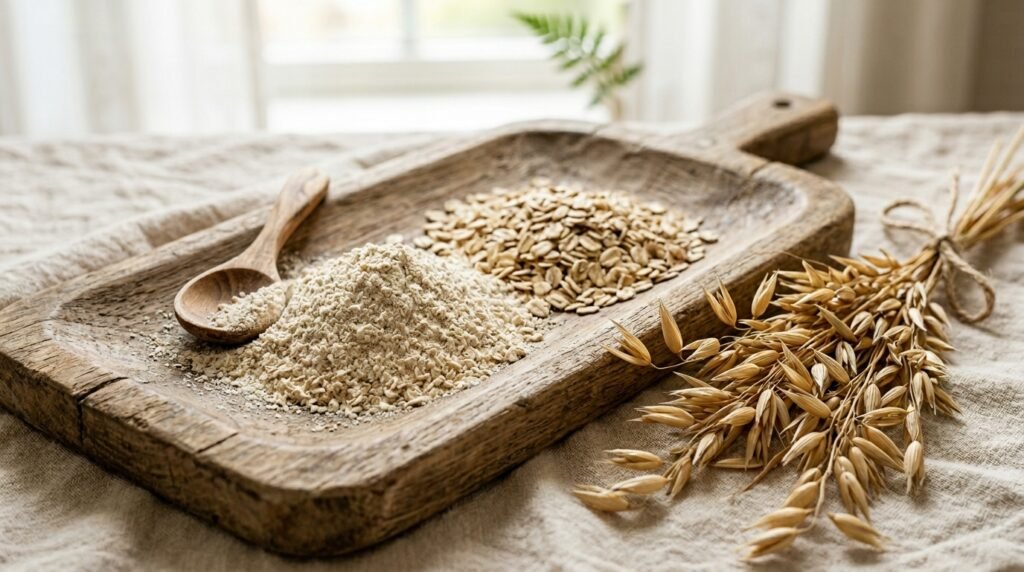
Colloidal oatmeal is FDA-approved as a skin protectant. Avenanthramides may be responsible for those effects that include the reduction of inflammation or irritation, including dryness or poison ivy.
Valerian Root

For centuries, Valerian has been a treatment recommended for insomnia. There is some clinical evidence that it could be used as a sedative for the brain, thus a bit of help to sleep.
Elderberry
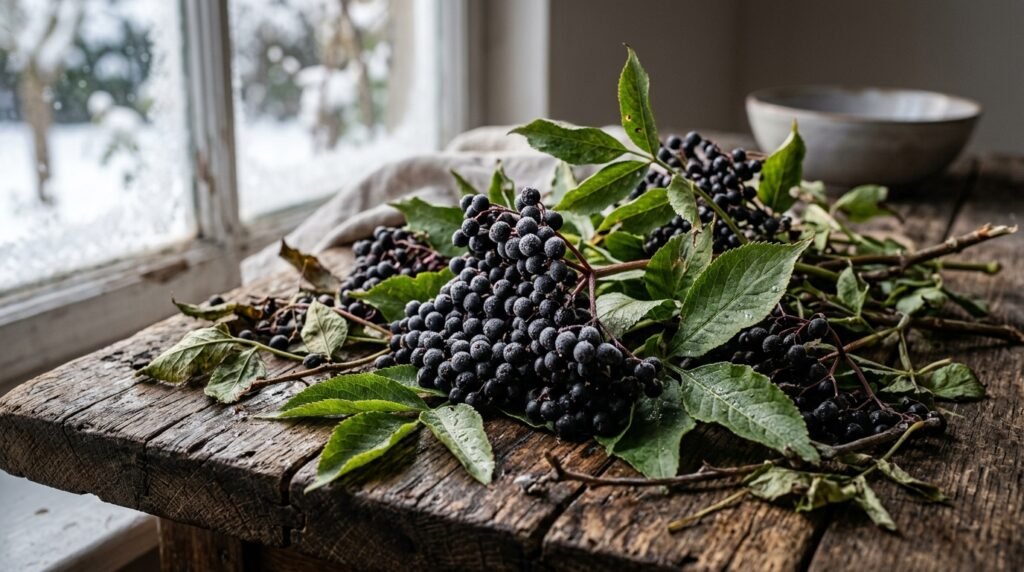
There is some indication that elderberry extract may shorten the length of cold symptoms. Antioxidants in these dark berries can keep the body’s defenses from being impaired in the winter season.
Flaxseed
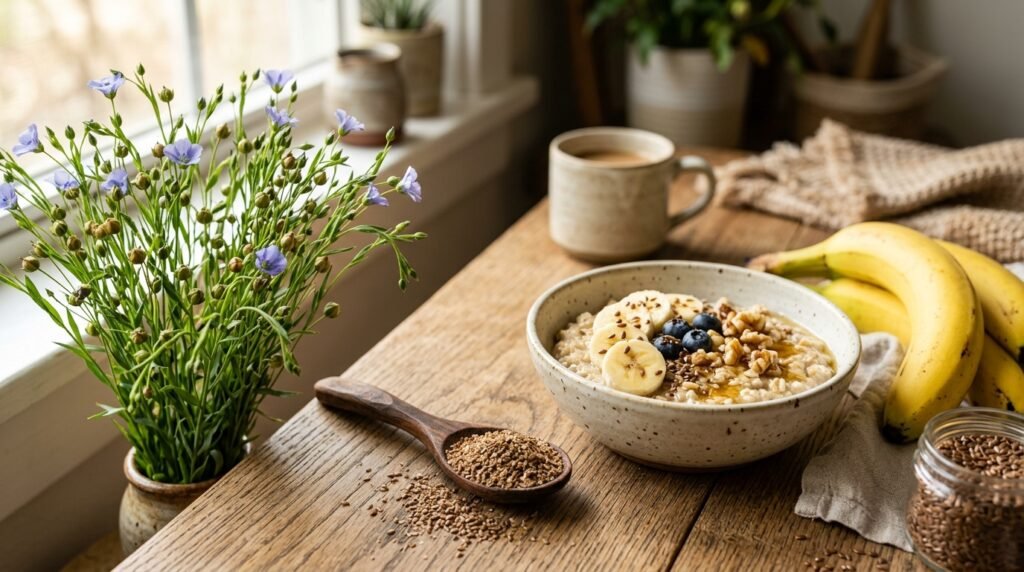
Insoluble and soluble fiber found in ground flaxseeds make it an ingredient almost always suggested for good digestion. Just a spoonful a day might probably be eaten up for good digestion in the mornings.
Arnica

It is also one of the more common applications for a homeopathic arnica gel, using it for bumps or small bruising. Studies show that it may be effective in helping bruises to clear up more rapidly due to its properties of improving blood flow to the skin.