
 Morina Gael
 In the face of overwhelming life, people have to make a decision as to whether they will hit the pavement or hit the yoga mat. Both are amazing for the mind but act through very different biological processes. Recent Frontiers in Psychiatry research indicates that meditation can reduce the nervous system’s agitation, but exercise can burn off surplus cortisol. Knowing such distinctive mechanisms might enable you to pick your tool based on your mood.
Lowering the Body’s Stress Hormones

Frequent exercise may help the body to better manage cortisol and adrenaline in the body. Physical activity can provide a place for these “fight or flight” hormones to be channeled, thus lowering body tension.
Shifting Focus Through Movement

To enjoy a sport or to take a brisk walk, one has to put a certain focus outside oneself. This distracting action can help interrupt the cycle of thinking more than the inward concentration that is essential during meditation.
Increasing Brain Growth Factors

Exercise increases the amount of BDNF, a protein that helps maintain brain health, according to research published in The Journal of Physiology. May permit the brain to heal from prolonged stress.
Improving Sleep Quality Naturally

Physical fatigue tends to promote sleep in deeper cycles. The improvement and elevation of the body may greatly reduce the anxiety of the next day and establish a healthy chain of better health, which will lead to a much calmer and clearer mind.
Harnessing the Power of Stillness
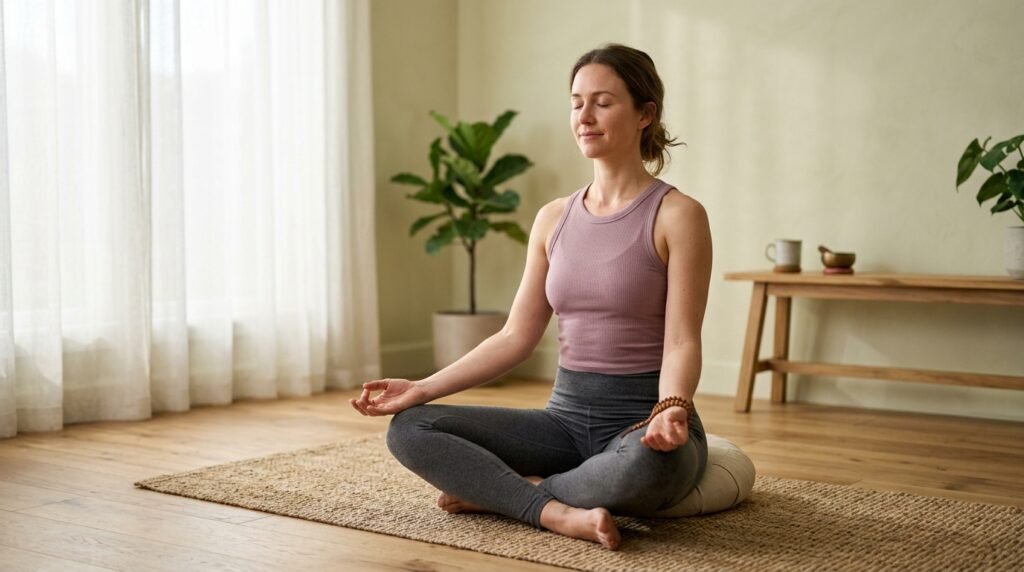
Meditation involves stimulating the parasympathetic nervous system, the body’s “rest and digest” system. This may give a sense of relaxation, which can be deeper than that of physical fatigue.
Changing the Brain’s Gray Matter
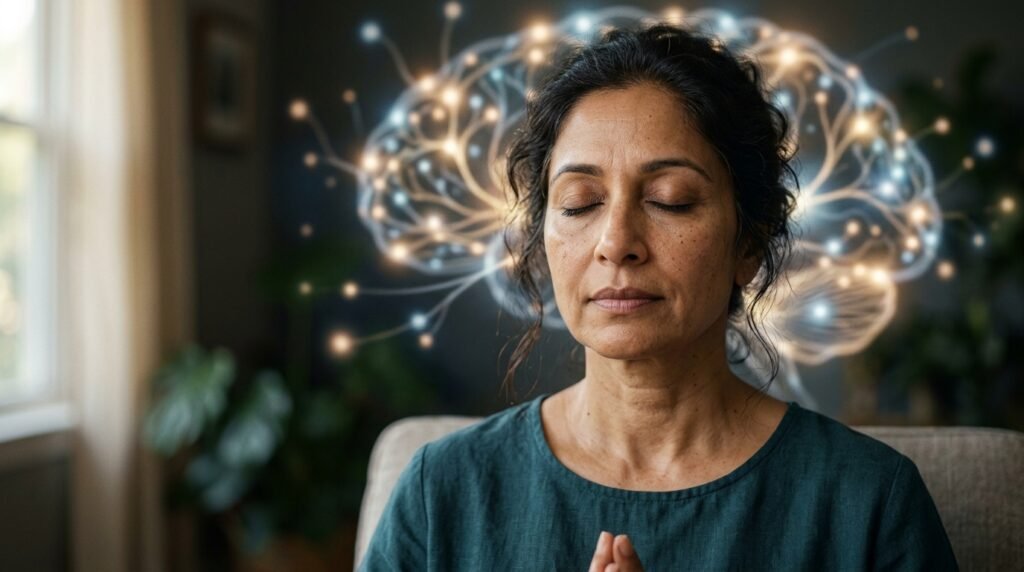
Research at Harvard University indicates that ongoing meditation could actually reduce the size of the amygdala, the brain’s fear center. This physical change may cause there to be a lower threshold for anxiety over time.
Promoting Non-Reactive Awareness

Meditation is the training of the mind not to react to thoughts. This mental technique may make you more relaxed during an intense meeting when you can’t really just get up and run.
Regulating the Breath Directly

The meditative breathing that is practiced in meditation can immediately tell the brain that it is safe. Having direct control over the respiratory system can be a very rapid means of stopping panic.
Encouraging Muscle Relaxation
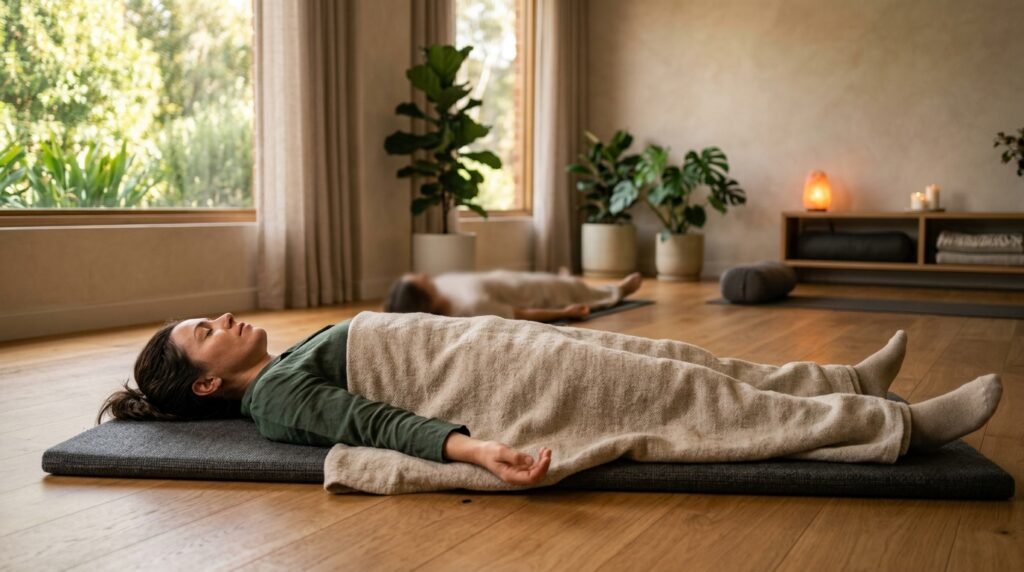
Meditation tends to involve progressive muscle relaxation, whereas exercise involves creating tension to develop strength. It can trigger the mind to relax if the body lets go of the “armor” that may be stored in the shoulders or jaw.
Choosing the Best Tool

Depending on the situation, moving your body may lift a “fog,” and sitting down may heal a “burn.” Both ways have a scientific basis for a peaceful life, each in its own way.