 Morina Gael
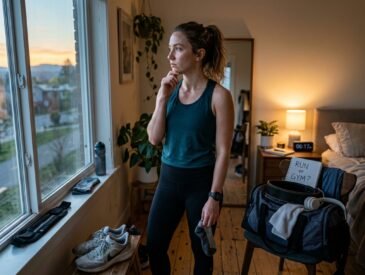
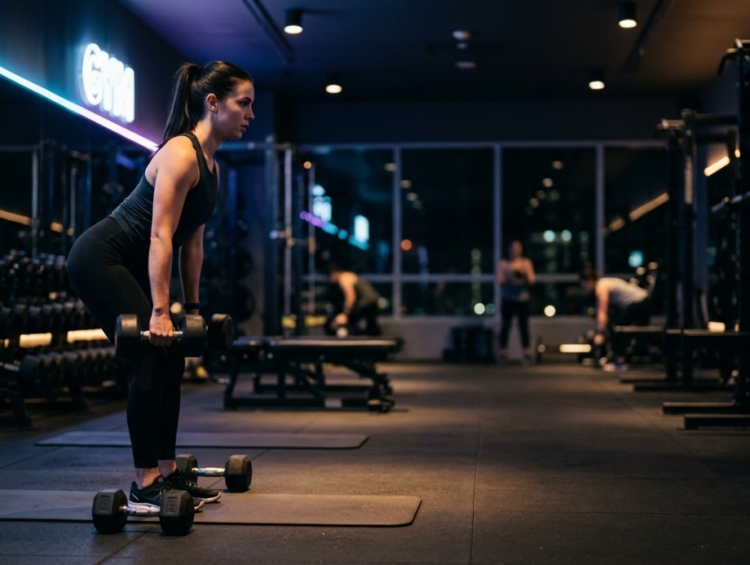
 Late-night exercise has had a tarnished reputation for a long time, similar to enjoying a second dessert after dinner. However, more recent studies make the situation interesting. Research cited by the Sleep Foundation and the National Institutes of Health indicates that exercise in the evening isn’t a bad thing for everyone. With packed schedules filling up people’s day-to-day lives, an increasing number of Americans are trying to fit in fitness sessions during the night and are asking themselves if the previous adages are still fully in effect.
Evening Energy Feels Different
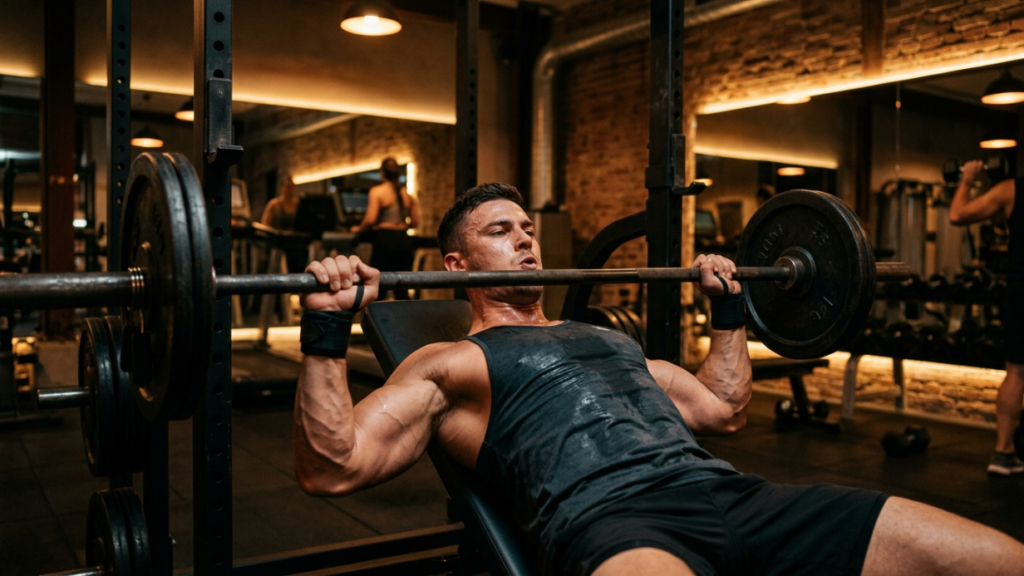
A lot of people report that they are physically stronger in the evening. Exercise research indicates that for some people, their body temperature and muscle function could naturally be at their peak in the evening.
Sleep Timing Still Matters
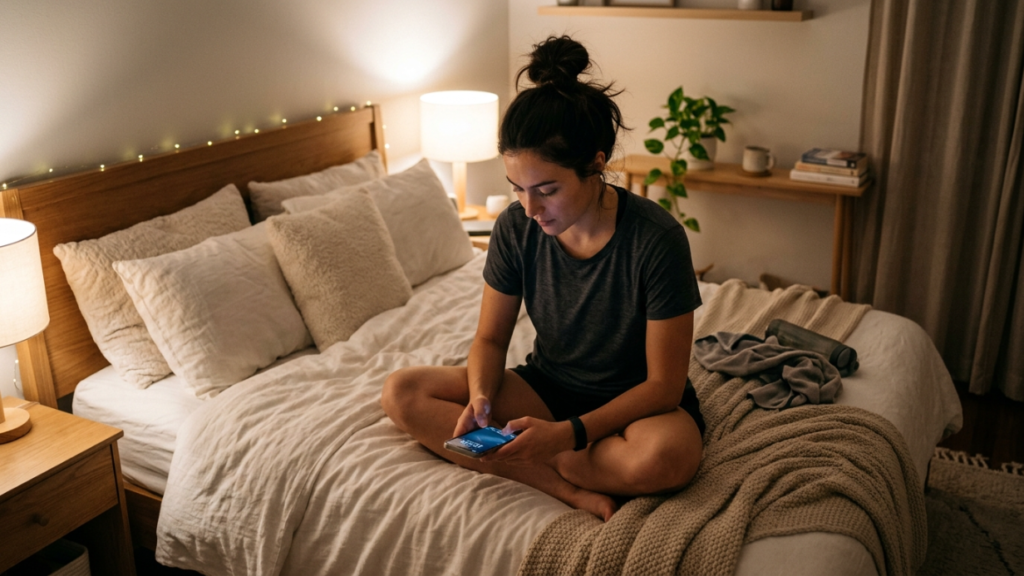
The effects of late exercise on individuals will vary based on exercise intensity and sleep environment. Some sleepers might find that they have trouble sleeping if they are active too near to bedtime, per the Sleep Foundation.
Your Body Clock Plays a Role
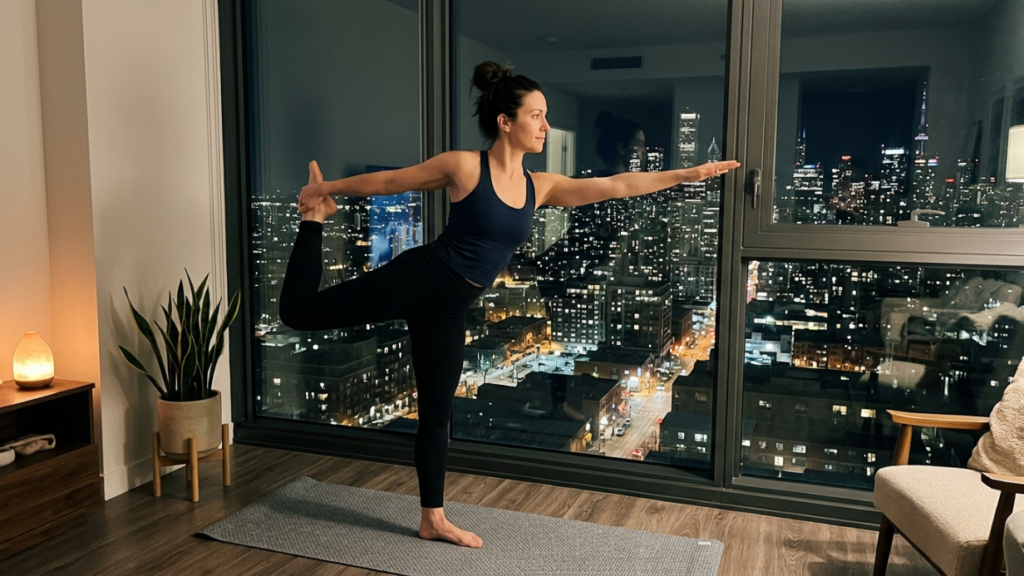
Circadian rhythms affect energy patterns, alertness, and recovery patterns during the day. Others simply work better in the late hours, and that could be why late-night workouts appear to go more easily for them.
Heavy Cardio Can Feel Stimulating
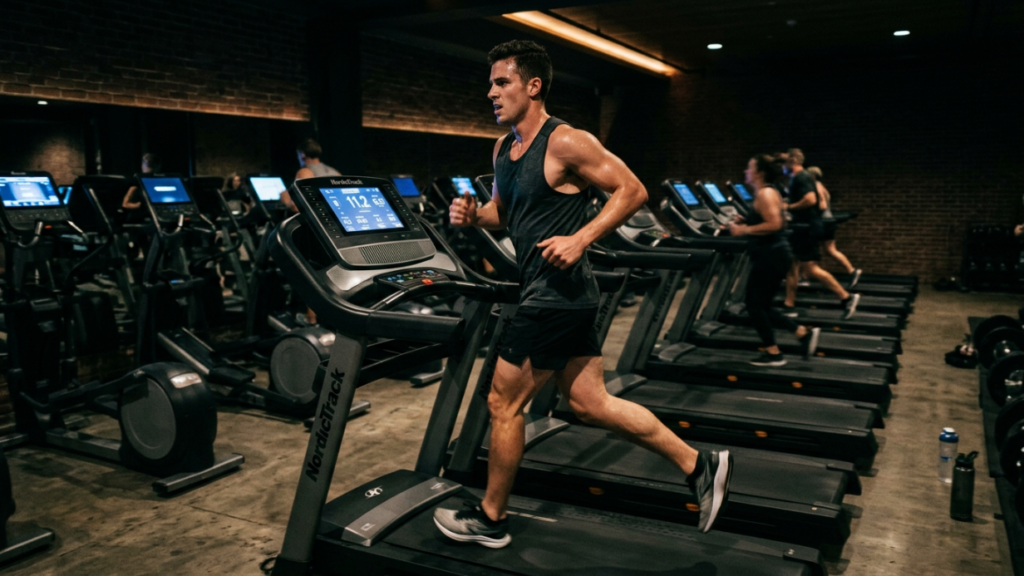
High-intensity evening exercise can leave people feeling more energized than sleepy. It is still being investigated whether the high heart rate and adrenaline levels affect the sleep onset process in the short term, following sleep.
Strength Training Often Fits Busy Schedules
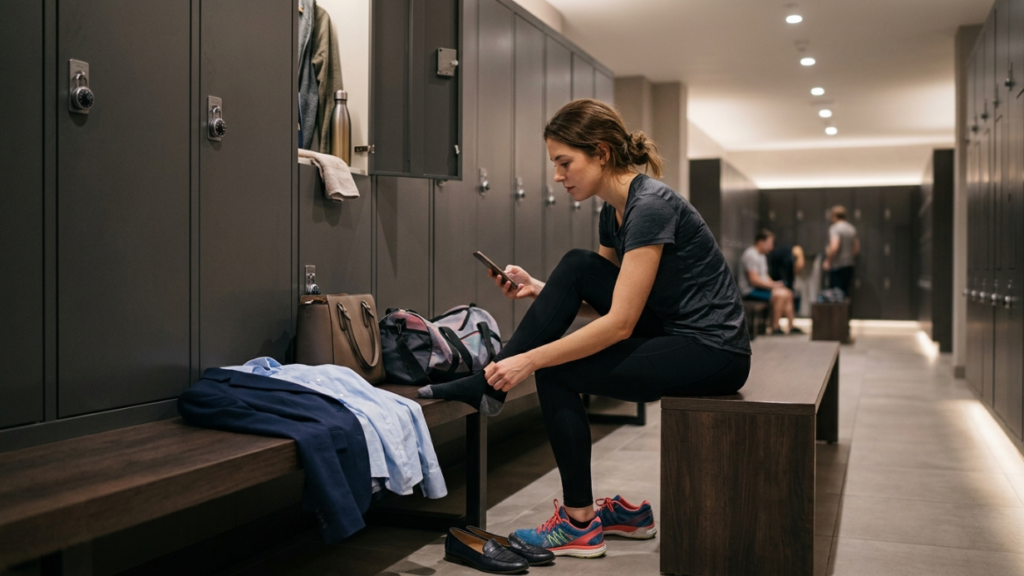
In fact, night exercise is becoming increasingly popular among parents who have busy schedules and workers who have to work late. Evening fitness classes can just be the best window in the day for regular physical activity.
Consistency Usually Matters More

The health professionals generally recommend that regular exercise be more important than the “ideal” exercise hour. While a consistent “ideal” schedule might be best for the short term, a sustainable routine may be of greater benefit in the long term.
Screen Time Might Be the Bigger Problem
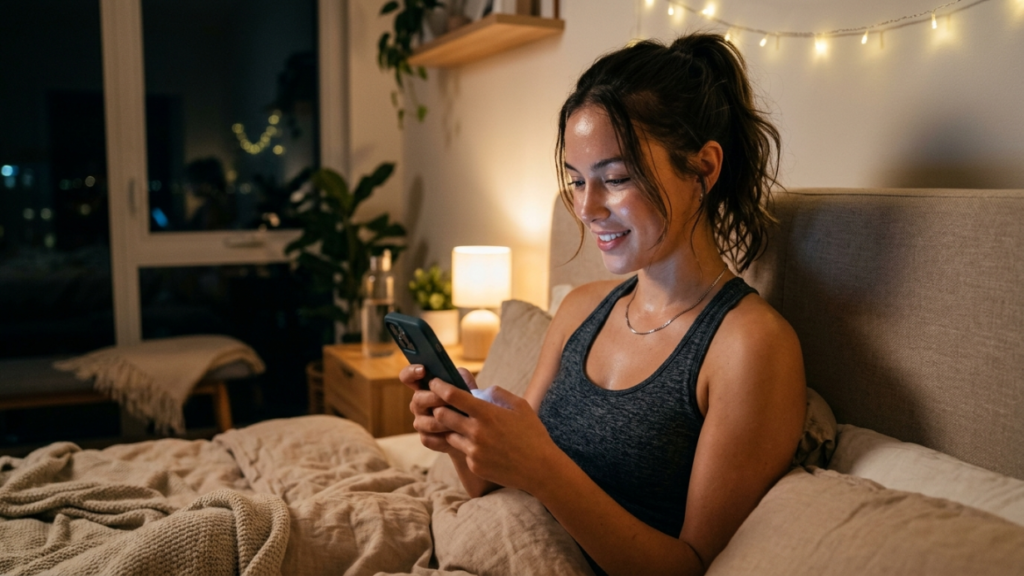
Some sleep experts believe that the light of a phone or laptop screen before bed can have a greater impact on sleep than even moderate physical activity, especially due to the impact of blue light on melatonin levels.
Caffeine Choices Can Affect Sleep
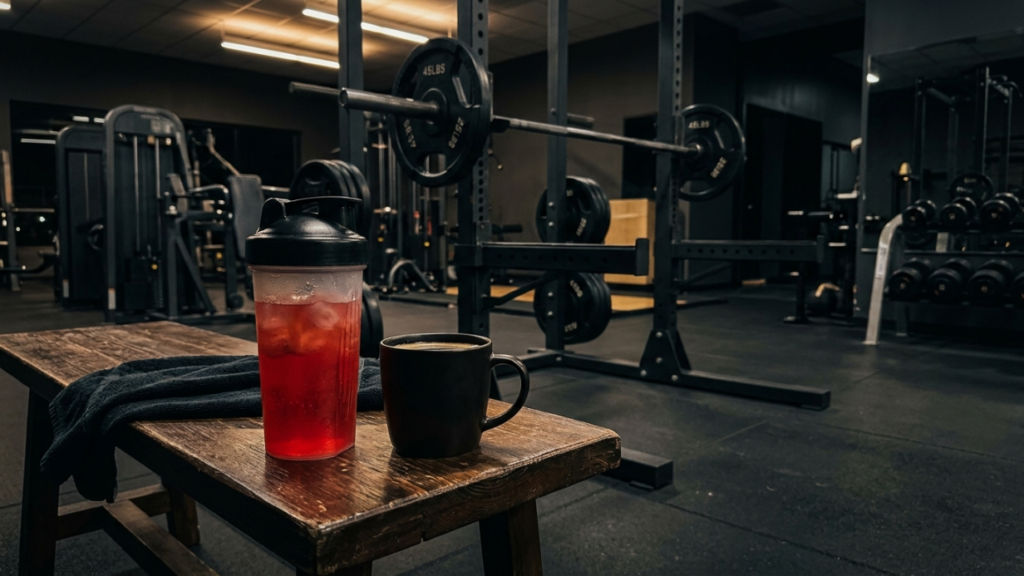
Some may find that taking a pre-workout supplement or coffee before going to bed can make it difficult to fall asleep. The sleeping experts regularly advise on the timing of stimulants.
Weekend Schedules Change Everything
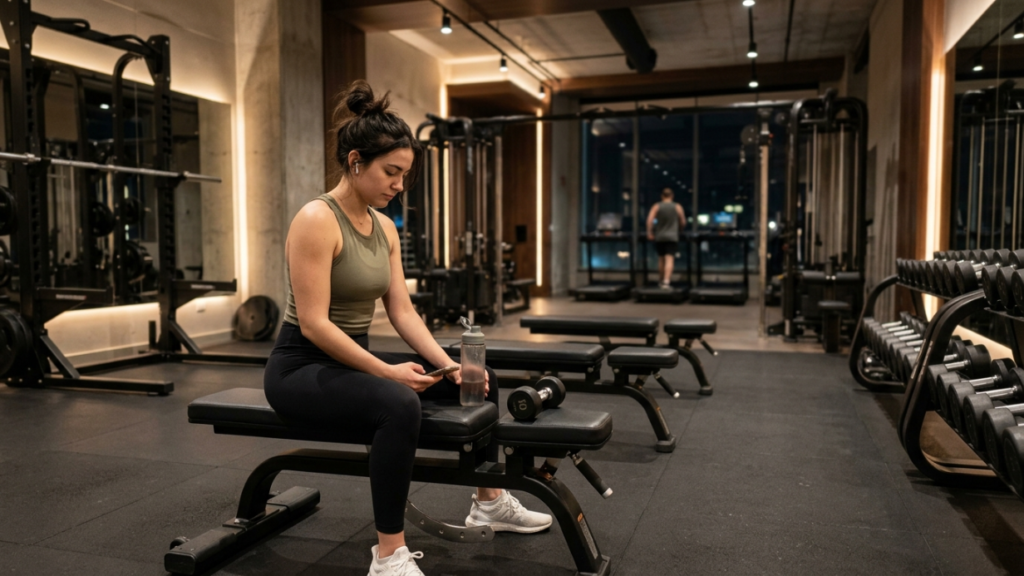
It can be easier to exercise at night on weekends when you have more time to get up in the morning. Evenings on a weekday can be tougher with the early morning calls that still need to be made.
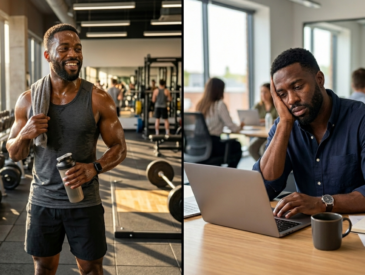
Personal Preference Counts Too
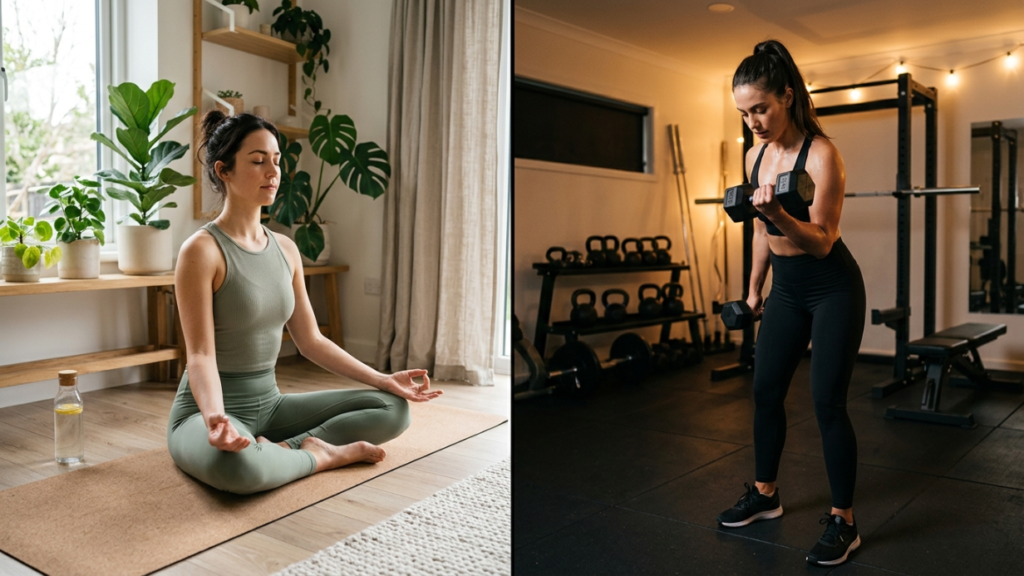
Nobody may ever have the ideal workout time. Many people actually feel focused when they wake up at sunrise, and some feel it as much as a few hours after dinner.