 Morina Gael
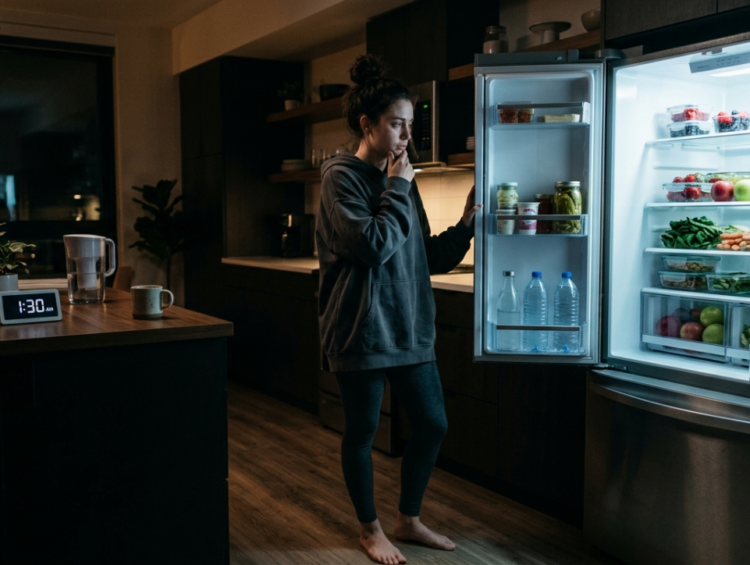
 For most Americans, late-night trips to the refrigerator are a regular occurrence, but perhaps it’s time to implement an internal clock for us. According to a new study from Cell Metabolism, eating at more natural times can be beneficial for our metabolism. It’s a guessing game finding the right balance between a meal well enjoyed and bedtime. Fortunately, the new science of chronobiology provides some informative hints about the benefits of timing our final meal; it just might finally provide the rest and vigor we are seeking.
Consider the Three-Hour Rule
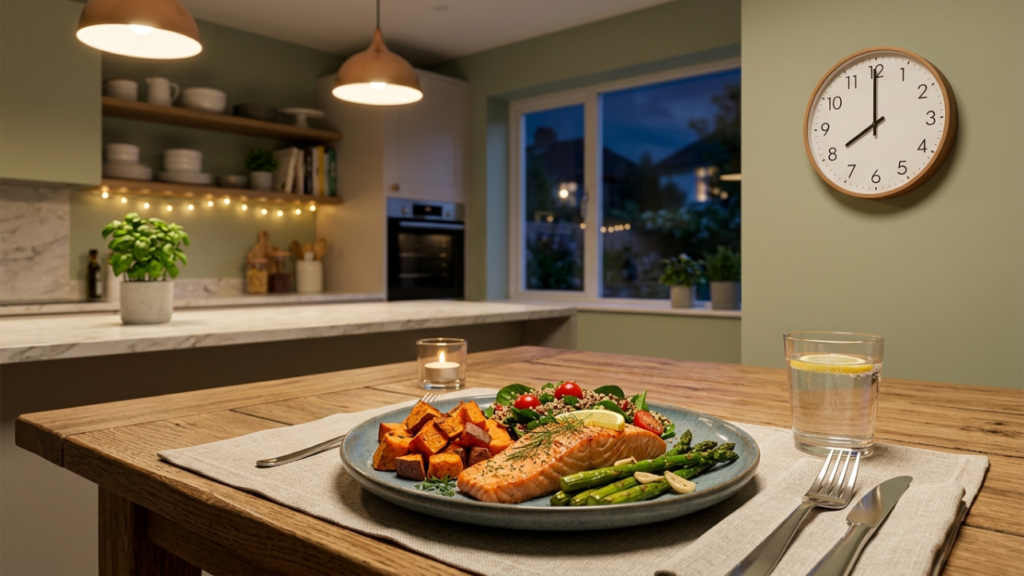
Eating 3 hours before bedtime may be the best way to get a better night’s sleep. Study results published in the Journal of Clinical Sleep Medicine suggest this period could substantially decrease the problem of indigestion and sleep disturbances during the night.
Respect Your Internal Circadian Rhythms

Your body works differently when it comes to digesting nutrients during the night. Late-night eating could potentially interfere with peripheral circadian clocks, which could disrupt normal blood sugar regulation, according to the Endocrine Reviews.
Cool Down Your Internal Body Temperature

Digestion causes endothermogenic physicochemical reactions. According to the American Journal of Clinical Nutrition, late dinners could disrupt the natural cooling-down effect that is essential for initiating deep sleep.
Manage Midnight Acid Reflux Risk

Full bellies can cause discomfort when lying down. An increased time interval between dinner and bedtime can reduce the risk of nighttime reflux, the American Journal of Gastroenterology reports.
Understand Late Night Insulin Sensitivity

Insulin is less effective during the evening. Research in diabetes care has found that identical meals had a larger peak glucose response when served at night as compared to during the day.
Evaluate the Evening Metabolic Slowdown
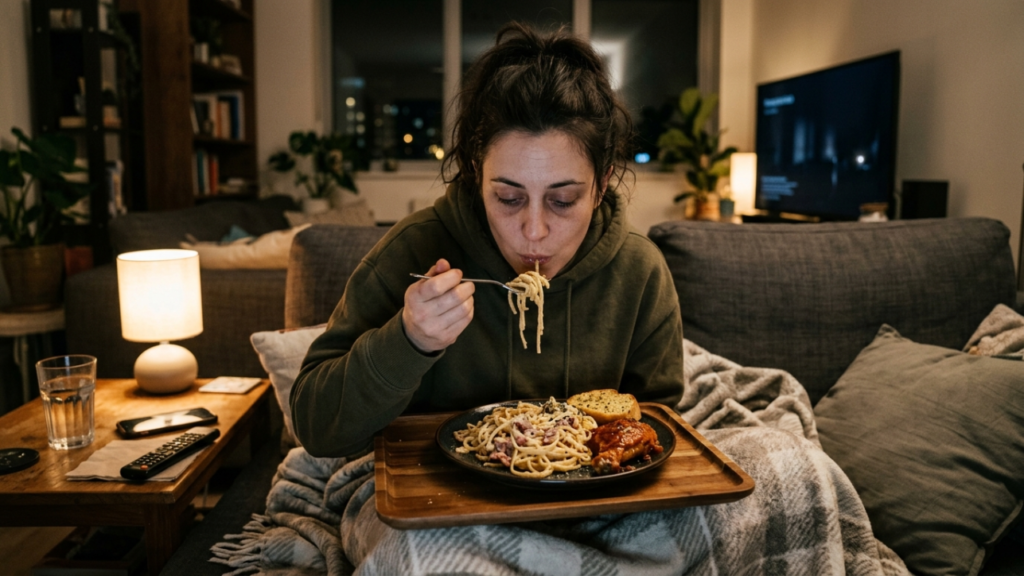
Naturally, metabolism slows down in the evening. Research from Obesity indicates that a high percentage of calories in late eating compared to the daily diet may be associated with reduced weight loss results.
Be Mindful of Sleep Deprivation Cravings

Late meals may result in poor sleep, which can lead to more evening snacks. Not getting the right quantity of sleep could lead to more cravings for sugary, high-calorie foods in the following evenings, according to the Journal of Sleep Research.
Listen to Your Unique Lifestyle Needs

There is no one-to-one correspondence between a house (or a working day) and a time. The constant in meal time could be just as important as the time, according to health experts who wrote about a study in Chronobiology International.
Embrace Gradual Sustainable Routine Shifts

A simple change in the timing of dinner, that’s 30 minutes earlier, can make a difference. The principles of preventive medicine indicate that it’s generally best to make slow and steady changes to discover what works perfectly in your body.