 Morina Gael
 Generations of people all over the United States have turned to nature as a source of comfort, balance and restoration, weaving the knowledge of indigenous people, the wisdom of immigrant people, and local customs into a rich tapestry of healing practices. These methods focus on plants, touching, moving and mindful living instead of complicated interventions and display profound respect toward the natural capacity of the body to heal itself. The knowledge of these roots can provide an idea of the solutions that are applicable to the contemporary wellness discourse even today.
Native Wisdom
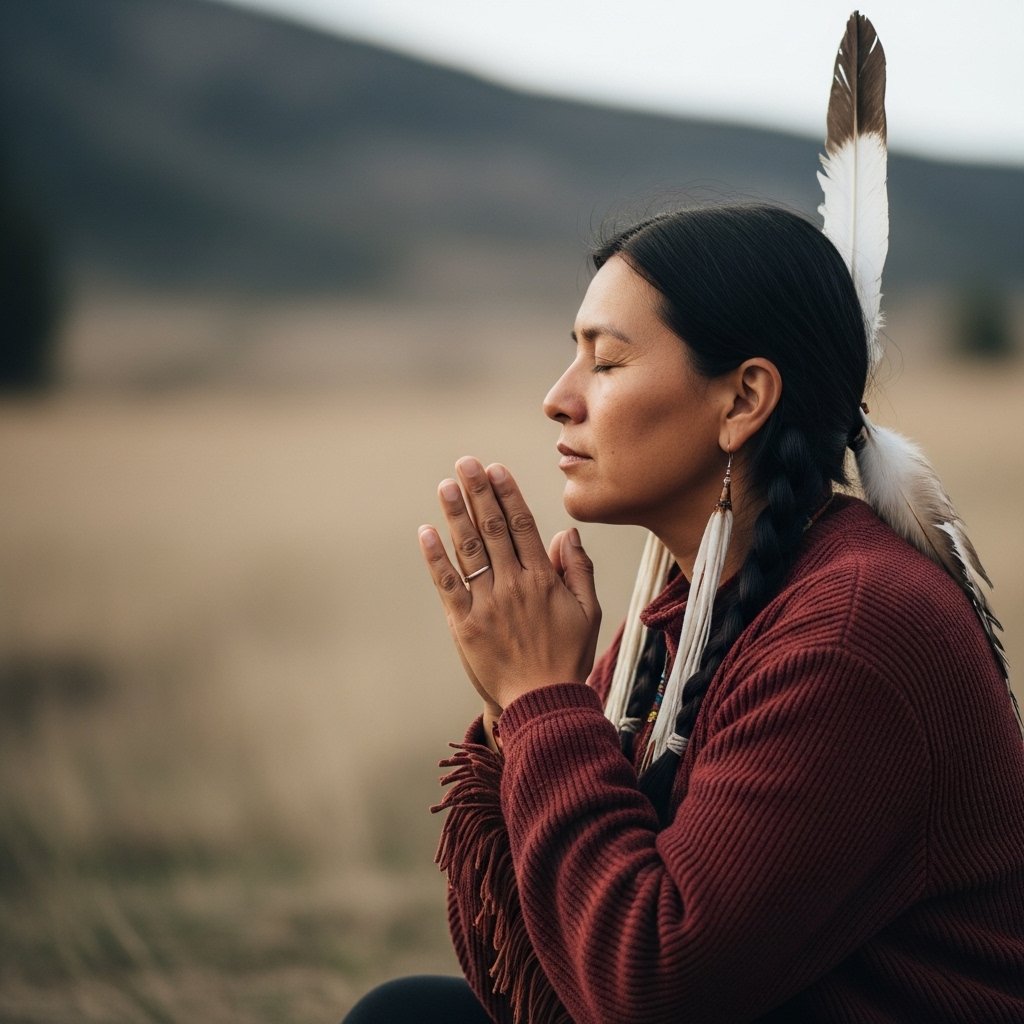
The traditional healing methods created by the Indigenous communities are centered on the unity between people and the nature, as it is known that physical well-being is strictly connected with emotional and spiritual well-being. The cultural aspects of the health care system as understood by the owners of the past five generations include understanding the importance of focus on local plants, the importance of the use of ceremonies and the careful observation of the seasonal changes as part and parcel of health care.
Herbal Knowledge
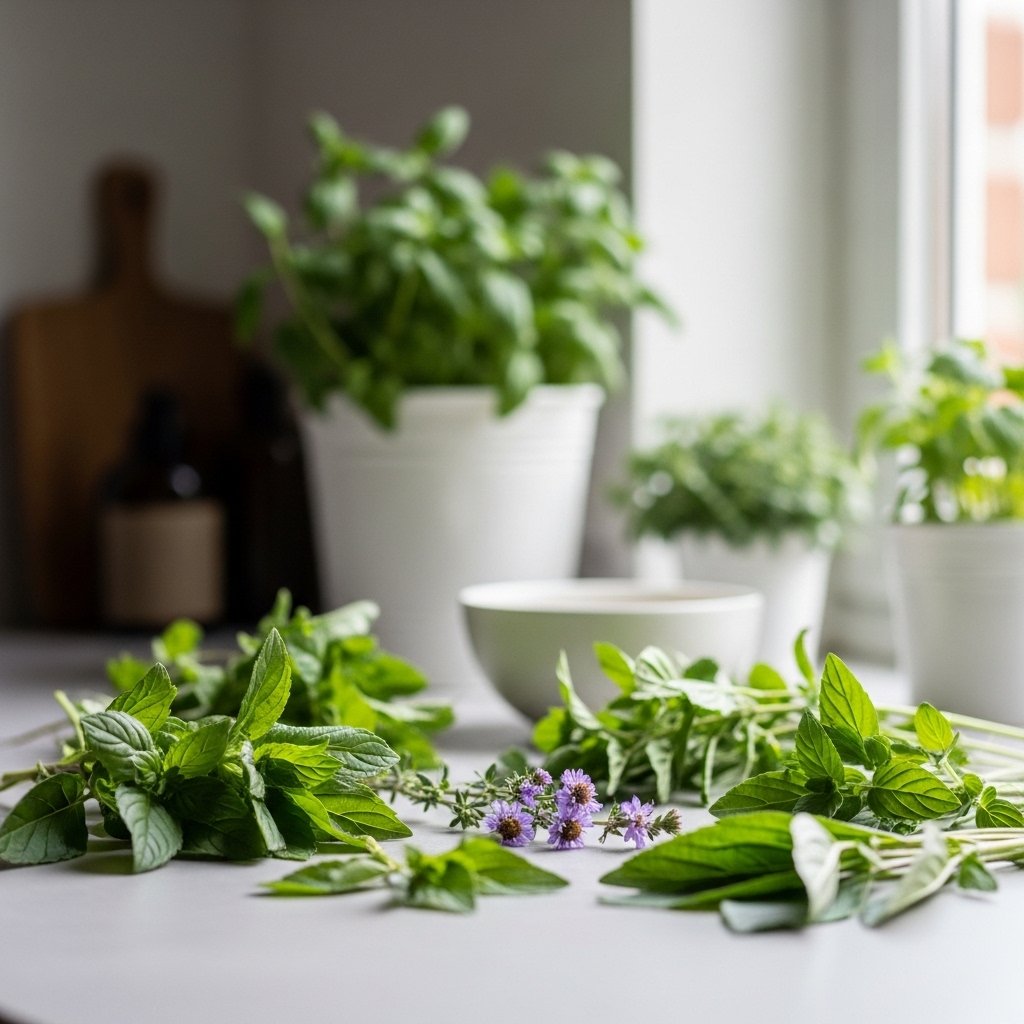
Early plant settlers and immigrant societies brought their own botanical knowledge and a mixture of European herbalism with local plants grown throughout North America developed useful household medicine. This knowledge sharing formed local healing traditions that incorporated comforting herbs to alleviate pain, relaxing plants to alleviate stress and food-rich roots to aid in endurance.
Healing Touch

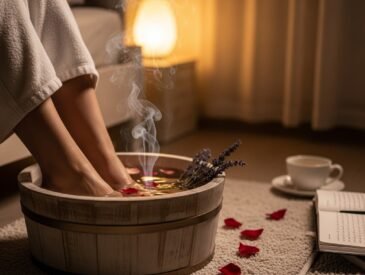
Another element that entered into the American tradition of natural care was hands on therapies, including the use of massage, body positioning methods, and soft tissue manipulation with an aim of enhancing blood circulation and alleviating tension in the body. These approaches tended to focus on being more attentive to the body cues and advised people to look at the trends in strain and recovery as time goes by.
Plant Medicines
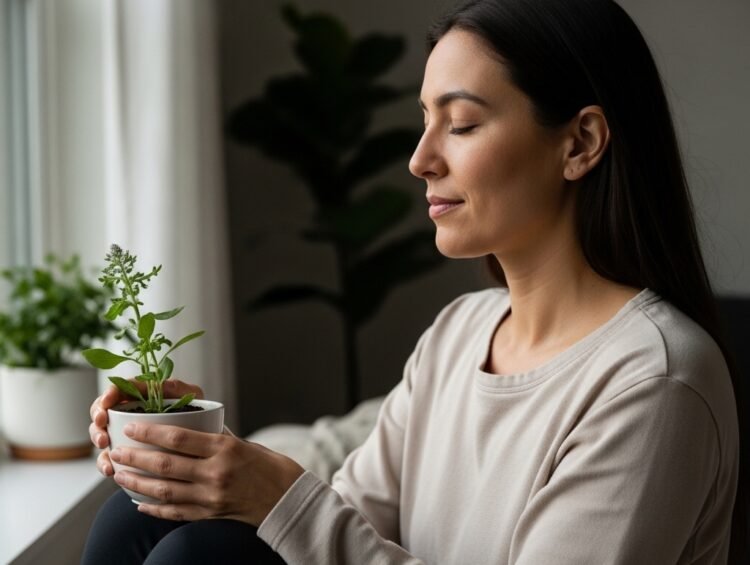
The use of medicinal plants has been regarded over time as natural products with compounds that help the body in the process of recovering and boosting its defenses in case of their responsible use. The communities discovered by trial and error what leaves, bark, seeds, and roots would help alleviate pain, help people sleep, or support the body in changing with the season.
Seasonal Living

Nature Nurture is a common traditional practice that recommends associating the routine with the days of the week and season because the energy level, immune system, and mood may vary with the weather and light cycles. Making activity, nourishment, and rest adjustable based on the time of the year is a clue to the realization that health is not a static entity.
Community Care

Traditions of healing frequently flourished on a family and neighborhood level, with mutual knowledge exchange forming supportive systems that had an impact that was not confined to individual care. The elders, caregivers and community practitioners were significant in imparting preventive habits as it contributes to the reinforcement of the notion that collective well being enhances individual well being.
Mind and Body

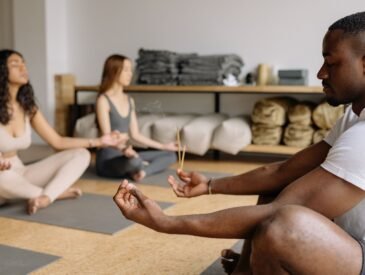
The relationship between the emotional state and physical state has always been recognized in natural healing in America, as calming techniques like breathing exercises or reflection and gentle movement were promoted. These methods are used to alleviate inner stress reactions thus the body is able to work better and heal better.
Modern Revival

The topic of natural wellness has become highly popular as individuals are finding reasons to pursue balanced solutions that can be added to modern healthcare methods, which resulted in a resurgence of interest in traditional knowledge. Scientific study is still going on to understand the properties of plants and the way of life that was mostly regarded as a traditional one and introduce the historical knowledge to the evidences based knowledge.