 Morina Gael
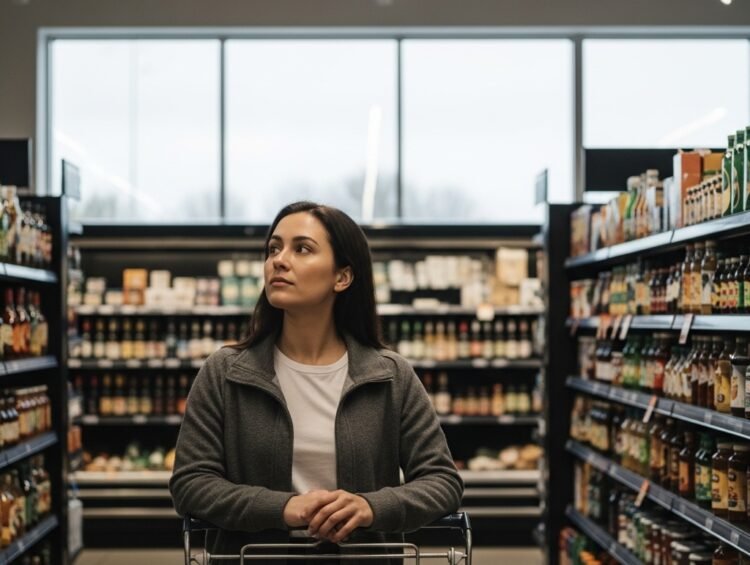
 Going to a grocery store without a strategy may seem liberating, but it can easily show some common trends that most customers keep to themselves. The absence of a list as a guiding factor results in a focus on convenience, cravings, and what you see, hence, developing habits, which add to what is ultimately added to the cart. Assuming you can find yourself drifting along the aisles as a curious and unorganized person rather than as an organized and tidy one, such relatable traits can be as familiar to you in any real-life shopping experience.
Impulse Picks
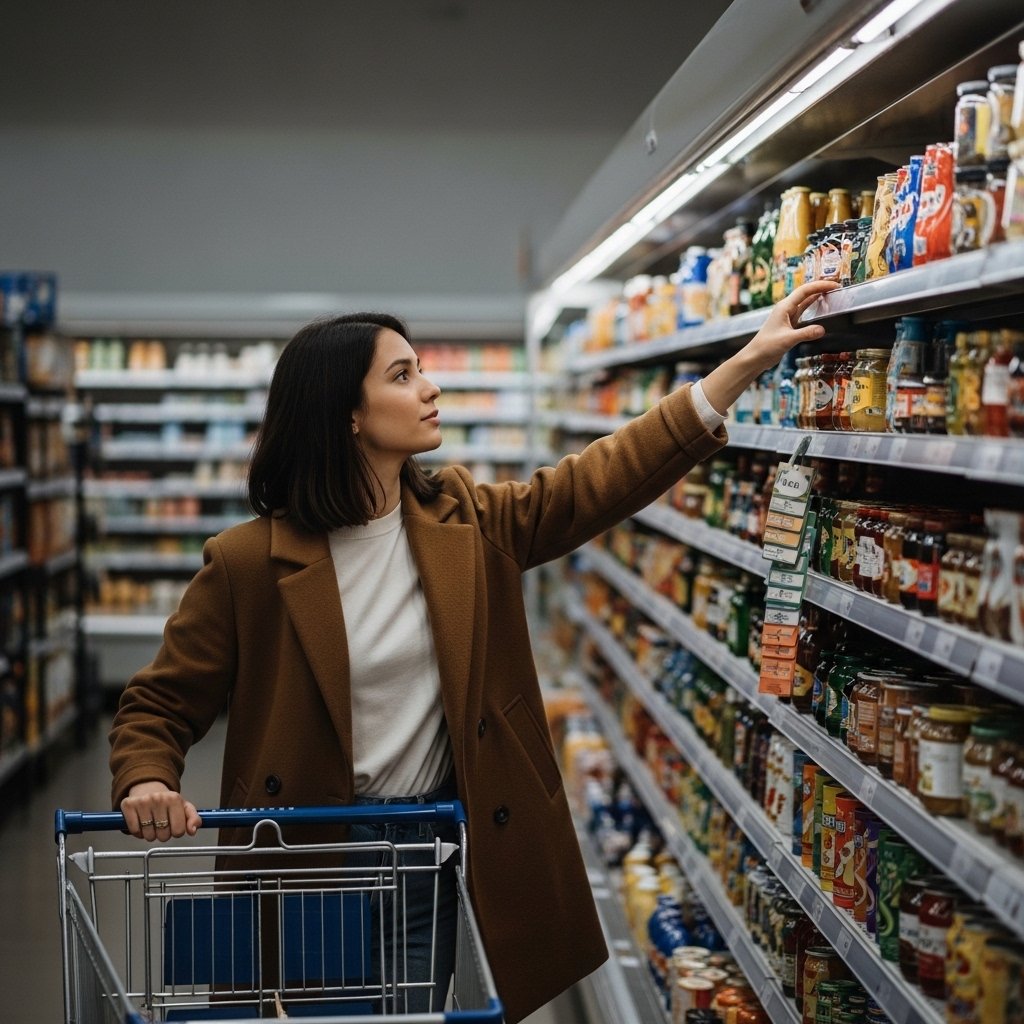
Unplanned shoppers tend to be influenced by immediate impression, i.e. colorful wrappings, main displays and promotion signs might easily influence spontaneously. This impulsive method may be quite fun initially, but it often results in buying things which you did not really want as soon as you get home.
Forgotten Staples

It is astonishing that without a reminder of necessary things, it becomes easy to forget about the usual things which are, in fact, needed during the regular meals or home expenditures. This is usually discovered after the fact and it causes frustration and even the need to make another visit that might have been avoided with some few preparations.
Aisle Wandering
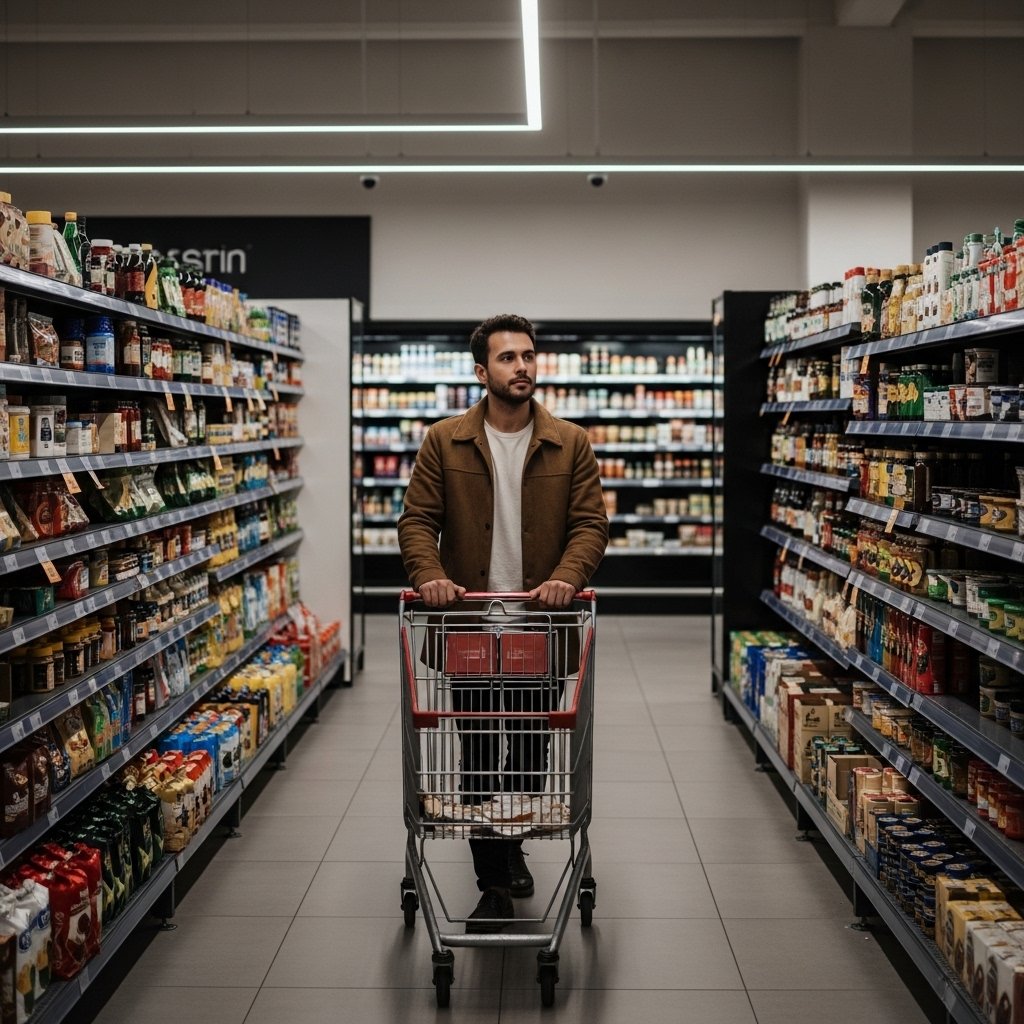
Uncontrolled shopping will promote lethargic pace in shopping by browsing through different shopping areas, even those that you do not initially plan on purchasing because of the curiosity. Although this can help the experience to be relaxed, it also exposes the consumer to products that attract impulse buying.
Visual Decisions
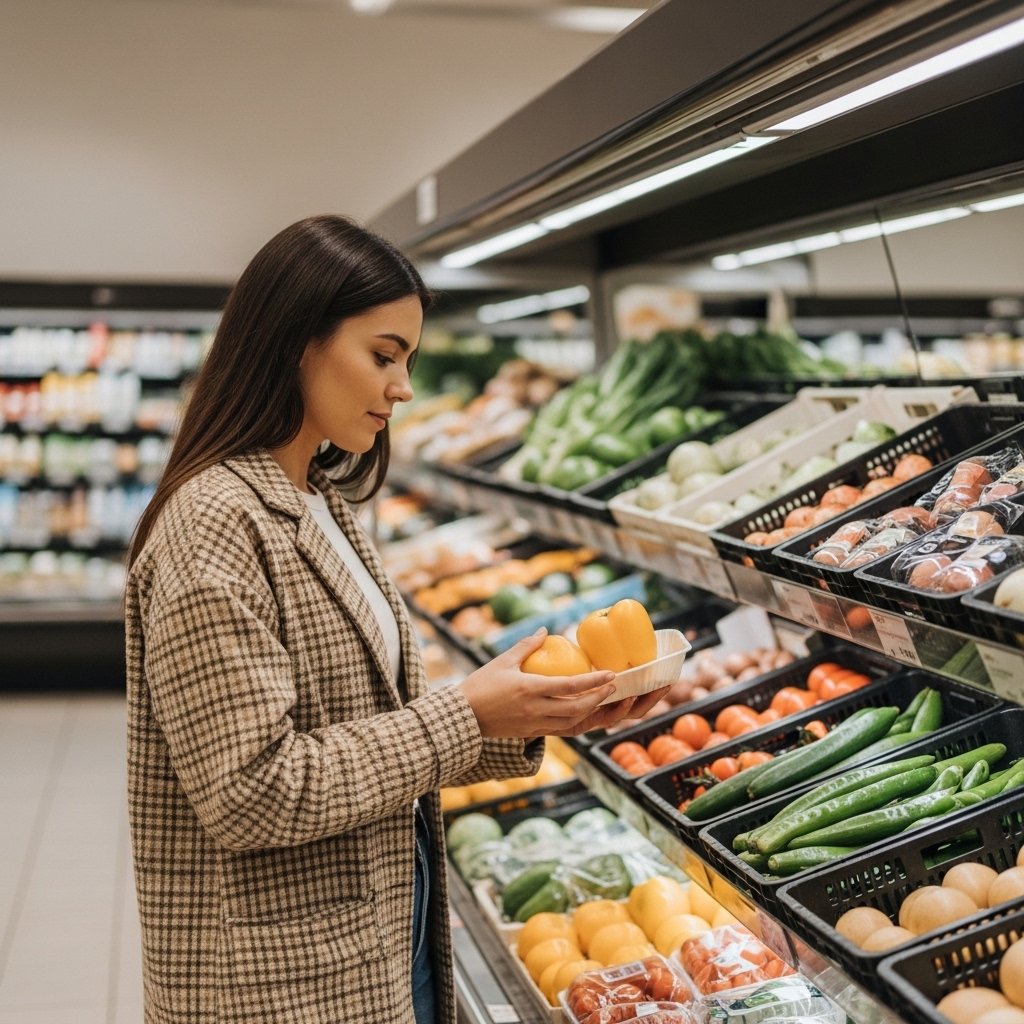
With planning substituted by memory, the decisions taken usually reflect the items that appear attractive as opposed to the items that satisfy the nutritional requirements, financial objectives, or cooking concepts. Bright stands, recognizable brands, pretty displays also tend to follow the eye and make choices rather than be dictated by reason.
Duplicate Buying
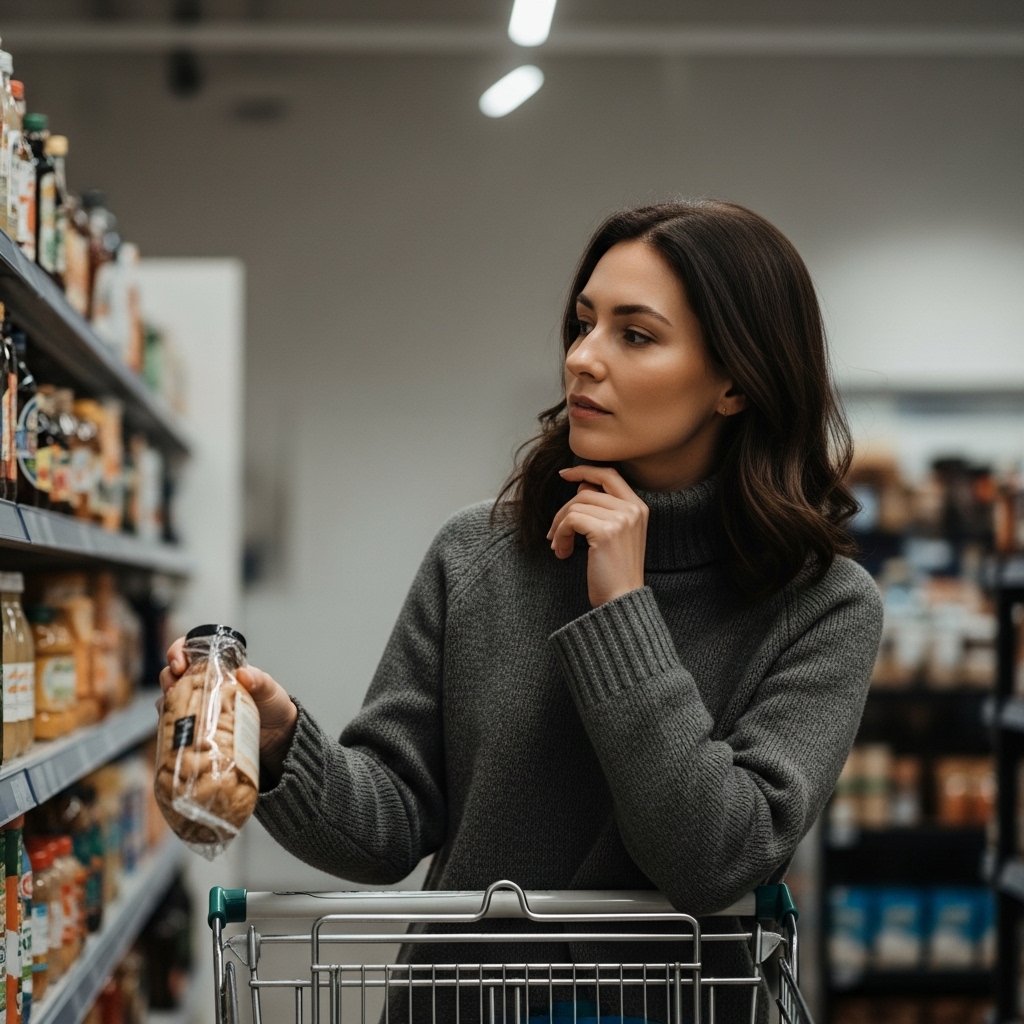
Online shopping, without any pre-check on what is already available at home, one can be tempted to believe that something is missing and put it in the cart so as not to be disappointed. This practice may cause the cabinets or fridges to become over-stocked, and therefore wasteful and unnecessarily costly in the long run.
Hunger Influence
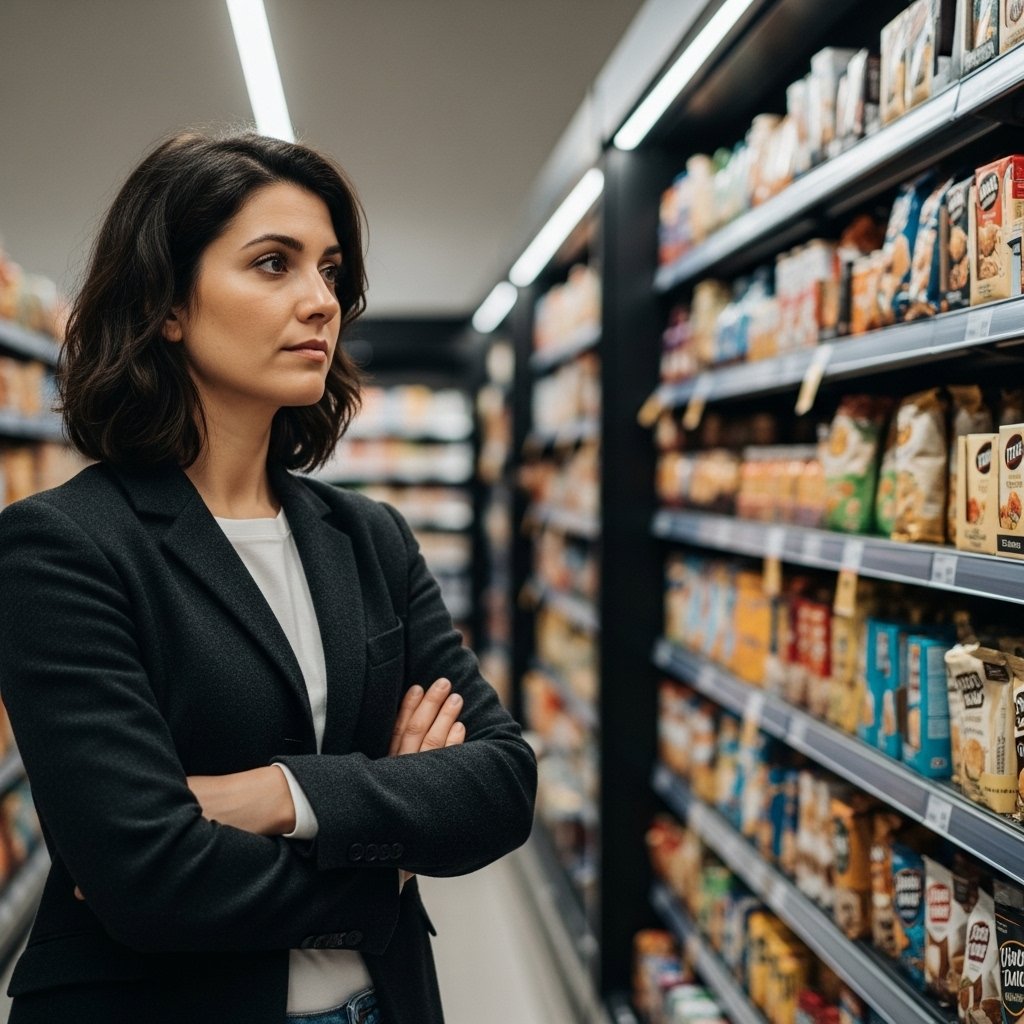
Shopping when hungry is likely to increase your cravings such that foods with lots of calories or convenience foods are going to look more attractive than it would otherwise. Studies always indicate that appetite may change the purchasing behavior hence the reason why carts appear to be different when people go to shop before the meal time as compared to after eating.
Checkout Temptations
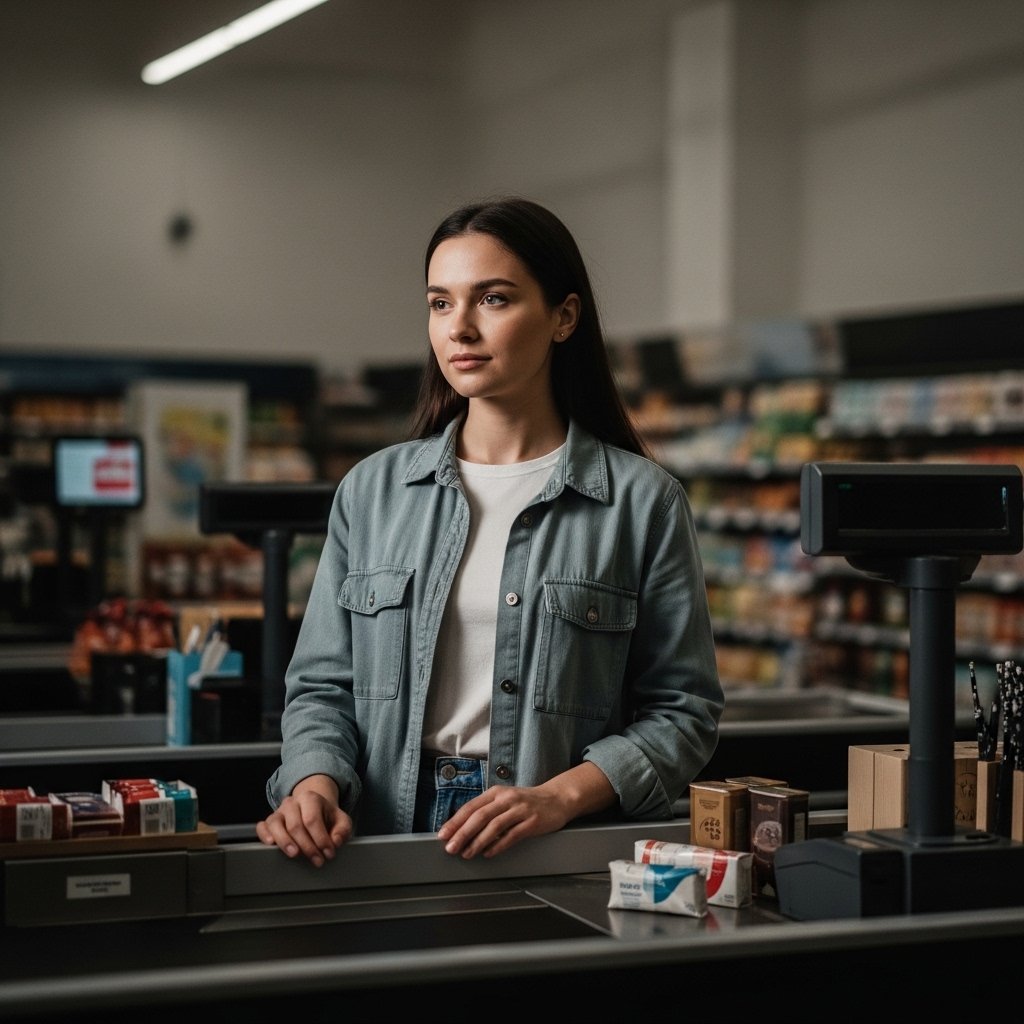
The waiting space at the checkout counters will be constructed in a manner that attracts attention with small and attractive objects that do not take much consideration to expand them. Having no list or budget to help make those additions makes it harder to resist such last minute changes, particularly when one has already made such commitments.
Budget Surprises
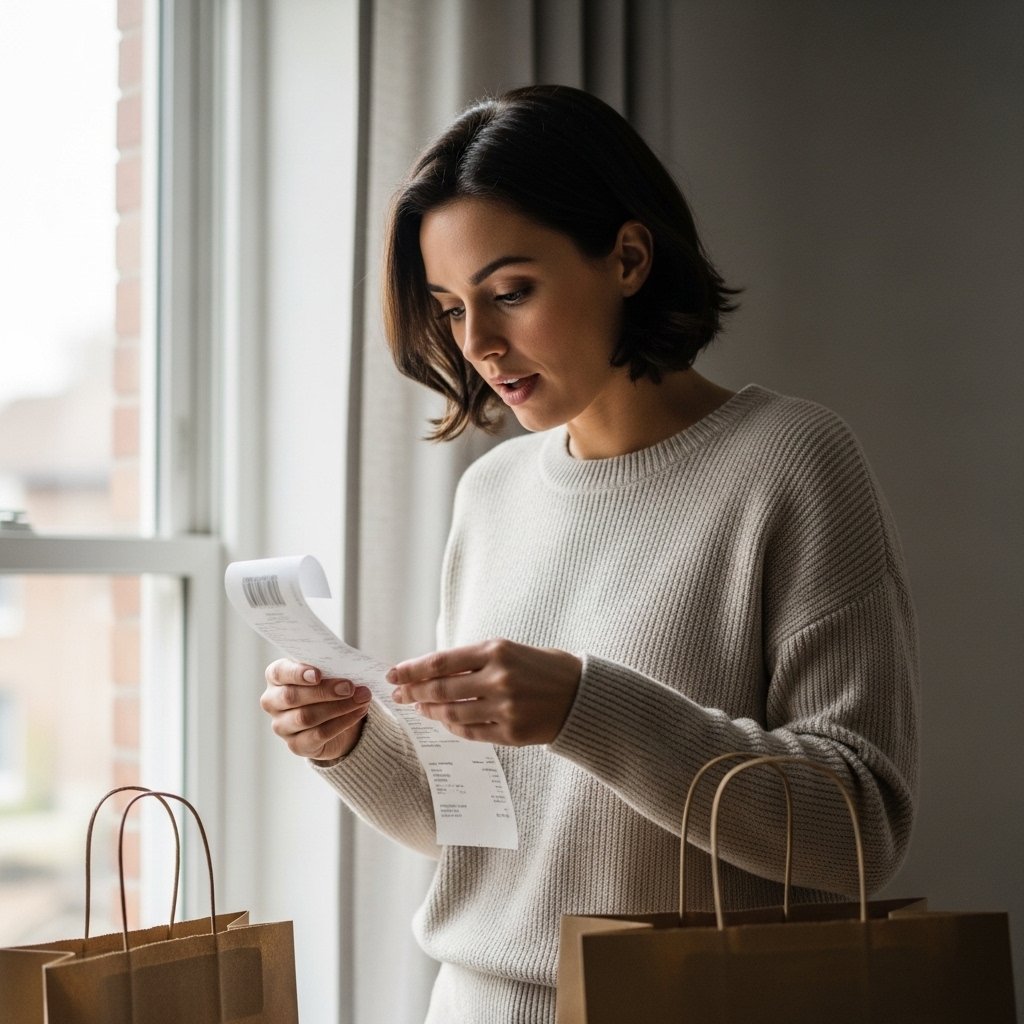
Unplanned, the totals usually tend to be higher than expected due to little decisions that are made on the fly. Most shoppers do not notice the trend until they look at the receipts later and discover that convenience and impulse slowly determined the ultimate price.