
 Morina Gael
 It might seem daunting to begin strength training after the age of 50, yet it is one of the most efficient methods that help to maintain mobility, independence, and health in the long run. By doing it the right way, beginners can gain muscle, keep joints safe and enhance energy levels without excessive exercises and fancy things. Empowerment also happens by having realistic expectations based on our knowledge of how the body changes with age and will bring about a gradual change that is empowering and sustainable with time.
Medical Clearance

Always consult a healthcare person before embarking on any new exercise program since they may provide advice on whether your current conditions, medications, or previous injuries should be factored by your training program. This move will give you the assurance and security to proceed with the exercises that are at the same level of your health conditions and physical abilities.
Proper Form

Correct technique at the outset will ensure that there is no strain to the joints or muscles and the most benefits are realized out of each movement that is executed. Develop coordination, balance, and stability in your body by concentrating on your controlled motions and not heavy resistance that will make your body develop and ultimately be a success in the long term.
Light Weights

It helps your muscles and connective tissues to adjust over time to lower the chances of soreness or damage which may frustrate you into quitting. With the increase in strength, one can add minor resistance each time, which can aid you in gaining confidence, keeping the right patterns of movements.
Slow Progress

Strength training gains around 50 years tend to be more slow moving, although slow progress can be maintained long-lasting when patience is a priority. Giving your body time to rest between sessions can assist in muscle recuperation, joint maintenance and general stamina devoid of undue fatigue.
Joint Support
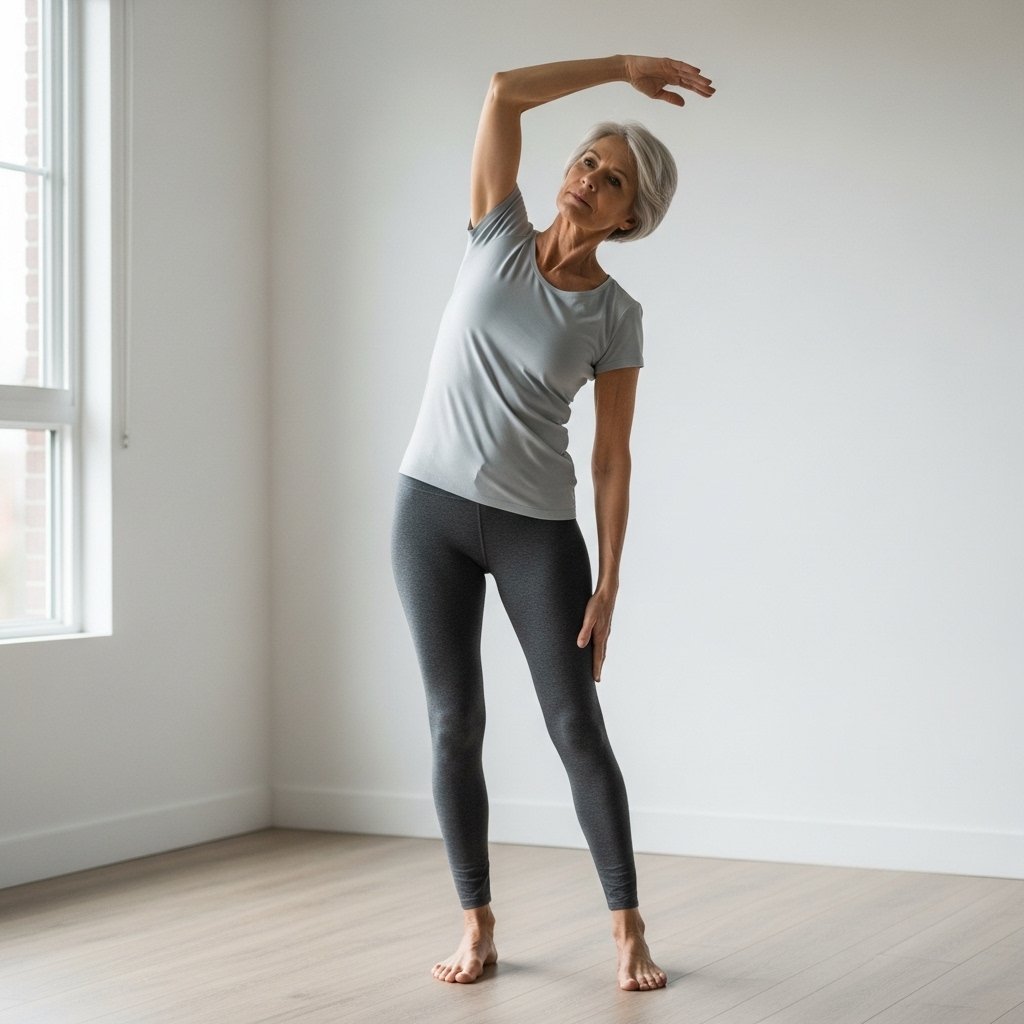
Strengthening exercises of the muscles of large joints, including the knees, hips, and shoulders, can greatly enhance stability and improve discomfort when a person is performing their daily activities. Listening to alignment and not making any spontaneous and abrupt movements can protect sensitive parts and still provide effective results.
Core Focus

Training the core muscles will aid in posture, balance and spinal health that is more required with age to avoid falls and have independence. Motions and activities involving core works need to be gentle and regular and enhance coordination and less stress in the lower back.
Recovery Time

Without proper rest in between training, muscles cannot recover and become stronger, and therefore the rest is as essential as the workout. Sleeping well, being hydrated, and consciously moving on a rest day are the factors that improve performance and alleviate soreness in the long run.
Consistent Routine

Creating a manageable time timetable comfortably integrated into your life helps in enhancing the chances of strength training being a life long habit. Regularity, despite a reduction in sessions, yields significant gains in strength, mobility and confidence that lead to healthy aging in the long term.