
 Morina Gael
 Inflammatory process is normal defense of the body, but when it is chronic it may add to discomfort and long term health issues. Emerging evidence indicates that some common foods, day-to-day personal habits, and plant substances can be used to reduce the inflammatory response with minimal severe side effects. Knowledge of what science has indeed proven aids individuals in selecting feasible, evidence based solutions that do fit into everyday life and promote overall well being towards long-term outcomes and strength.
Turmeric Benefits

The most active ingredient in turmeric, curcumin, has received extensive research in its capacity to intervene in the processes of inflammatory reactions by lowering the activity of substances that provoke inflammation and swelling in the organism. Depending on its absorption properties with black pepper extract, turmeric supplementation or as a dietary component has researchers proposing that the compound can support over time the comfort of the joints and overall inflammatory balance.
Ginger Effects

Gingerals have bioactive compounds gingerols and shogaols which have shown anti inflammatory and antioxidant effects in laboratory and clinical studies. Frequent use in the form of fresh root, powder or tea form has been linked to less muscle pain and enhanced comfort levels in patients with inflammatory disorders.
Omega Support

Omega three fatty acids which are present in fatty fish, walnuts and flaxseeds are also involved in the production of compounds that actively resolve inflammation as opposed to merely inhibiting it. Research indicates time and again that proper consumption can aid in maintaining a healthy heart, flexibility in the joints, and normal immune responses especially where highly processed fats are substituted.
Berry Power

The berries like blueberries, strawberries, and raspberries are full of anthocyanins which are plant pigments which have good antioxidant and anti inflammatory properties. According to scientific evidence, it may be beneficial when used frequently to reduce indicators of oxidative stress and promote vascular health and protection of cells.
Green Tea
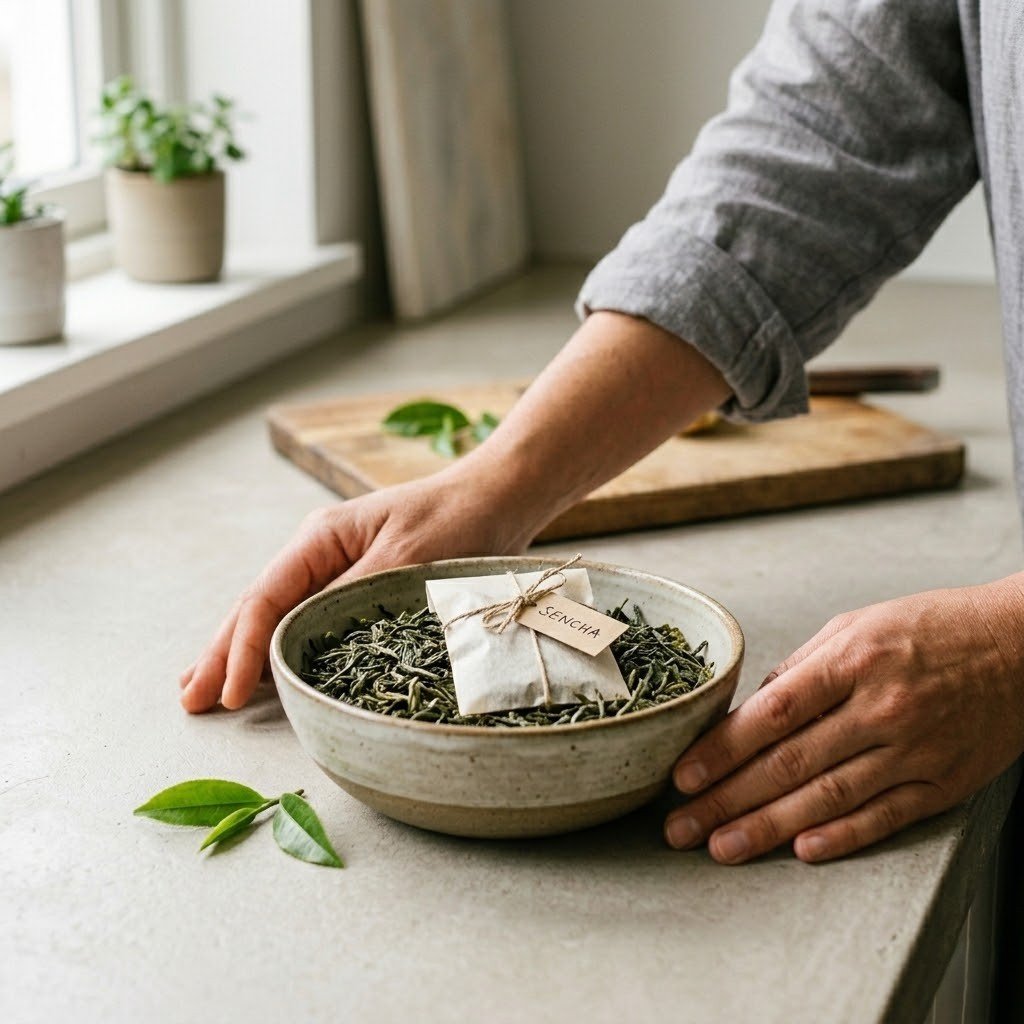
One catechin, epigallocatechin gallate, in green tea has been covered to have a role in inflammatory signaling and metabolic health. The frequent consumption has been associated with small positive effects on the inflammatory markers, as well as other improvements in brain functioning and cardiovascular health.
Sleep Quality

It is highly related with inflammatory activity because the body uses restorative rest to balance the immune and hormonal levels. It has been demonstrated that regular sleep routines and sufficient duration can reduce inflammatory outcomes, which demonstrates the strength of sleep as a natural intervention that is easily disregarded.
Stress Control

Prolonged mental tension causes the hormones to be secreted and may encourage low grade inflammation to be sustained in the entire body. Mindfulness, breathing exercises, and moderate physical activity are some of the techniques that have been shown to have a quantifiable effect of low inflammation biomarkers and enhancing emotional resiliency.
Probiotic Balance

The gut microbiome is a very important part of the immune system and the disregard of the intestinal bacteria has been attributed to increased inflammatory response. Eating foods rich in probiotics and fiber that supports healthy microbes can potentially replace microbial diversity which has been shown to have a positive association with better digestion, immune stability and less systemic inflammation.