
 Morina Gael
 Chocolate is often seen as a quick treat, yet not all chocolate bars are created equal. Many options on store shelves contain hidden ingredients, excessive sugar, or low quality cocoa that reduce both taste and nutritional value. Taking a few seconds to read labels and understand what goes into a chocolate bar can make a noticeable difference. These practical checks help ensure better quality, improved flavor, and a smarter purchase decision.
Check cocoa percentage
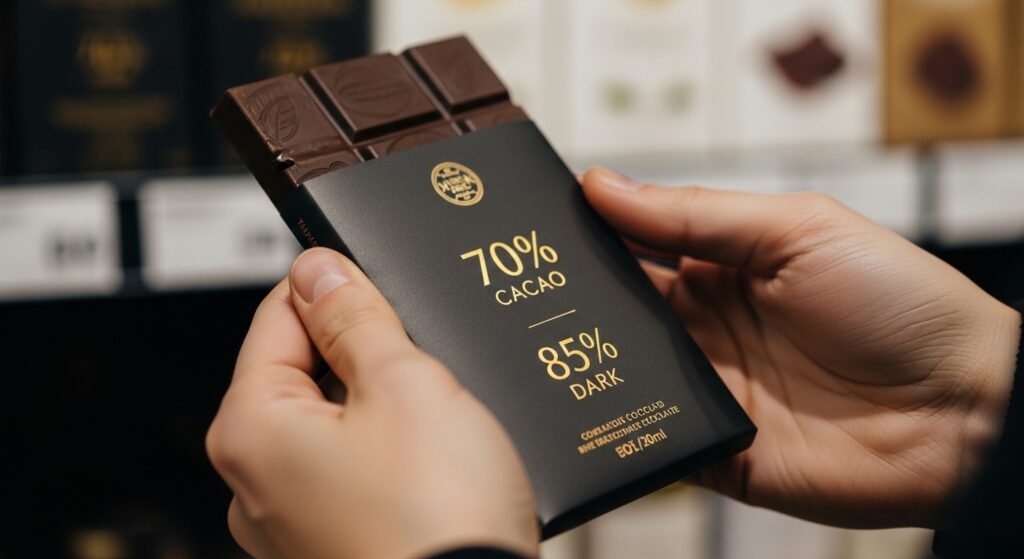
The cocoa percentage indicates how much of the bar comes from cocoa solids. Higher percentages usually mean richer flavor and less added sugar. Choosing chocolate with at least 60 percent cocoa often provides a better balance between taste and nutritional value.
Read ingredient list
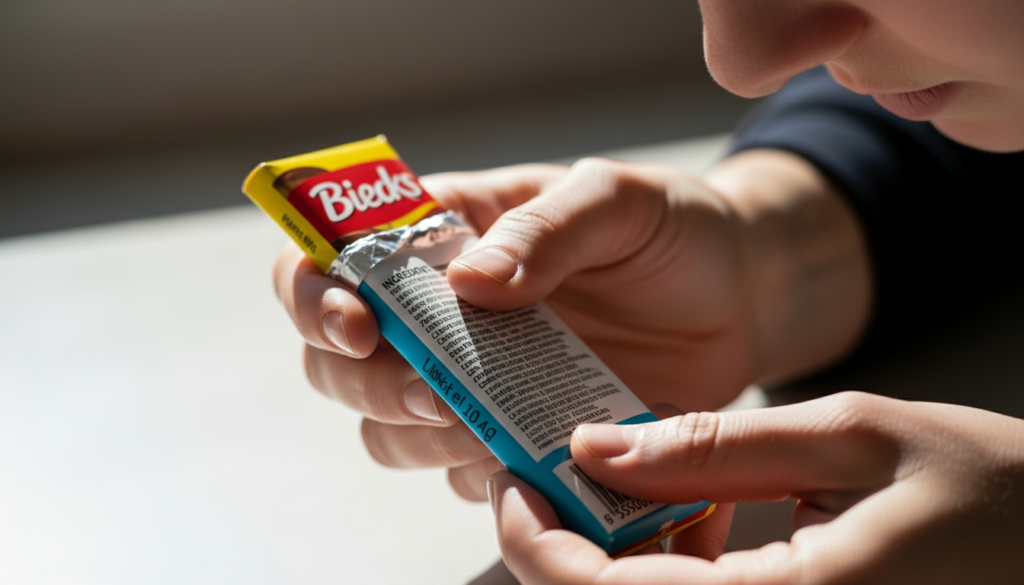
A short ingredient list is usually a good sign of quality. Ideally, chocolate should contain cocoa mass, cocoa butter, and a sweetener. Avoid bars with long lists filled with artificial additives, as they often reduce the overall quality of the product.
Watch added sugar
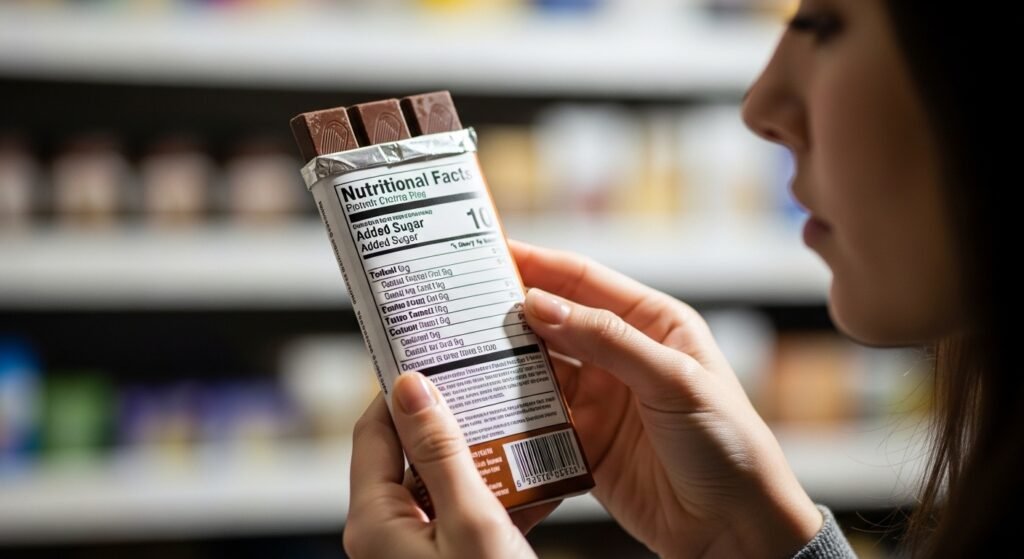
Many chocolate bars contain high levels of added sugar. Excess sugar can overpower the natural taste of cocoa and reduce health benefits. Checking sugar content per serving helps in choosing a bar that is both enjoyable and more balanced.
Look for real cocoa butter
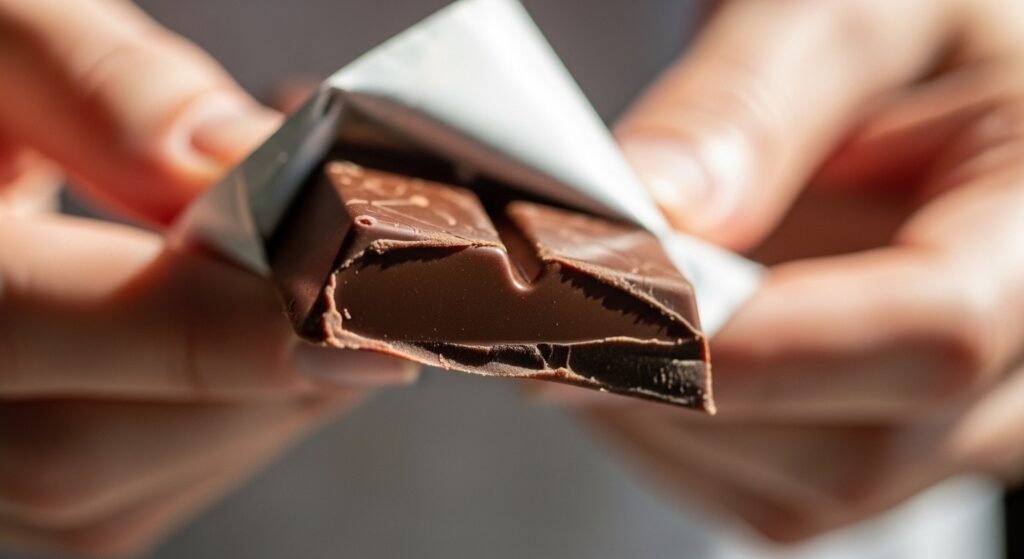
Some manufacturers replace cocoa butter with cheaper vegetable fats. This substitution affects both texture and taste. Checking for real cocoa butter ensures a smoother melt and a more authentic chocolate experience.
Check for additives
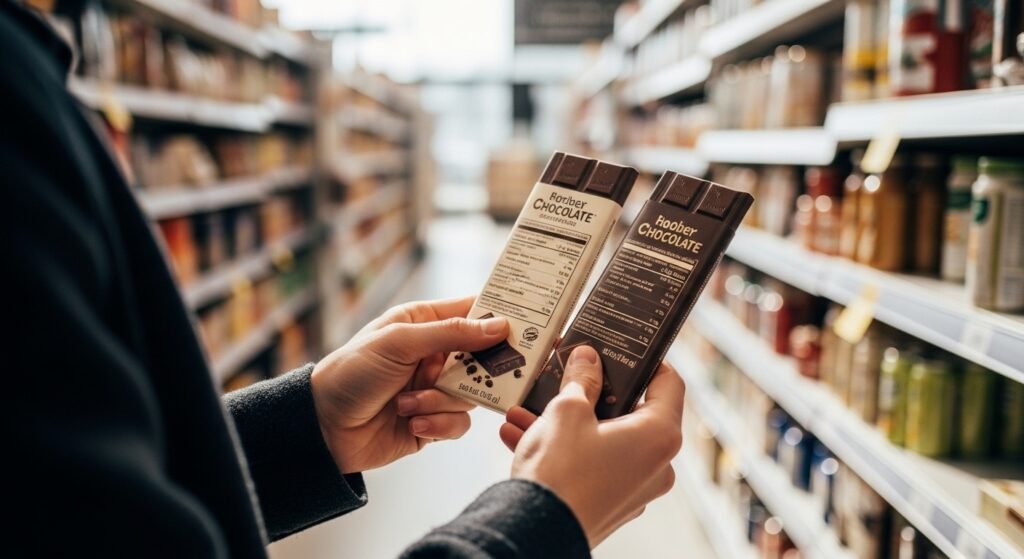
Ingredients like artificial flavors, emulsifiers, and preservatives are often added to extend shelf life. While some are harmless, too many additives can lower quality. Choosing bars with minimal processing helps maintain the natural richness of chocolate.
Consider sourcing quality
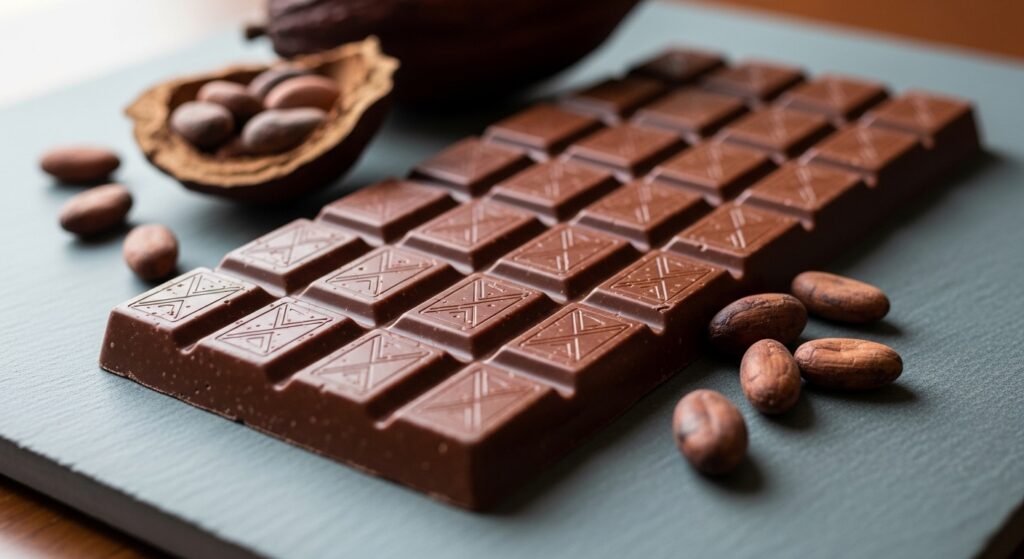
The origin of cocoa beans can influence flavor and quality. Chocolate made from well sourced beans often has a more complex taste. Ethical sourcing practices also support better farming conditions and sustainable production.
Review portion size
Serving sizes on packaging can be misleading. Some bars appear low in sugar or calories but are divided into small servings. Reviewing the total nutritional information for the entire bar gives a clearer understanding of what is being consumed.
Check freshness date
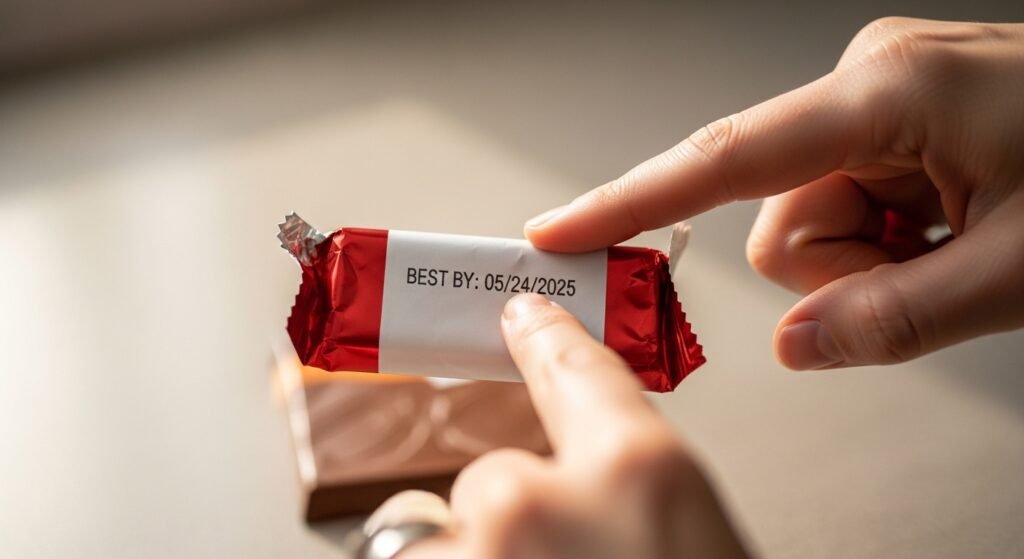
Freshness affects both taste and texture. Older chocolate may develop a white coating or lose its smooth flavor. Checking the manufacturing and expiry dates ensures a better tasting and safer product.