 Morina Gael
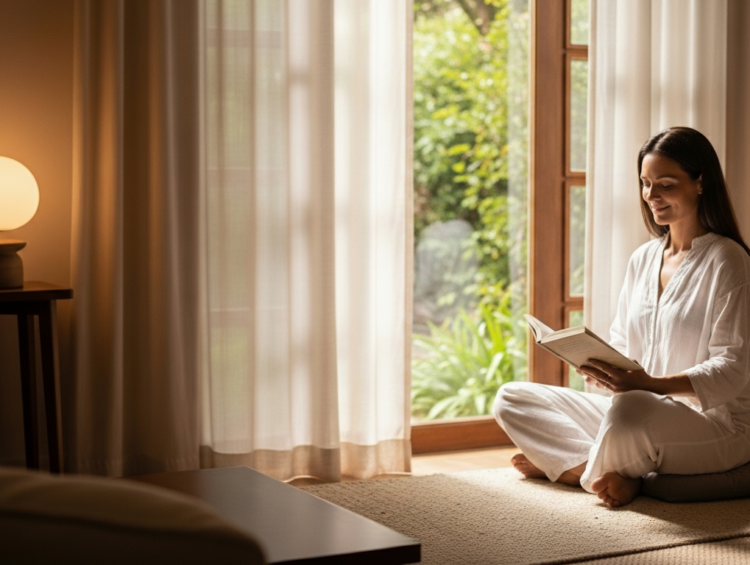
 Privacy plays a vital yet unrecognized role in contemporary society since it determines how individuals perceive their surroundings and engage with others and handle their everyday responsibilities. Personal space functions as a mental clarity tool which helps people maintain emotional balance and make sound decisions in a world where constant connectivity exists. The way people use privacy in their daily activities demonstrates that they need to establish proper boundaries which separate their public life from their private life to achieve a balanced existence. By protecting personal space in an increasingly connected world, people create room for calm, focus, and emotional well-being.
Mental Space and Clarity

The right to privacy enables people to experience mental relief because they can take breaks from receiving continuous information which lets them handle their mental processing needs. The mental space enables individuals to achieve better decision-making abilities while they maintain focus and experience less mental strain.
Emotional Regulation and Stability

Private time helps people identify and control their emotions without needing outside pressure. Public expectations must be abandoned because they create a barrier that prevents people from experiencing their authentic emotions. The system helps people maintain emotional stability by decreasing their stress reactions.
Stronger Personal Boundaries

People use privacy rights to establish their relationship boundaries and their everyday social limits. The ability to control information sharing through personal choices enables people to safeguard their energy and focus.
Improved Decision-Making

People need to think deeply about their choices when they want to make thoughtful decisions through silent introspection that keeps them away from external disturbances. People can assess their options through privacy which enables them to make decisions based on their core values.
Healthier Digital Habits

The practice of maintaining privacy results in users developing greater awareness of how they use online platforms. The practice of restricting continuous sharing results in reduced comparison activities and fewer distractions and unnecessary online interactions.
Deeper Self-Awareness

The private time which people use for reflection breaks open their actual selves thus helping them recognize their personal strengths and weaknesses and their most important life goals. People can better assess their behavior when external expectations do not shape their evaluation process.
More Meaningful Relationships

The selective sharing of information between two parties leads to more meaningful conversations and establishes trust between them. Personal space boundaries enable people to maintain their emotional energy which helps them stay engaged with others instead of becoming exhausted.
Reduced Stress and Overstimulation
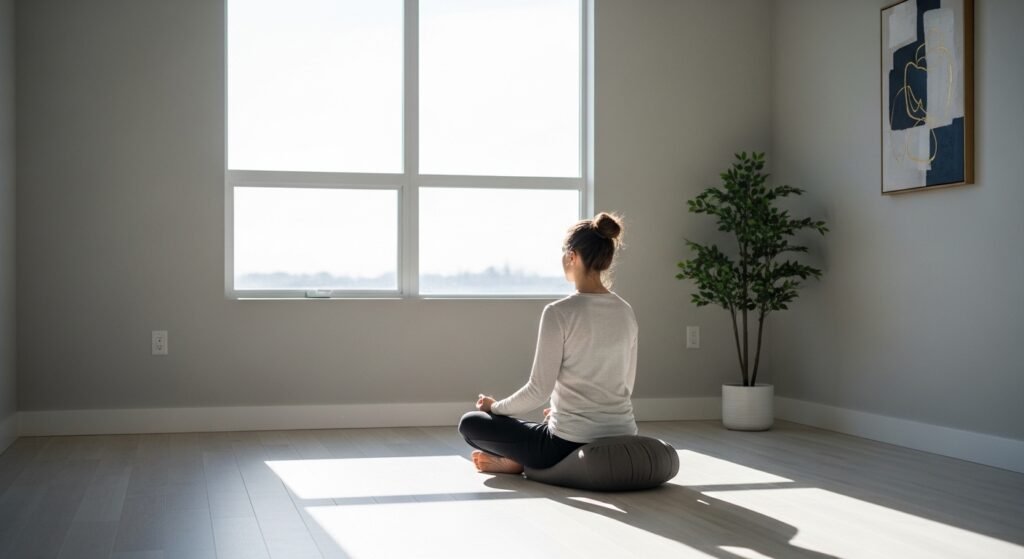
The ongoing need for constant monitoring creates perpetual demands which increase stress levels in people. The need for privacy provides people with relief by eliminating unwanted notifications and surveillance and social expectations.
Support for Personal Identity

Privacy functions as a shield which protects the area required for personal identity development from continual outside interference. People have the ability to explore their personal interests and life beliefs and future aspirations without any limitations. The ability to make independent decisions about their lives brings people greater self-assurance while decreasing their need for validation from others