 Morina Gael
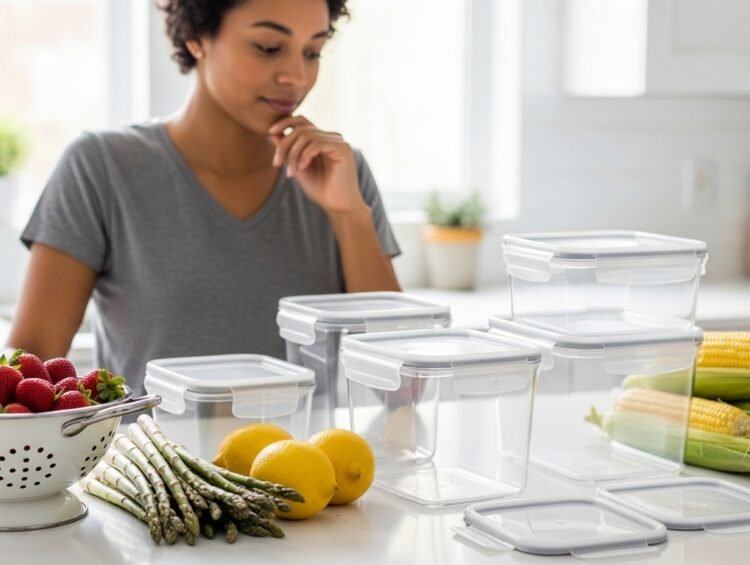
 Plastic containers are widely used for convenience, but not all foods respond well to them. Food safety experts point out that certain items can lose freshness, absorb odors, or even degrade when stored in plastic. Factors like heat, moisture, acidity, and oils can all influence how food interacts with these containers. Making small changes in storage methods can improve taste, extend shelf life, and support better food safety in everyday routines.
Hot Leftovers
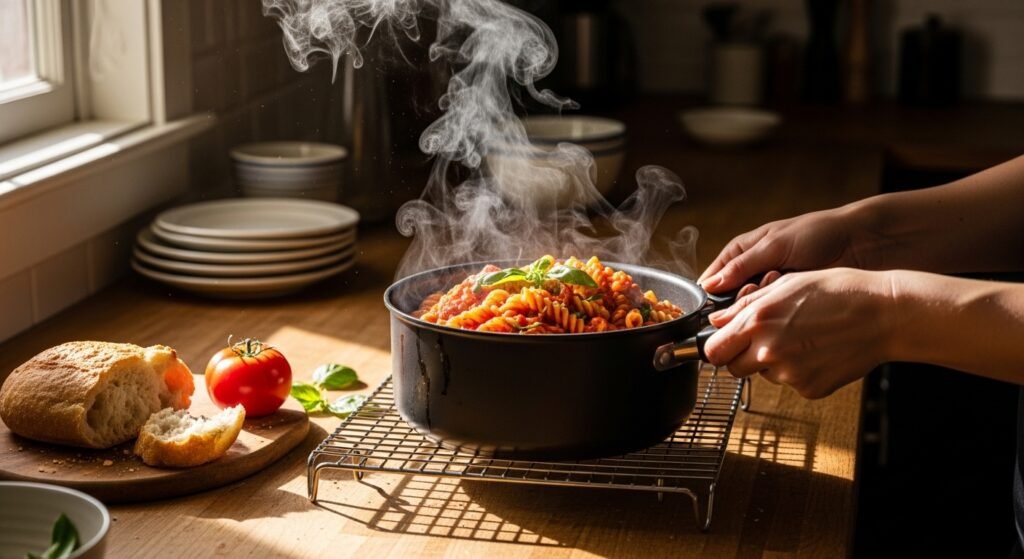
Placing hot food directly into plastic containers can trap steam and create excess moisture. This often leads to soggy textures and faster spoilage. Heat can also affect the structure of plastic, which may impact food quality over time. Allowing food to cool before storage or choosing glass containers provides a more stable solution.
Raw Meat Storage
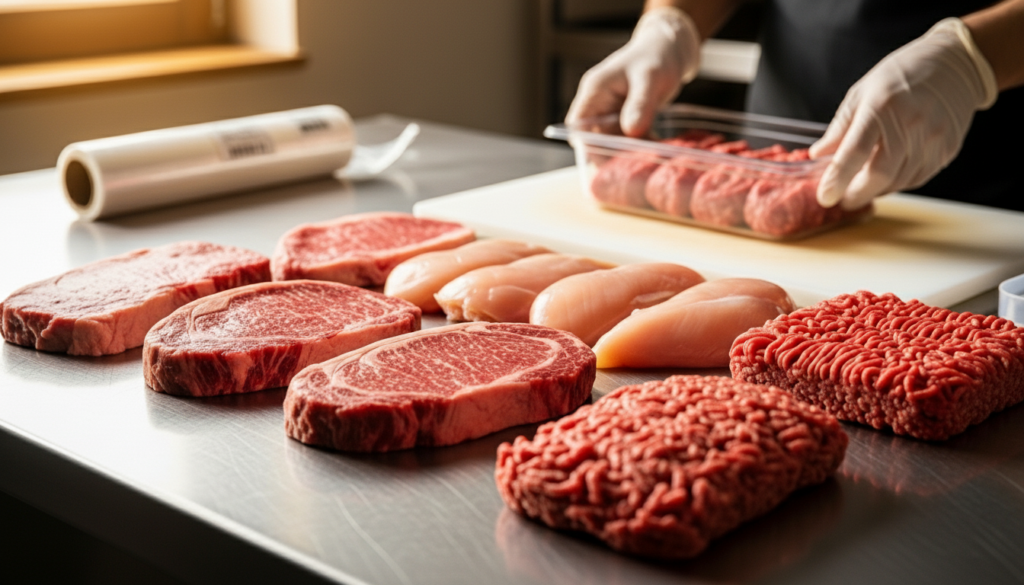
Raw meat releases juices that can carry bacteria, making proper storage essential. Plastic containers that are reused frequently may not provide the safest environment if not cleaned thoroughly. Using tightly sealed, non plastic containers helps reduce contamination risks. This approach also keeps other foods in the refrigerator protected.
Dairy Products
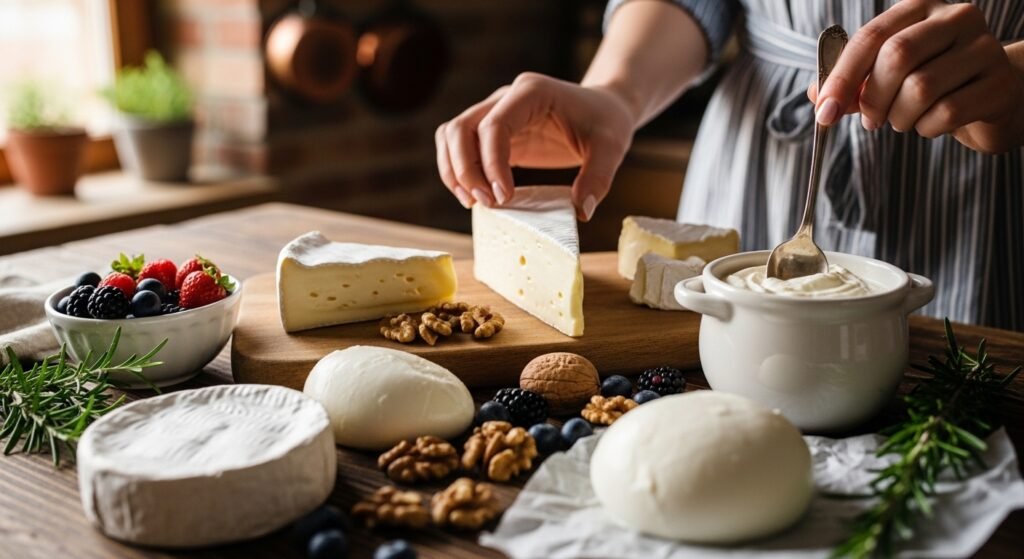
Dairy items such as soft cheese or cream require stable storage conditions. Plastic containers can trap moisture, which may lead to faster spoilage and changes in texture. Switching to glass or ceramic storage helps maintain freshness. It also prevents unwanted odors from affecting the natural flavor of dairy products.
Leafy Greens
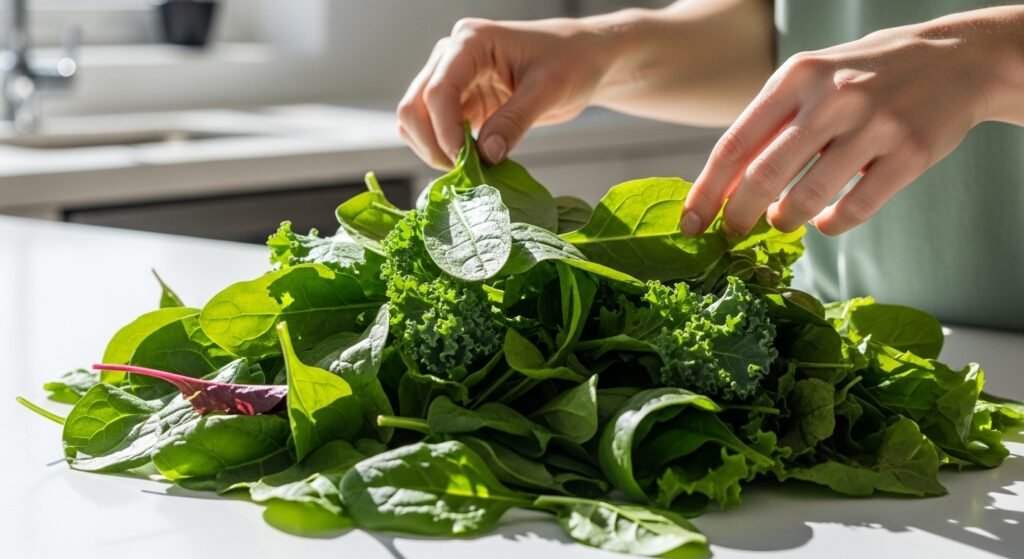
Leafy greens need airflow to remain crisp and fresh. Plastic containers tend to lock in moisture, causing leaves to wilt and decay more quickly. Storing them in breathable wraps or ventilated containers helps absorb excess moisture. This keeps them fresher and more usable for a longer period.
Ethylene Fruits
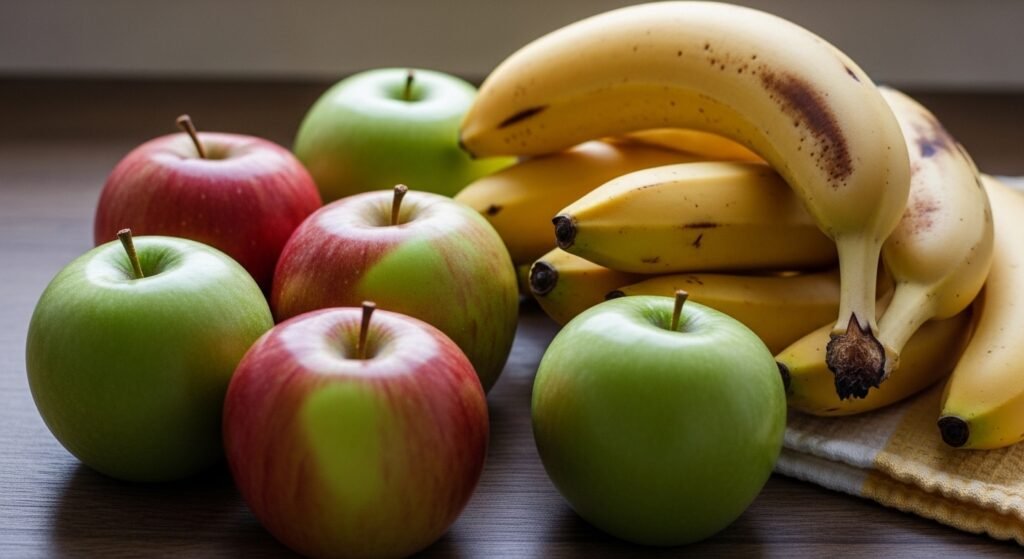
Fruits like bananas, apples, and tomatoes release natural gases as they ripen. Plastic containers trap these gases, speeding up the ripening process. This can result in overripe fruit much sooner than expected. Keeping them in open or breathable storage areas helps maintain better control over freshness.
Acidic Foods
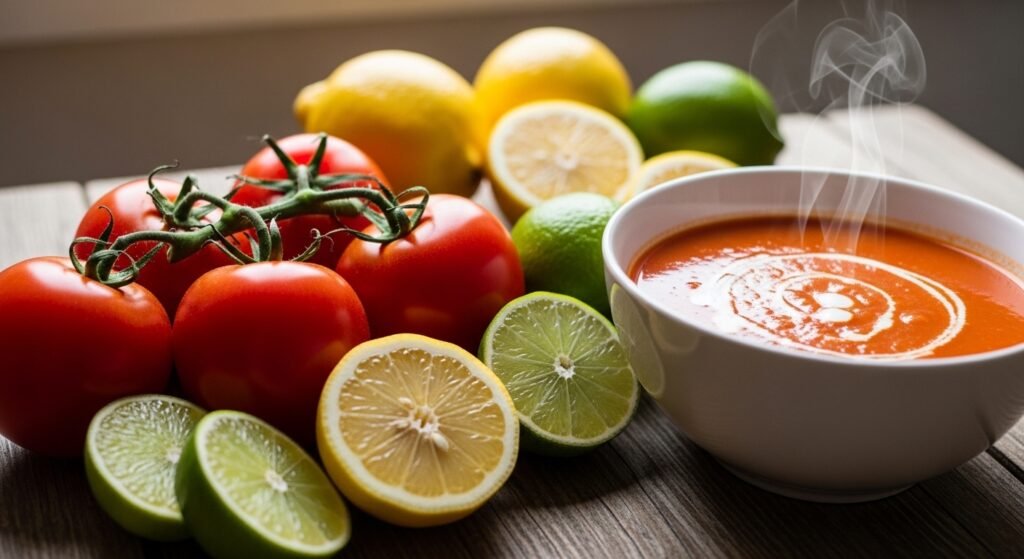
Acidic foods, including tomato based dishes and citrus fruits, can interact with plastic over time. This may lead to staining and slight changes in taste. Using non plastic containers provides a more stable environment. It helps preserve both the flavor and the quality of the food.
Oily Foods
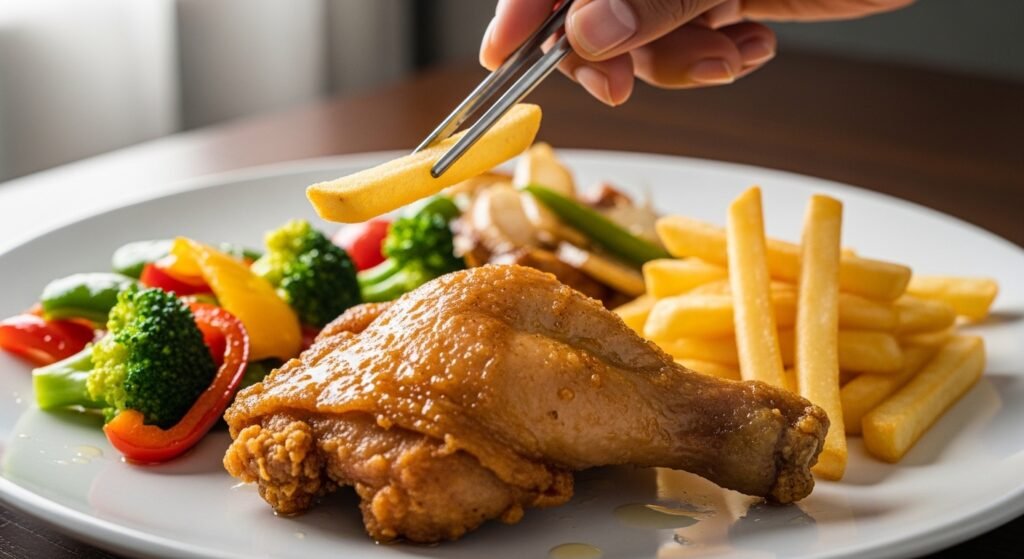
Foods rich in oils or fats can interact with plastic surfaces and leave behind residues. These residues may be difficult to remove and can affect future use. Over time, this can also impact the taste of stored food. Glass containers offer a cleaner and more reliable storage option for such items.
Spicy Dishes
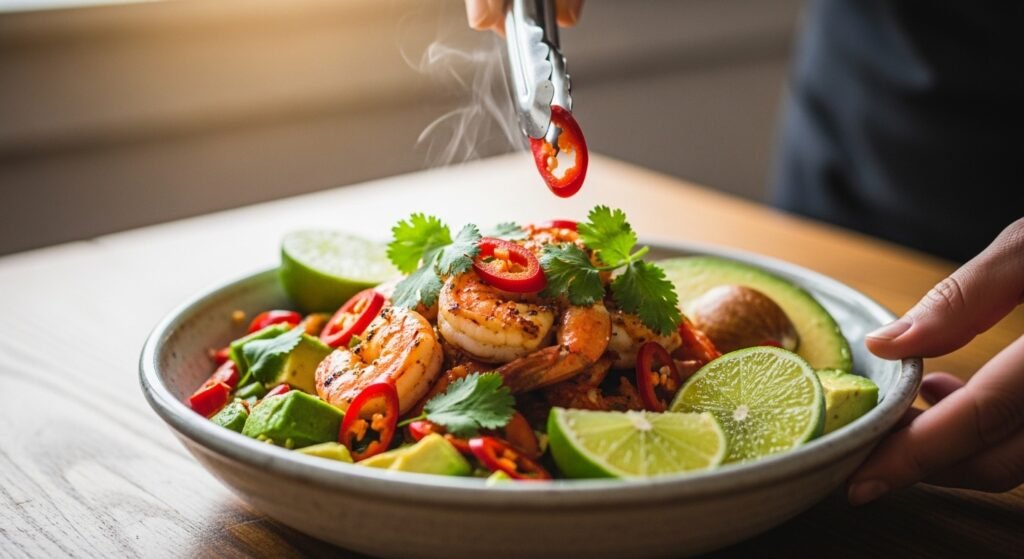
Spicy meals often contain strong pigments and oils that can stain plastic containers. These stains may also carry odors that linger even after cleaning. This can affect the flavor of other foods stored later. Choosing glass or ceramic containers helps avoid these issues and keeps storage neutral.
Garlic And Onions
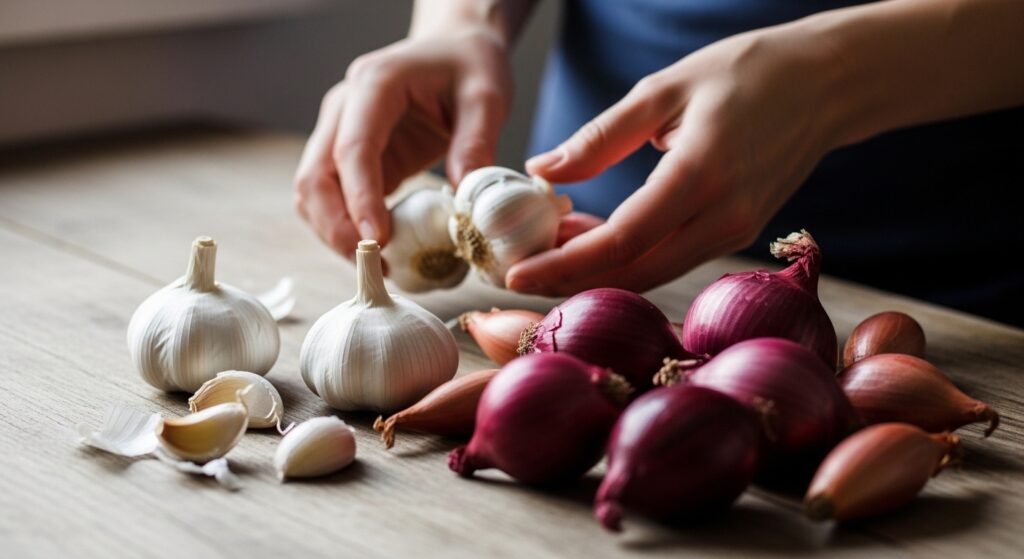
Garlic and onions release strong compounds that are easily absorbed by plastic. This leads to persistent odors that can transfer to other foods. Storing them in ventilated or non plastic containers helps maintain freshness. It also prevents unwanted smell buildup in the kitchen.
Fresh Herbs
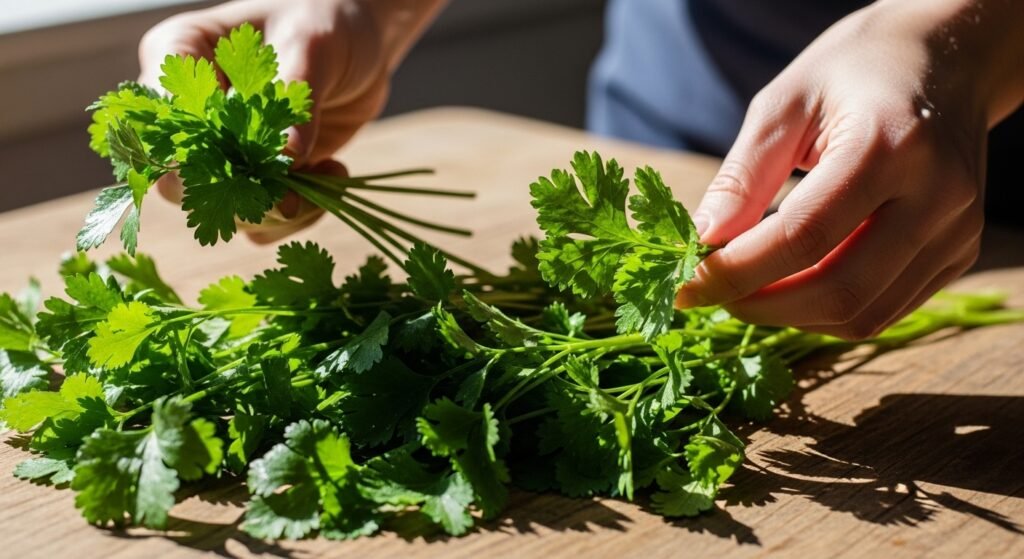
Fresh herbs are delicate and require proper airflow to stay usable. Plastic containers can trap moisture, leading to quick wilting and spoilage. Using breathable wraps or loosely covered containers helps preserve their texture. This keeps herbs fresh and ready for use over a longer period.