 Morina Gael
 Bread is a daily staple in many households, yet it often goes stale or spoils faster than expected. Improper storage is usually the main reason behind this issue. Understanding how moisture, air, and temperature affect bread can help extend its freshness. With a few simple adjustments, anyone can keep bread soft, flavorful, and safe to eat for longer periods without relying on preservatives or wasting food.
Room temperature basics

Bread stays freshest at room temperature when stored correctly. Keeping it in a cool, dry place away from direct sunlight helps maintain texture. Most breads last two to three days this way. Avoid placing it near heat sources, as warmth accelerates staling and spoilage.
Use a bread box
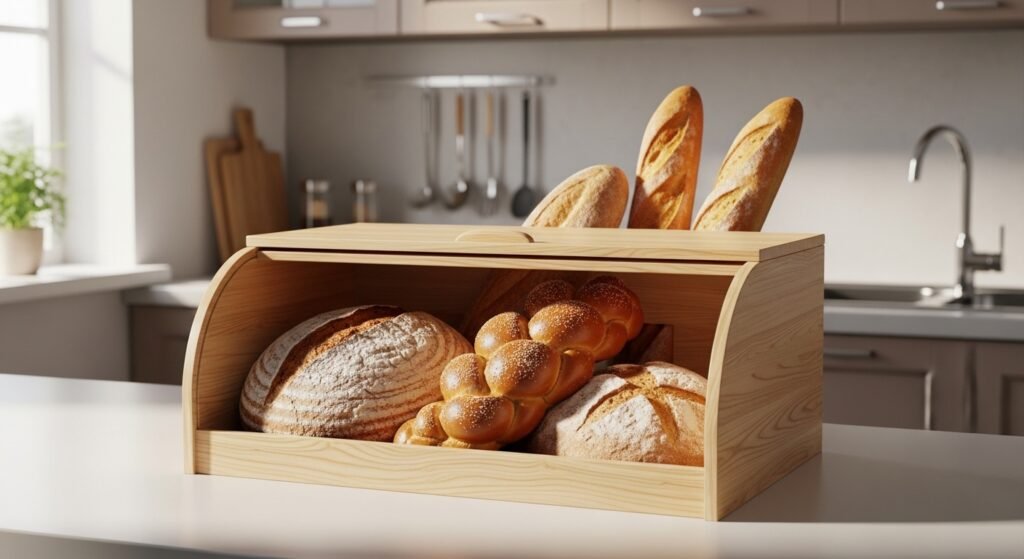
A bread box provides the ideal balance between airflow and humidity. It prevents excess moisture buildup while keeping the bread from drying out. This controlled environment helps maintain softness for longer. Many households find bread boxes effective for daily storage needs.
Avoid refrigeration
Refrigerating bread may seem like a good idea, but it actually speeds up staling. Cold temperatures cause the starch in bread to harden quickly. This results in a dry and tough texture. It is better to store bread at room temperature or freeze it if longer storage is needed.
Freeze for longevity
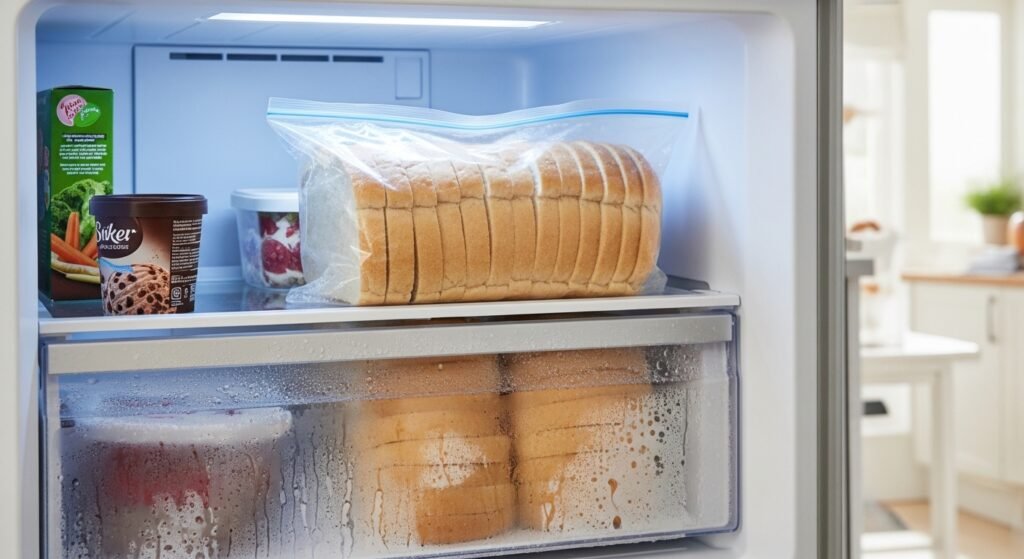
Freezing is the best method for extending bread life beyond a few days. Slicing the bread before freezing allows easy portion use later. Properly stored bread can last up to three months in the freezer. Thawing at room temperature helps retain its original texture.
Use proper wrapping
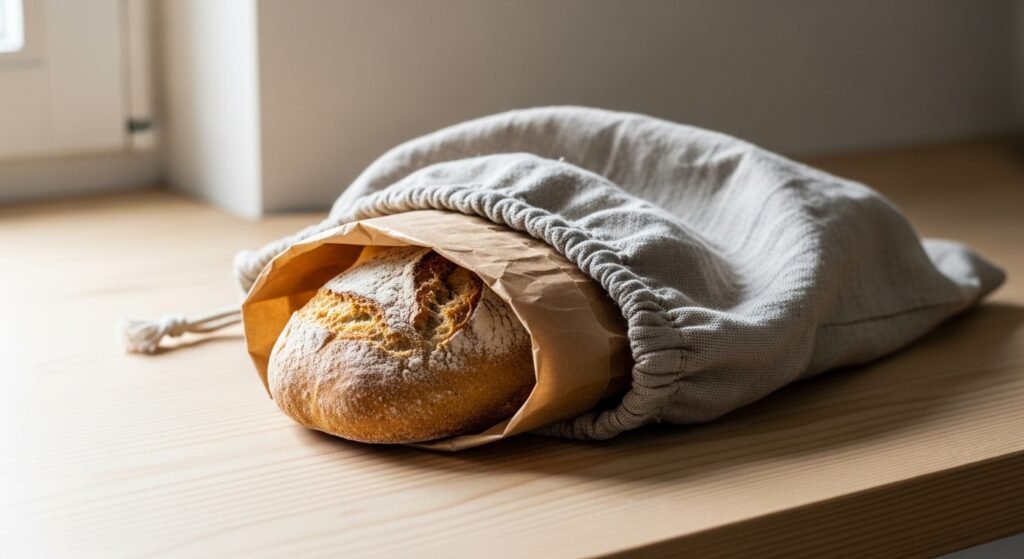
Wrapping bread correctly prevents exposure to air and moisture loss. Cloth bags or paper bags work well for short term storage. For longer storage, plastic wrapping helps retain moisture. Choosing the right wrapping method depends on how quickly the bread will be used.
Keep away from moisture
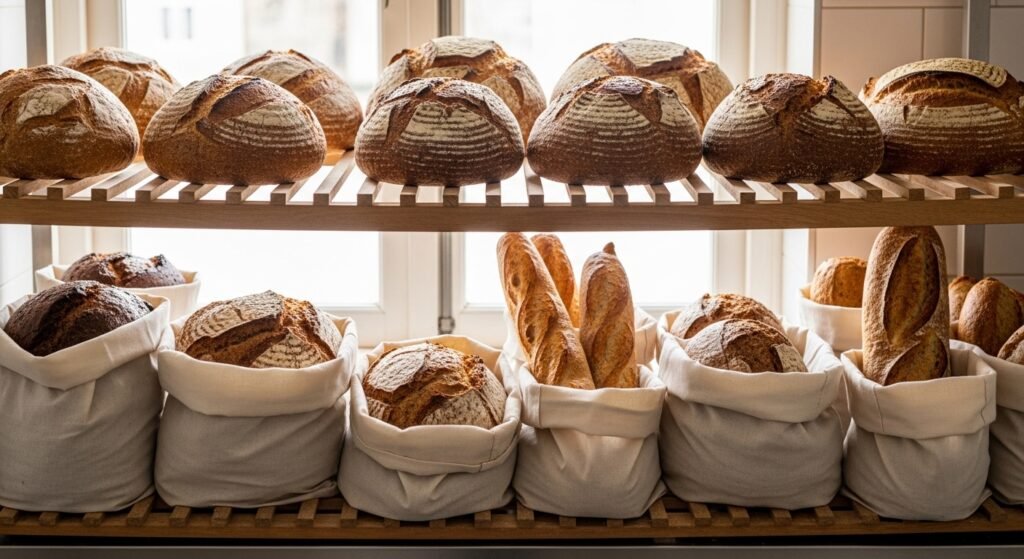
Excess moisture can lead to mold growth, especially in humid environments. Bread should always be stored in a dry area with good air circulation. Avoid sealing warm bread immediately, as trapped moisture increases spoilage risk. Let it cool completely before storage.
Store cut side down
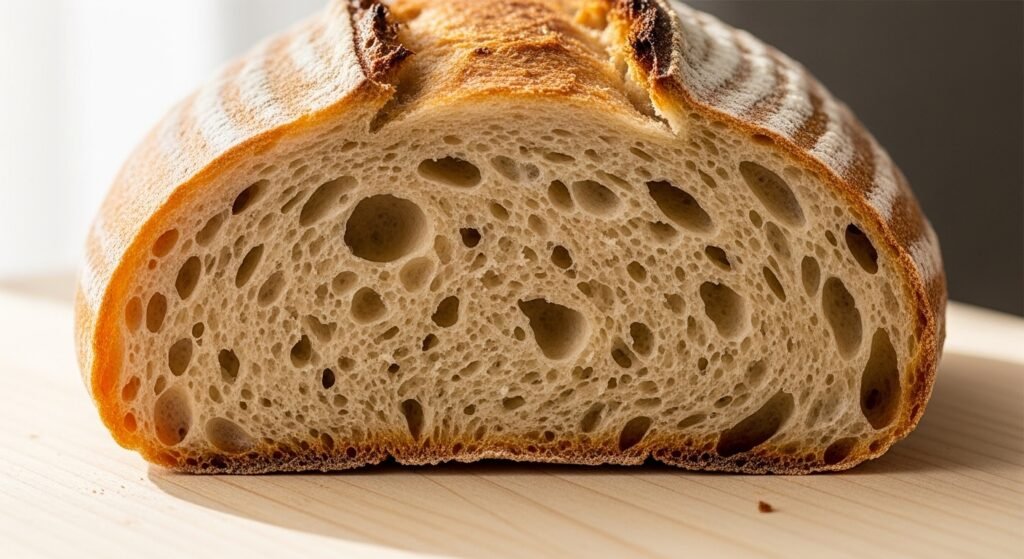
Placing the cut side of the bread facing down on a clean surface helps reduce air exposure. This method keeps the interior soft while protecting it from drying out. It is a simple and effective technique for maintaining texture.
Check regularly
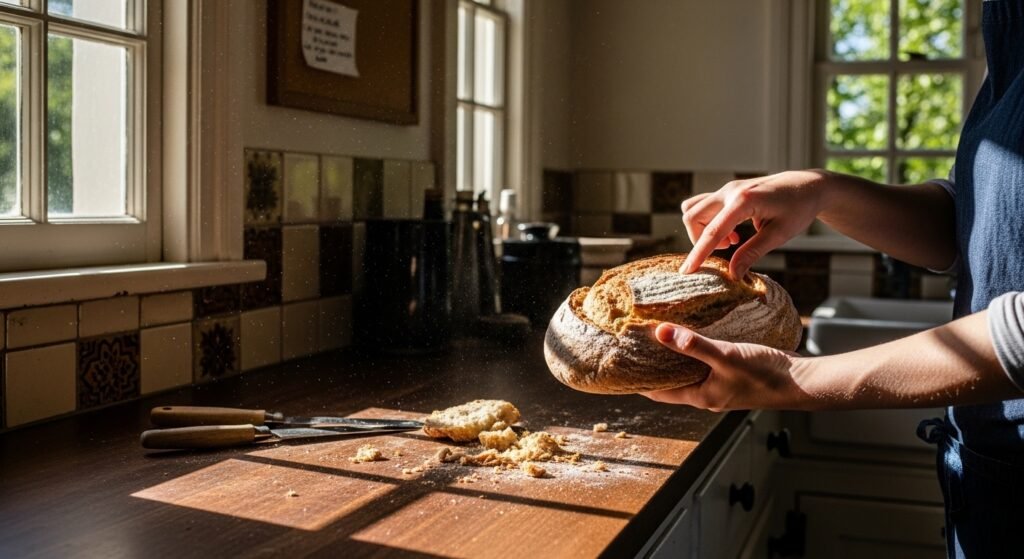
Regularly checking bread for signs of spoilage helps avoid waste. Early detection of mold or dryness allows timely use or disposal. Fresh bread should have a pleasant smell and soft texture. Monitoring its condition ensures better food safety.
Revive stale bread
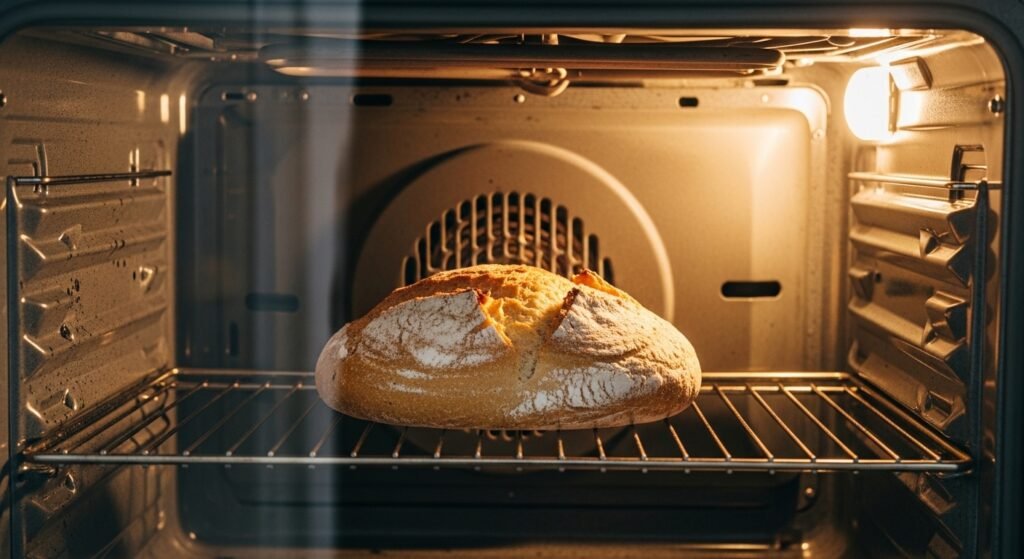
Slightly stale bread can be refreshed with heat. Sprinkling a little water and warming it in an oven can restore softness. This method works well for day-old bread. It helps reduce waste and makes the bread enjoyable again.