
 Morina Gael
 Over the last few years, Americans have been looking to healthier solutions to the constant stress of the modern lifestyle, which is why mindfulness is becoming one of the useful answers. Having been looked upon as a niche practice, mindfulness is being fully adopted in workplaces, schools and homes in search of calmer minds and increased emotional regulation. The increasing popularity is a cultural change of many people relying on reactive strategies of coping to preventive well being.
Mental Clarity

What attracts many people to mindfulness is that it promotes alertness in the present which makes one focus on the present and forget about the busy thoughts that usually lead to stress. Paying attention to breathing or sensations helps people to discontinue patterns of worry and recover a sense of control over their thinking processes.
Emotional Balance

Mindfulness exercises aid in emotional regulation by assisting people to be aware of their feelings without a direct response, which can provide room to respond to them in a healthier way when faced with a challenging situation. Over the long-run, this awareness may boost the resilience and create an opportunity to overcome frustrations, anxiety, and everyday stresses in a more stable way.
Physical Health

It has been demonstrated that regular mindfulness practice could potentially lead to a decreased level of stress hormones, better sleep, and less tension in the body, which are all healthy practices. Most Americans are resorting to such methods as a supplementary measure to the practice of wellness traditional practices in order to enhance mental and physical health.
Workplace Focus

Mindfulness has been found to enhance concentration, productivity and decision making, and a growing number of employers have realized this, and some have even created guided sessions or wellness programs. Employees who are mindful will attest to experiencing reduced stress and strain related to the demands of multitasking, and improved ability to stay focussed throughout the day.
Digital Overload

Being constantly bombarded with notifications, news and social media has provided a setting where attention can often be fragmented and thus mindfulness has become particularly attractive as a method of not being distracted by digital clatter. The habit of taking a conscious break will help people recharge their brain and lessen the feeling of urgency provided by constant connection.
Accessible Practice
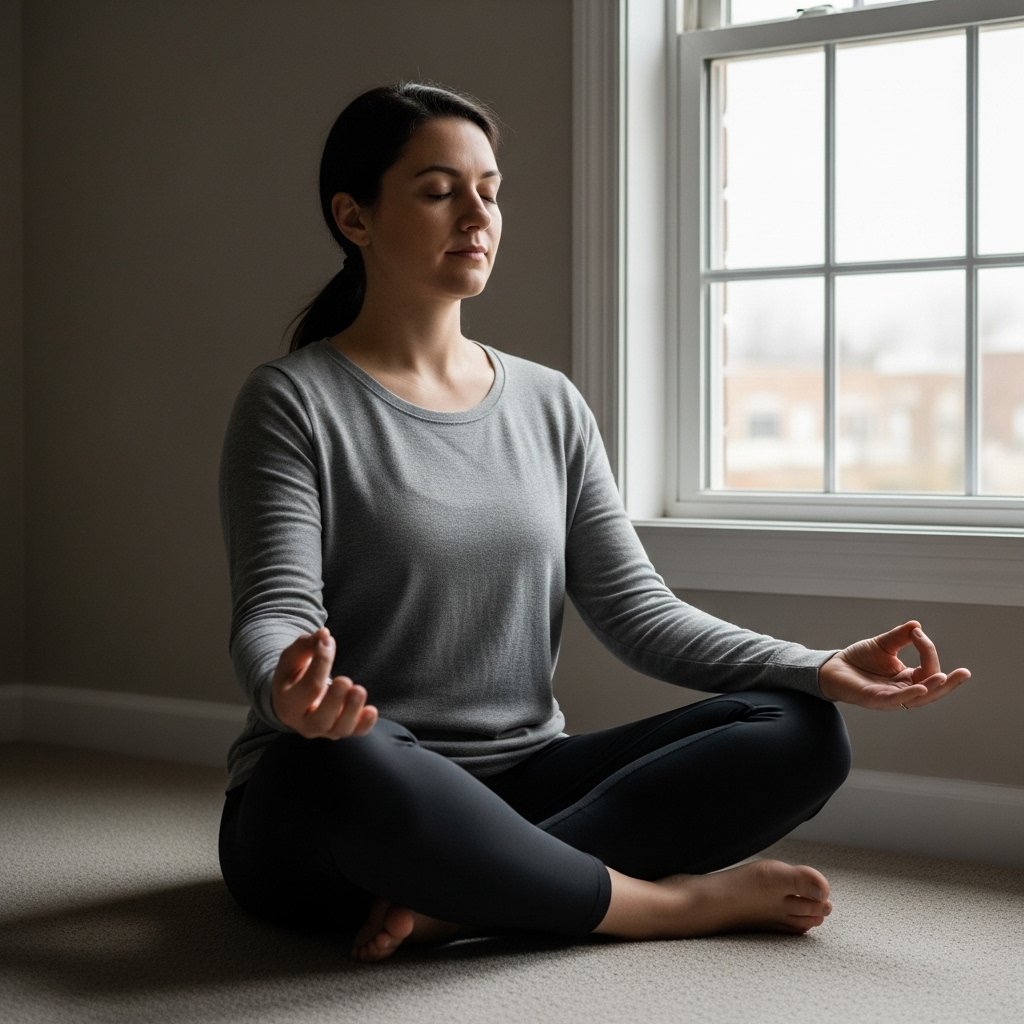
It is one of the reasons why mindfulness is still gaining momentum as it does not need much equipment and can be done in virtually any location, on a quick break, on a commute, or before sleep. Guidance has also been more accessible due to mobile apps, online video, and community programs, so that beginners need not fear starting.
Scientific Support

The growing scientific evidence on mindfulness has contributed to changing the view of the masses towards receptivity to adopt a new perspective on the subject since scientific studies indicate that there are quantifiable benefits associated with this concept in terms of mitigating stress and improving emotional well-being. This credibility is evidence-based and will inspire more individuals to consider mindfulness without fear that it lacks the background of experimental psychological concepts.
Long Term

Most Americans value mindfulness due to the fact that it is not a one-time solution but a skill that builds over time, providing life long-term coping mechanisms and not just temporary solutions to life problems. They become aware of their own inner selves, become more patient, and more capable of staying calm in stressful situations, which is what many people tend to experience with increased practice.