
 Morina Gael
 Once women get past 35, their bodies start to change in very minor ways that nonetheless have profound implications. There is reduced muscle mass, changes in energy and stress or exercise recovery may take a longer time than it used to be. Although balanced nutrition and weight lifting are still vital, there is one supplement that is getting a buzz around due to its science supported advantages. Since creatine has been connected with athletes, today it provides potent assistance to women in the middle of their life at this significant period of their life.
Muscle Support
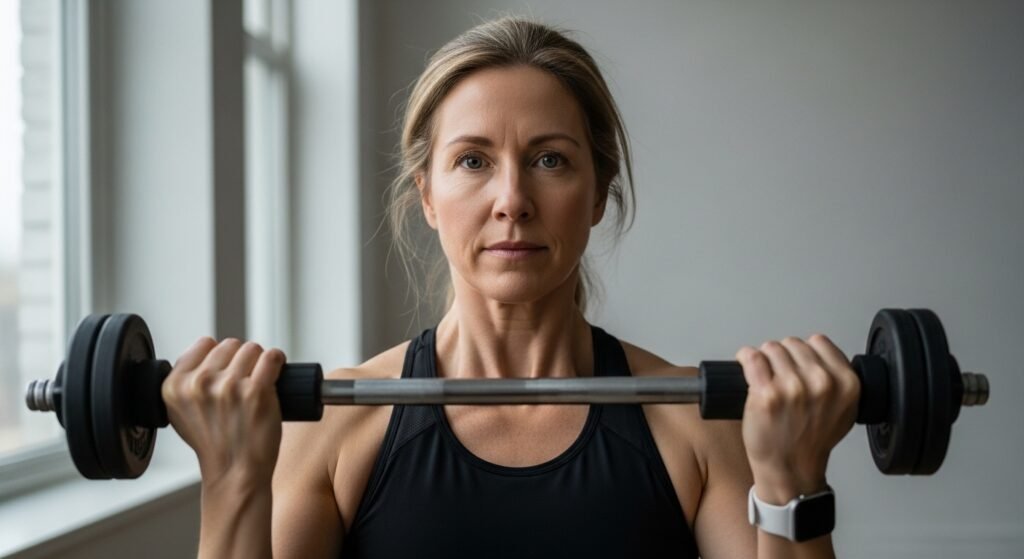
Once women reach 35 years of age, they naturally start to lose lean muscle mass, which can have a slow but steady influence on strength, posture and metabolic health. Creatine assists in restoring the muscle-cell energy stores in the body, which produces an opportunity to enhance the body performance when undertaking resistance training and enhancing the retention of the hard-earned muscle tissue in the long run.
Bone Health

Powerful muscles and powerful bones are like one and both are more significant with age. New studies also indicate that creatine can indirectly help maintain bone density since it increases the ability to train strength, and healthy stress on bones stimulates the bones to stay resilient.
Metabolic Boost

Since the process of metabolism is slowed down as people age, a healthy body composition may seem increasingly difficult to maintain despite the commitment. Creatine supports lean muscle growth and enhances the intensity of workout as well as creates more efficient metabolism, which allows the body to utilize the energy more efficiently during the day.
Energy Levels

One may get too tired during the late thirties and beyond, particularly when work, family and personal life have to be balanced. The role of creatine in the body is that it is involved in the production of cellular energy, which contributes to the renewal of ATP, the main energy of the body, which can then be translated into increased endurance and less experience of physical fatigue.
Brain Function

Creatine is also found in the brain in addition to being stored in the muscles, where it improves cognitive performance and mental clarity. Certain studies have shown that enough creatine can be helpful in memory, concentration, and general cognitive resilience, especially when one is stressed or has had their sleep disrupted.
Hormonal Changes

The changes in hormones are more noticeable after the age of 35 and these changes are capable of affecting the strength, mood, and recovery. Although creatine does not directly increase or decrease the hormone levels, it assists the body to keep the body in check regarding muscle and energy production even when hormonal changes normally cause physical deterioration.
Workout Recovery

The aging process is more prone to recovery and soreness and fatigue take more time to heal compared to the past. Creatine has been demonstrated to promote muscle restoration and minimize damage caused by exercise that can make women remain committed to their exercise programs without long periods of recovery.
Long Term Health

Healthy aging means preservation of muscle, brain, and metabolism before significant alterations took place. Combined with appropriate hydration, nutritional balance, and frequent strength training, creatine provides a well studied and overall safe addition to the nutrient pool that promotes energy and functional autonomy in old age.