 Morina Gael
 Oranges are often placed in fruit bowls and forgotten, but the way they are stored can quietly impact their freshness and taste. Many assume citrus fruits do not need refrigeration, yet temperature plays a key role in how long they last. Small changes in storage can help preserve juiciness, prevent waste, and improve daily consumption habits. Understanding when to refrigerate and when not to can make a noticeable difference in both flavor and shelf life.
Room Temperature Basics
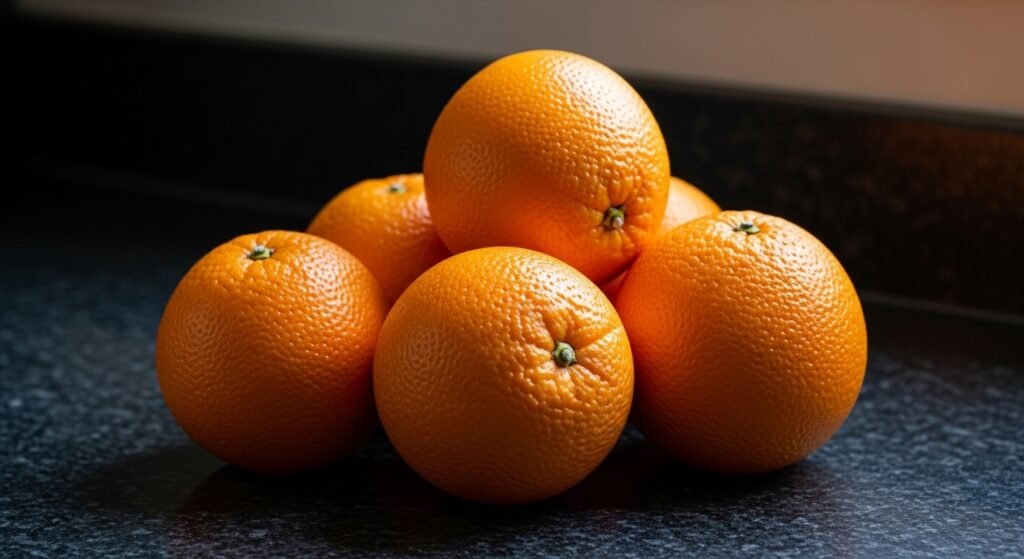
Oranges can stay at room temperature for a short period, usually a few days to about a week if kept in a cool and dry spot. This works well when the fruit will be eaten quickly and monitored regularly for softness or spots. They often taste slightly sweeter at room temperature, which makes them appealing for immediate consumption. However, extended exposure to warm air can gradually reduce their moisture and firmness.
When Refrigeration Helps
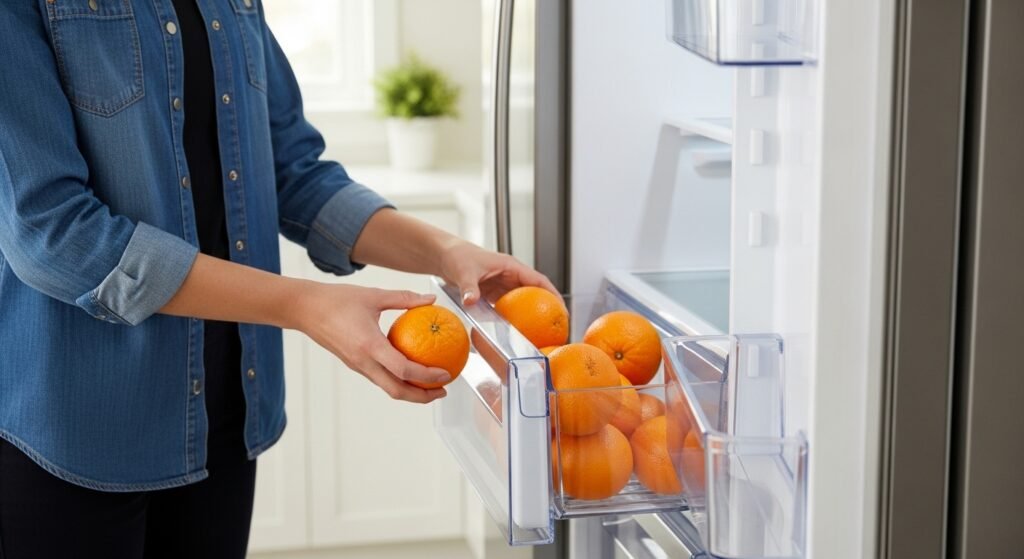
Refrigeration becomes a better option when oranges are not going to be consumed within a few days. Cooler temperatures slow down the natural breakdown process and help preserve both texture and flavor. This method is especially useful for people who buy oranges in larger quantities. Keeping them chilled ensures they stay fresh and ready to eat over a longer period without noticeable quality loss.
Shelf Life Difference
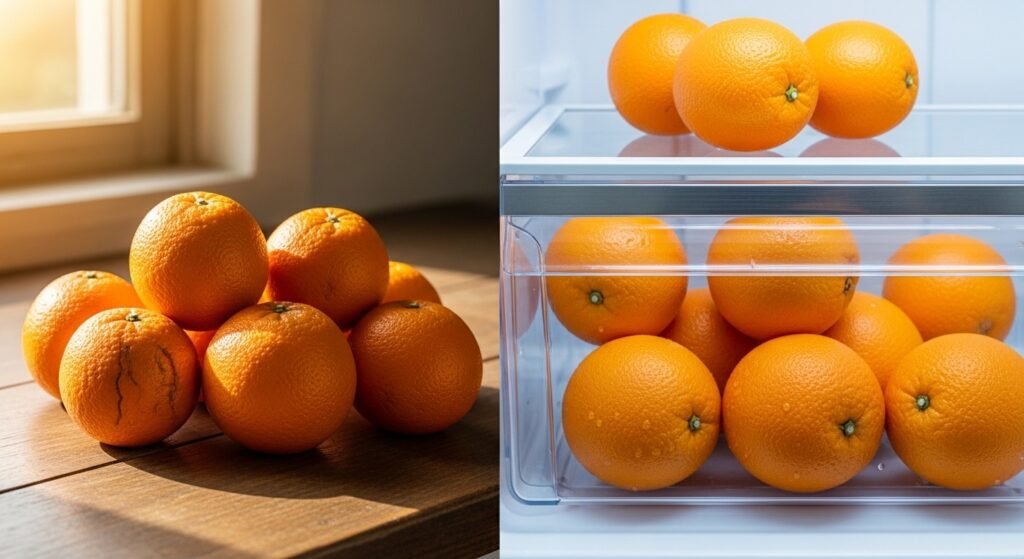
The difference in longevity is significant depending on storage choice. Oranges kept outside usually last around one week before signs of drying or spoilage begin to appear. When stored in the refrigerator, they can remain fresh for up to three to four weeks. This extended shelf life helps reduce unnecessary waste and makes meal planning more efficient.
Best Fridge Placement
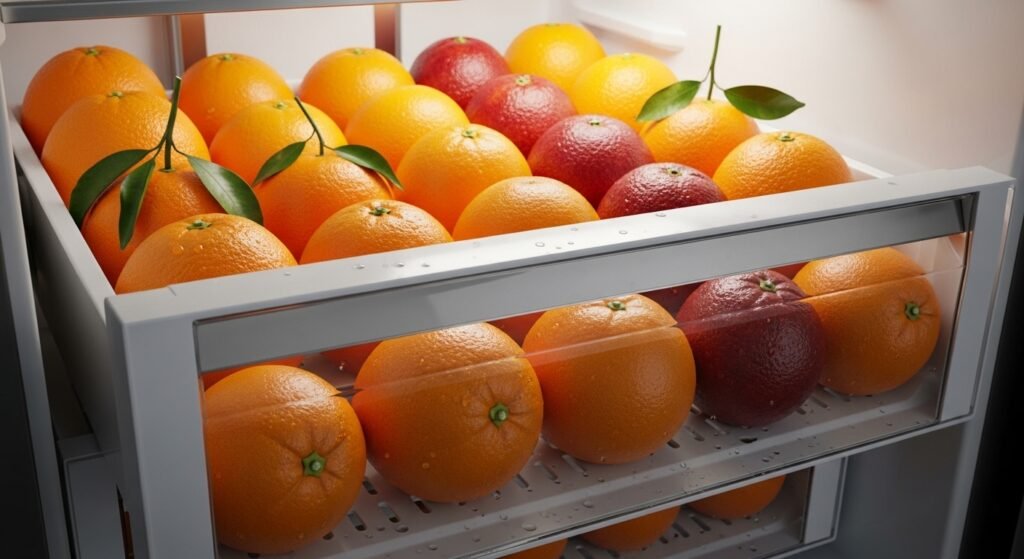
Proper placement inside the refrigerator also matters. The crisper drawer is the most suitable area because it maintains balanced humidity levels that prevent the fruit from drying out too quickly. Placing oranges loosely or in a breathable bag allows better airflow. This reduces excess moisture buildup, which can otherwise lead to faster spoilage.
Avoid Washing Early
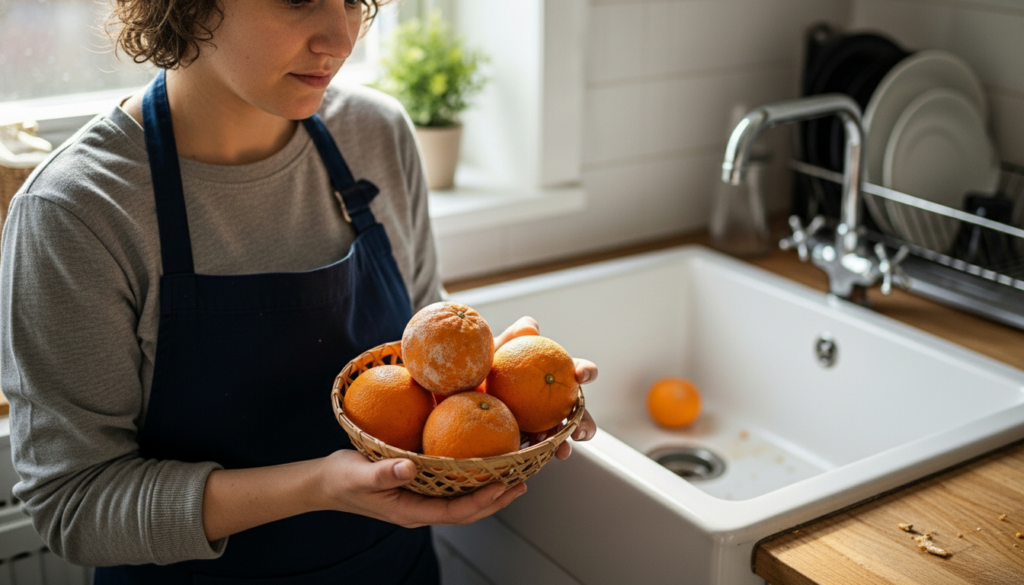
Washing oranges before storing them may seem like a good habit, but it can shorten their lifespan. Extra moisture on the surface can encourage mold growth over time. It is more effective to keep them dry during storage and wash them just before eating. This simple step helps maintain their freshness for a longer duration.
Keep Them Well Spaced
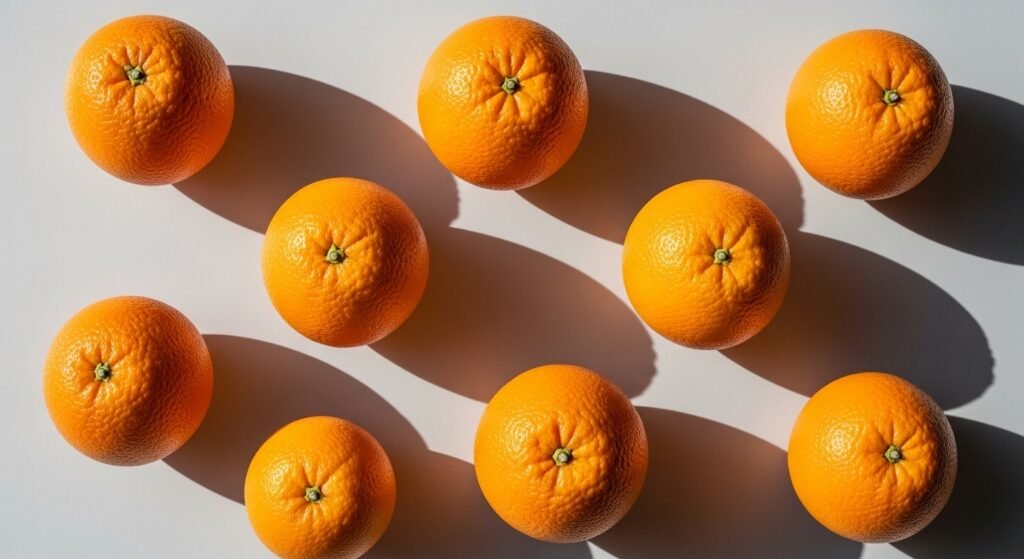
Spacing plays a practical role in maintaining quality. When oranges are piled on top of each other, they can bruise or develop soft spots more quickly. Allowing some space between each fruit improves air circulation. This reduces the chances of one spoiled orange affecting others in the batch.
Separate From Other Fruits
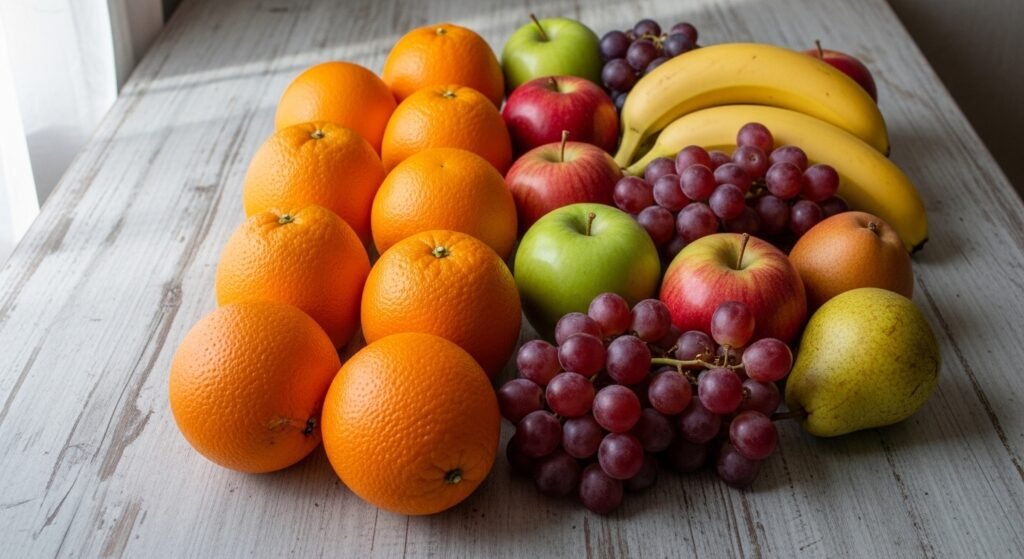
Certain fruits release natural gases that can speed up ripening. Keeping oranges next to items like bananas or apples may cause them to deteriorate faster. Storing citrus fruits separately helps maintain their structure and freshness. This small adjustment can noticeably extend how long they stay usable.
Climate Matters Too
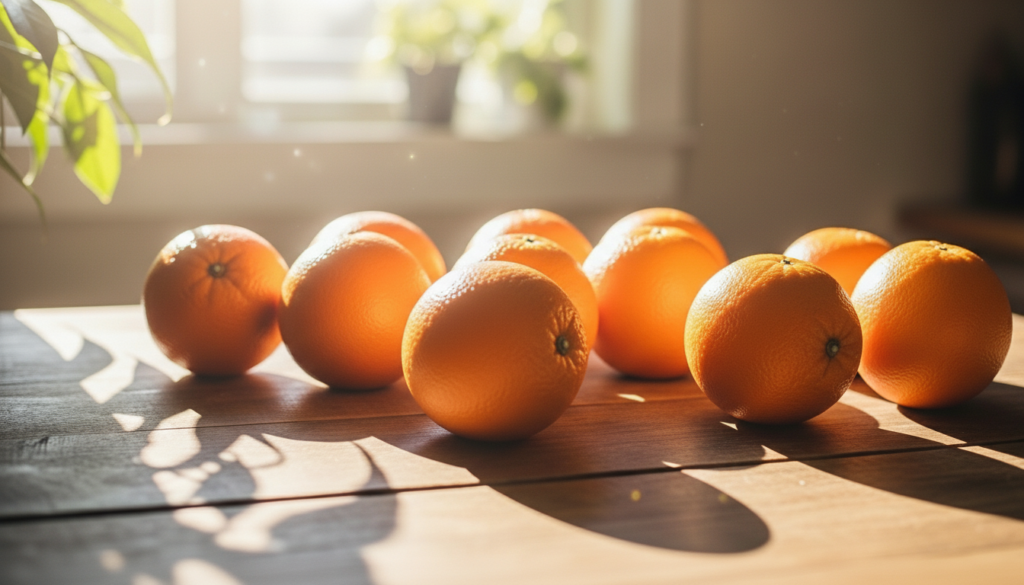
Environmental temperature plays a key role in storage decisions. In warmer regions, oranges tend to spoil faster if left outside for extended periods. Refrigeration becomes more important in such conditions to maintain freshness. In cooler climates, short-term countertop storage may still be acceptable with regular checks.
Smart Storage Habits
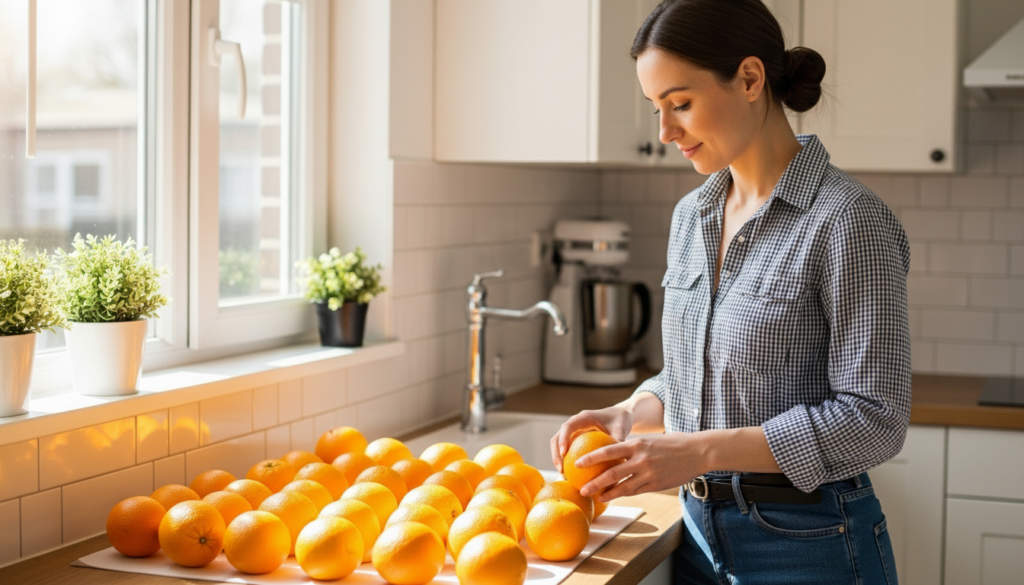
Adopting simple storage habits can make a clear difference in quality and longevity. Choosing the right location, avoiding moisture, and monitoring spacing all contribute to better results. With these small changes, oranges remain fresher, juicier, and more enjoyable over time. This approach supports both better nutrition and reduced food waste in everyday life.