 Morina Gael
 Many people believe handwashing is only necessary after using the restroom or before eating. In reality, everyday objects can carry far more germs than most people expect. Surfaces touched by many individuals collect bacteria, dirt, and unseen contaminants throughout the day. Health experts often emphasize that simple hygiene habits can reduce illness risk significantly. Recognizing common items that collect germs helps people stay more aware of when a quick hand wash can protect their health.
Public Door Handles
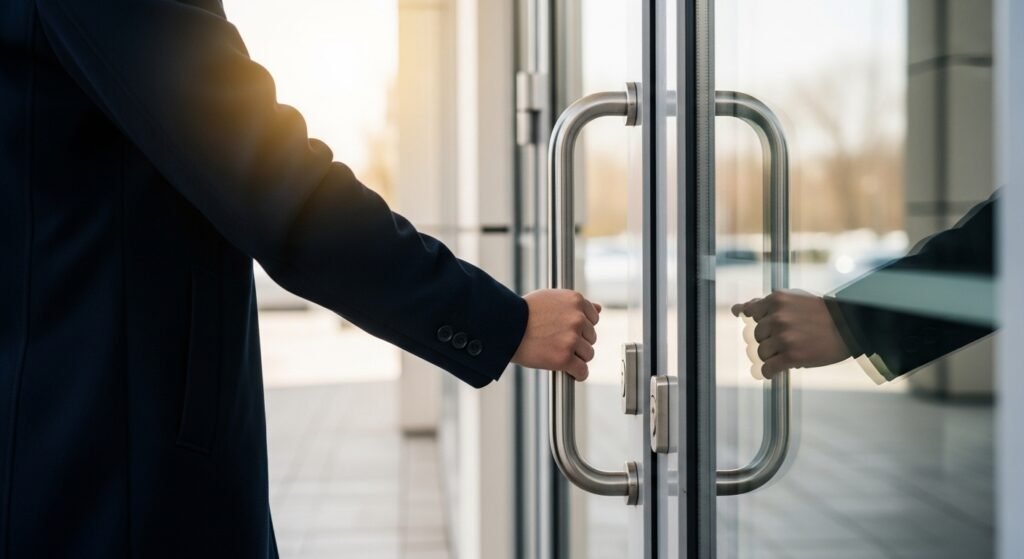
Door handles in public spaces are touched by dozens or even hundreds of people each day. Offices, malls, and public buildings rarely disinfect these surfaces after every use. Germs can remain on metal or plastic for several hours. Washing hands after touching these handles reduces the chances of transferring bacteria to the face.
Money And Coins
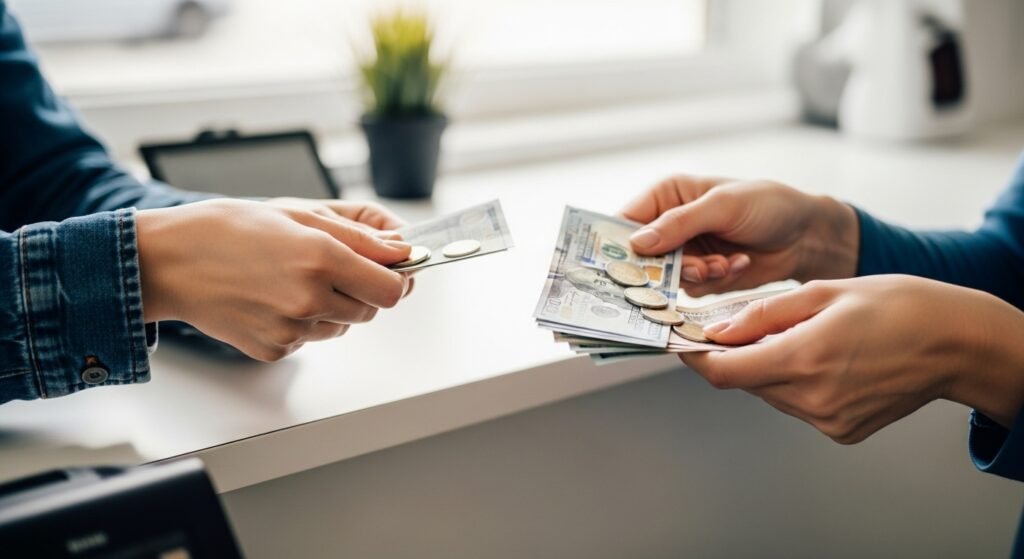
Cash moves constantly between different people and environments. Studies have found that paper currency and coins often carry bacteria from food, surfaces, and hands. Even though digital payments are increasing, many people still handle cash daily. Washing hands after handling money can prevent those microbes from spreading further.
Mobile Phones

Phones travel everywhere with their owners, including kitchens, work desks, and public spaces. Research has shown that smartphone screens may contain more bacteria than some household surfaces. Because people touch their phones repeatedly throughout the day, germs can easily move from the device to the hands and face.
Public Transport Railings
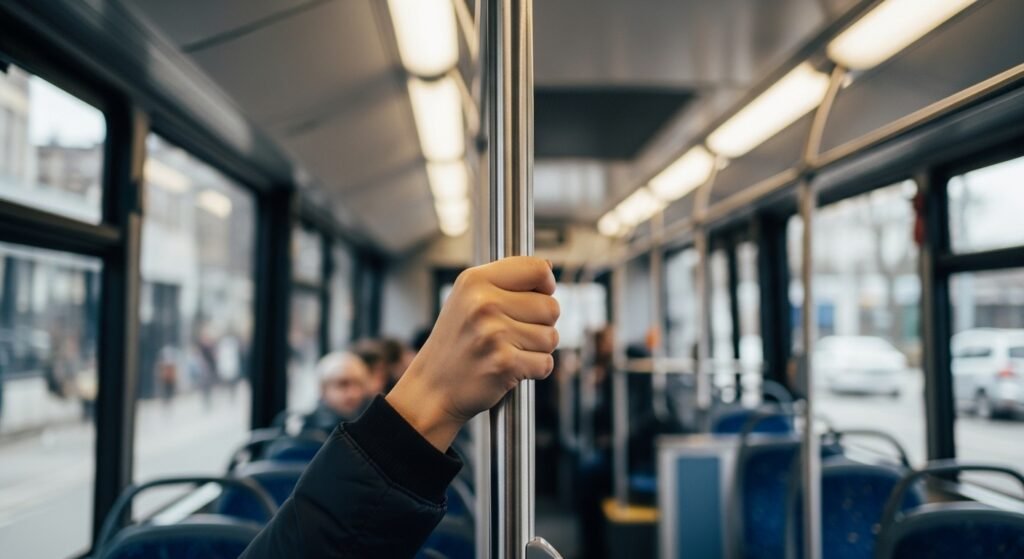
Bus and train railings provide support for many commuters during busy hours. Hundreds of hands grip the same bars and straps throughout the day. These surfaces are exposed to sweat, dirt, and environmental particles. Cleaning hands after commuting helps reduce exposure to germs collected during travel.
Shopping Cart Handles

Supermarket carts are handled by many shoppers without regular cleaning between uses. Food residue, dust, and bacteria can accumulate on the handles. Since grocery trips often involve touching multiple products afterward, washing hands soon after leaving the store is a practical step to maintain hygiene.
Restaurant Menus

Menus pass through many hands during a typical day at restaurants or cafes. While tables may be cleaned frequently, menus are often overlooked during routine sanitation. This means bacteria from previous customers may remain on the surface. Washing hands after ordering can help prevent accidental contamination.
Shared Office Equipment

Office spaces often include shared keyboards, printers, and meeting room equipment. When several employees use the same devices, bacteria can transfer quickly between users. Regular hand hygiene becomes especially important in shared workplaces where surfaces are touched repeatedly throughout the workday.
Pets And Animal Bowls
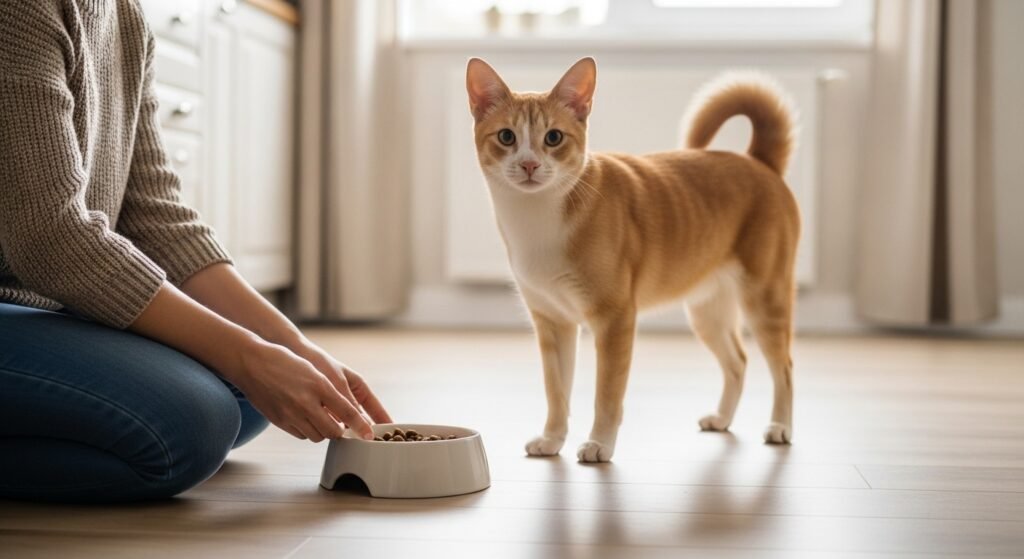
Pets bring comfort and companionship, but their food bowls and toys can contain bacteria from saliva and outdoor exposure. Touching these items without washing hands afterward may transfer germs. A quick hand wash after handling pet accessories helps maintain a clean and healthy household environment.
Garbage Lids And Bins
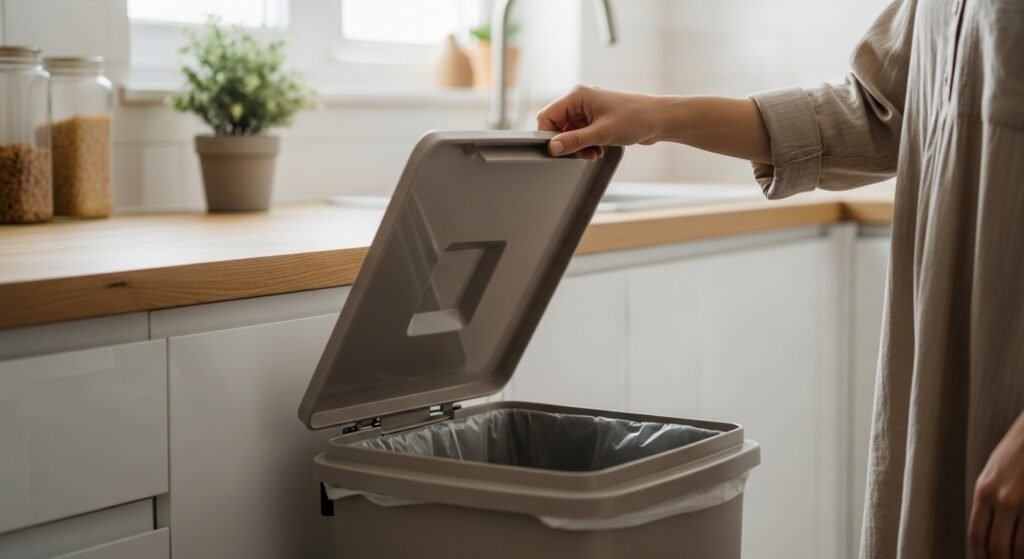
Trash containers collect food waste, packaging, and other materials that may carry bacteria. Even if a bin looks clean from the outside, the lid and surrounding surfaces often contain germs. Washing hands after taking out the trash prevents these contaminants from spreading to kitchen surfaces or personal items.