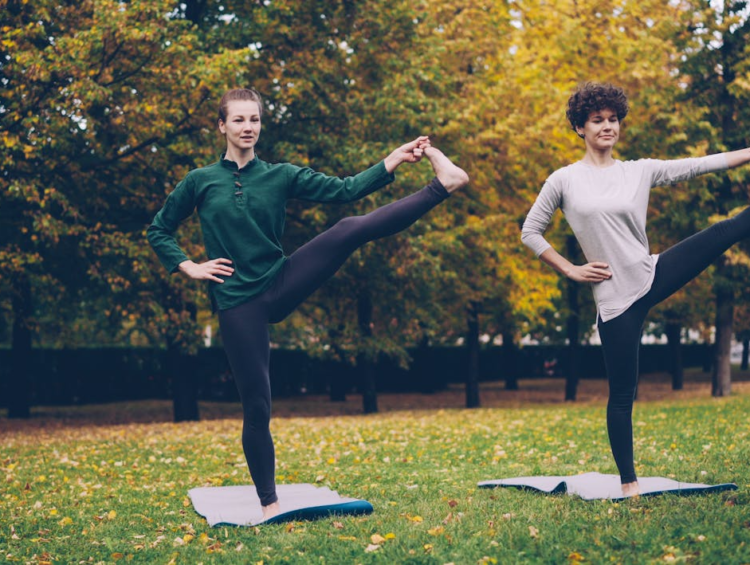
 Morina Gael
 Be it on a busy sidewalk or just to access a high shelf in the kitchen, being able to remain stable on your feet is something we usually learn without having to give it a second thought. The recent 2026 statistics provided by the Centers for Disease Control and Prevention reveal that regular stability training reduces the risk of injuries significantly. Simple movements that you can incorporate into your daily routine may potentially enhance your proprioception so that you may feel more confident and secure as you proceed with your favorite activities.
Single Leg Stance
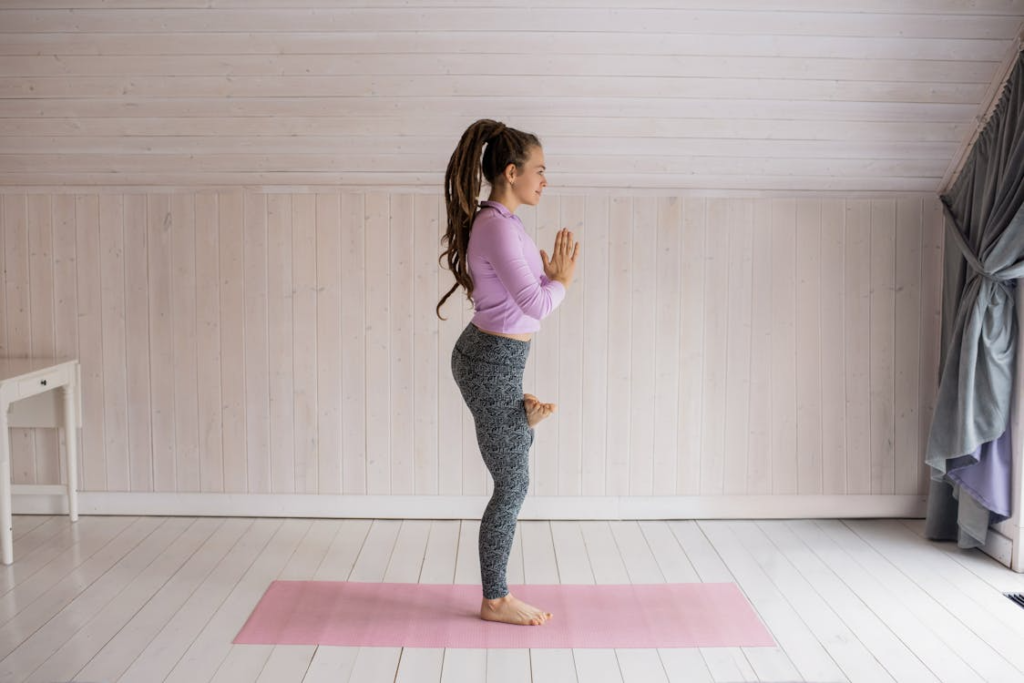
One of the most common challenges of stability is standing on one foot while brushing your teeth. According to gait & posture research, this easy routine could be used to tighten your core and ankles.
Standard Tree Pose
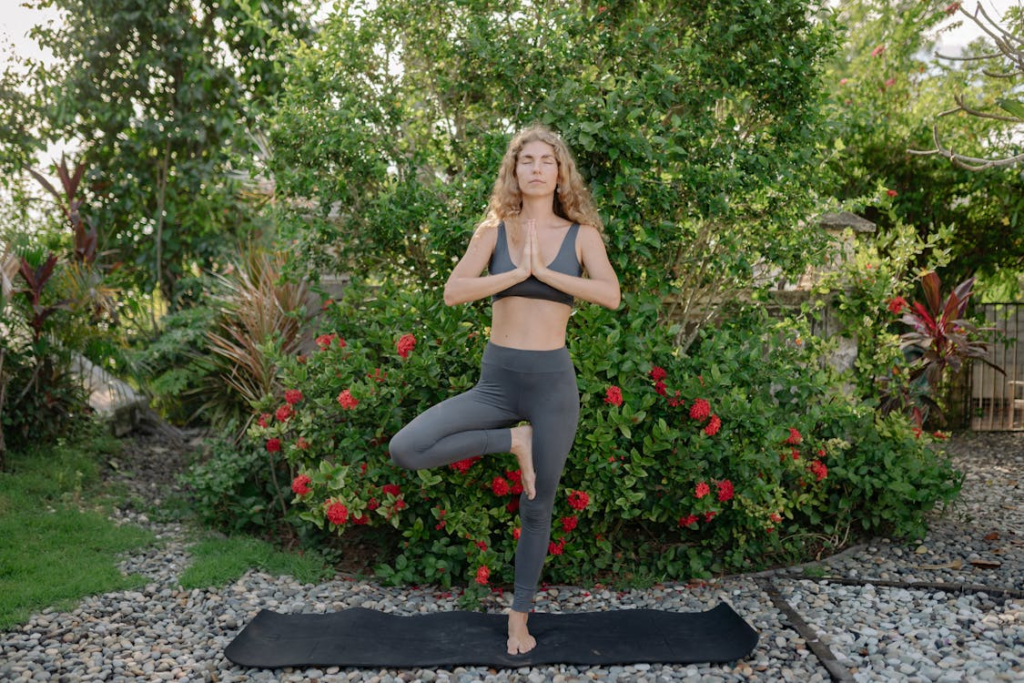
When standing upright, one foot elevated against your inner calf can help to center your gravity. This classic movement could possibly help increase your concentration and may also involve the stabilizer muscles of the lower limbs slightly.
Rocking the Boat
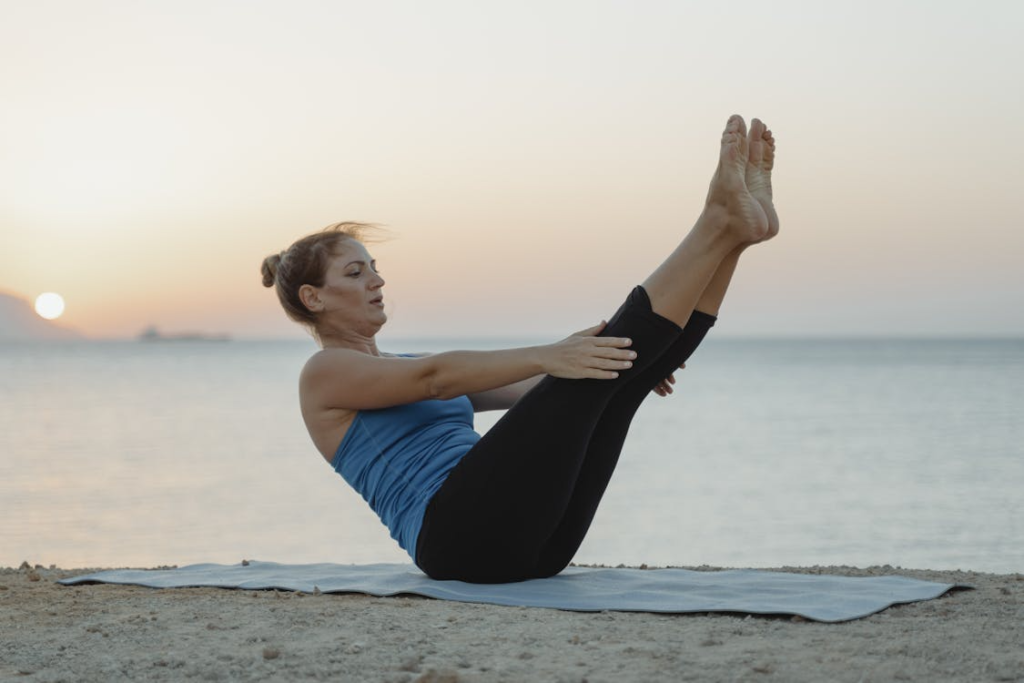
With feet hip-width apart, you can gently move your weight back and forth to begin. It can assist your body in adapting to the abrupt changes in weight.
Back Leg Raises
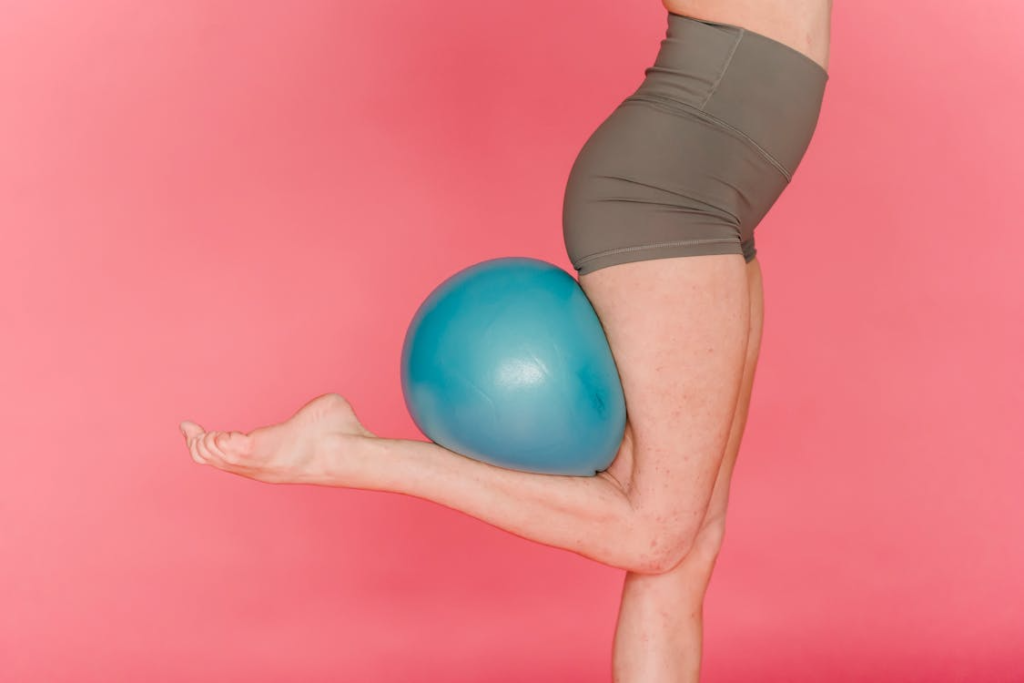
Standing up on one leg with no bending of the back will strengthen your glutes. In The Journal of Biomechanics, researchers have suggested that stronger muscles in the back contribute to overall stability.
Side Leg Lifts
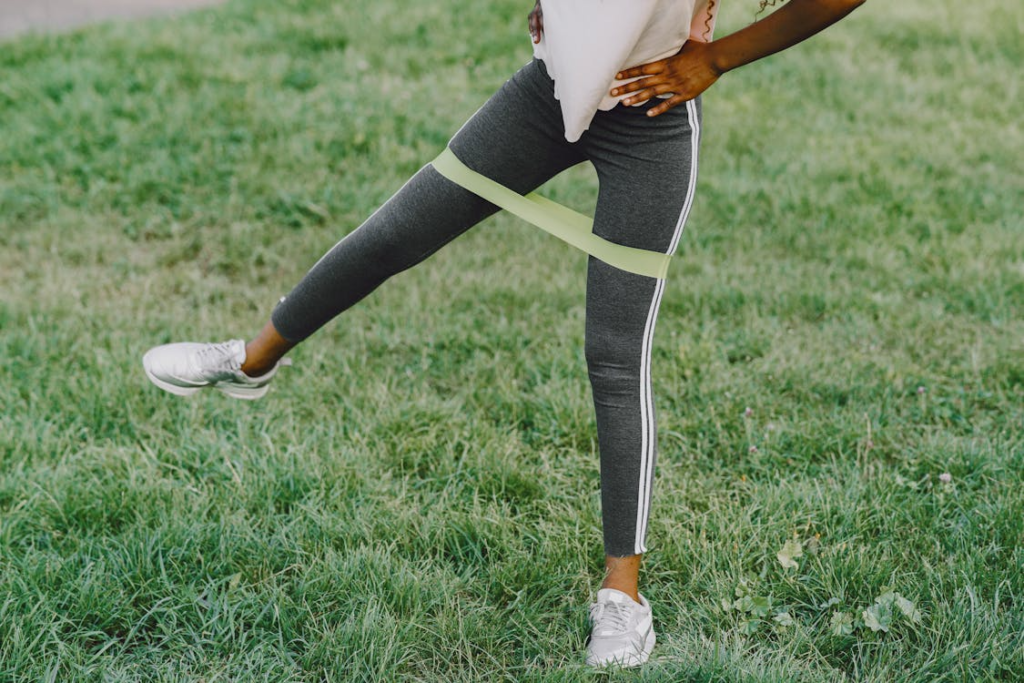
Lifting your leg sideways while holding onto a chair might increase your hip strength. It’s a sidestepping movement that could help avoid trips when you need to walk to the side or quickly change direction.
Gentle Clock Reach
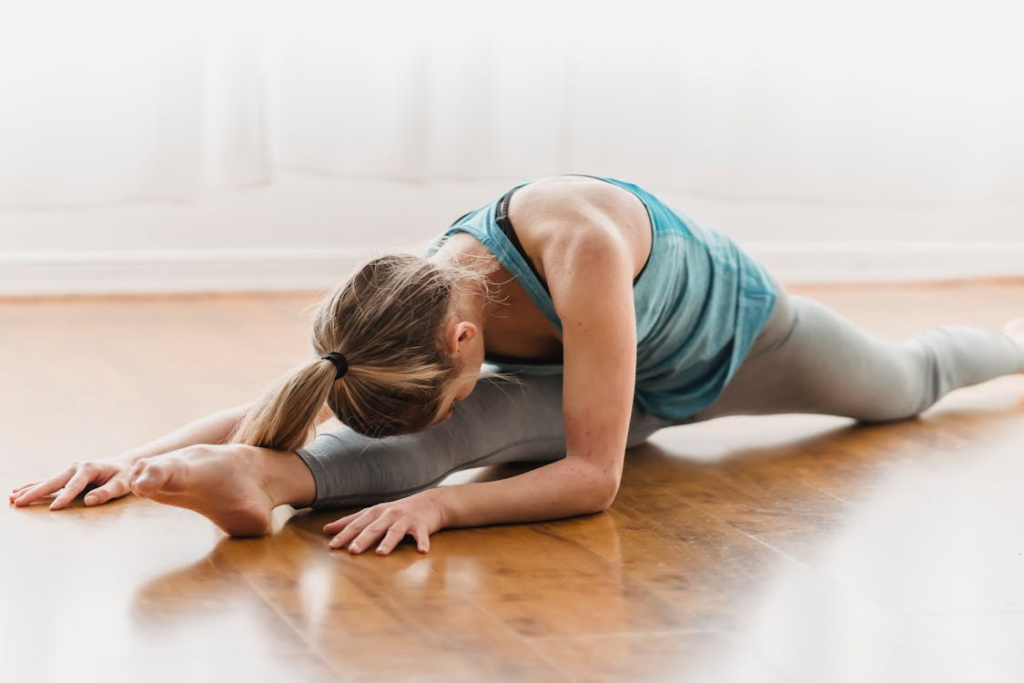
Suppose one is in the middle of a clock and extends one leg to the other hours. This dynamic exercise can enable your body to balance as it goes through different planes of motion throughout the day.
Sit-to-Stand Practice
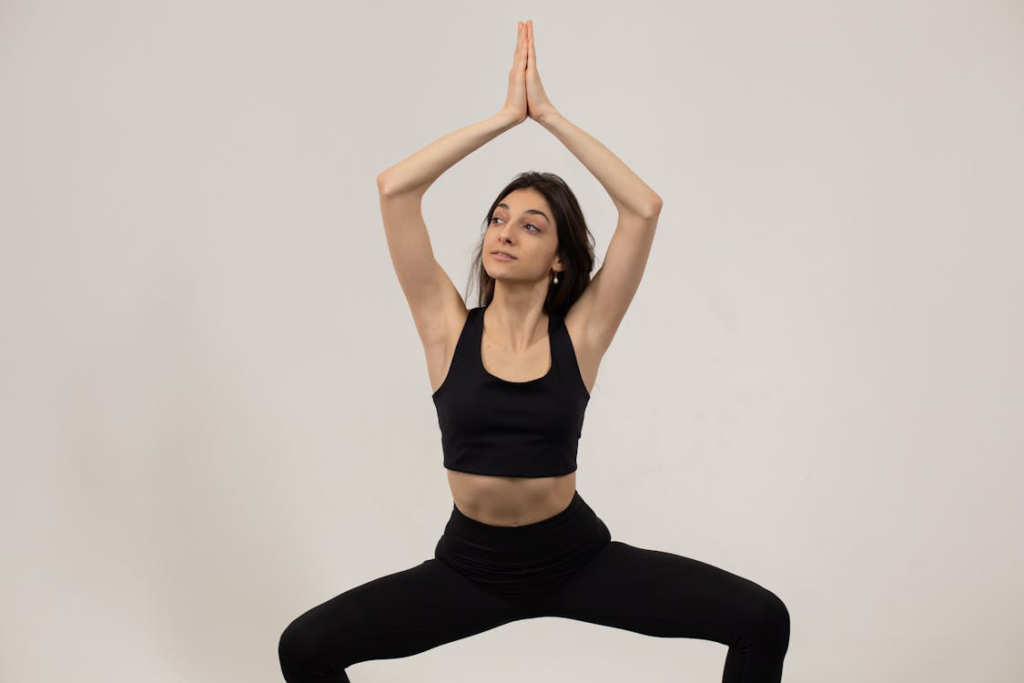
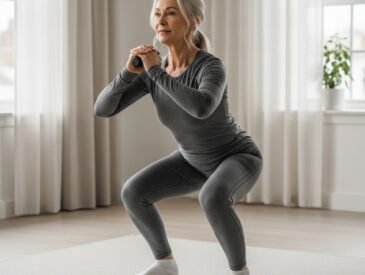
Squatting and standing on a chair without hands strengthens the legs. Clinical studies indicate that strength in the lower body is one of the important determinants in balancing our graceful aging.
Toe and Heel Walks
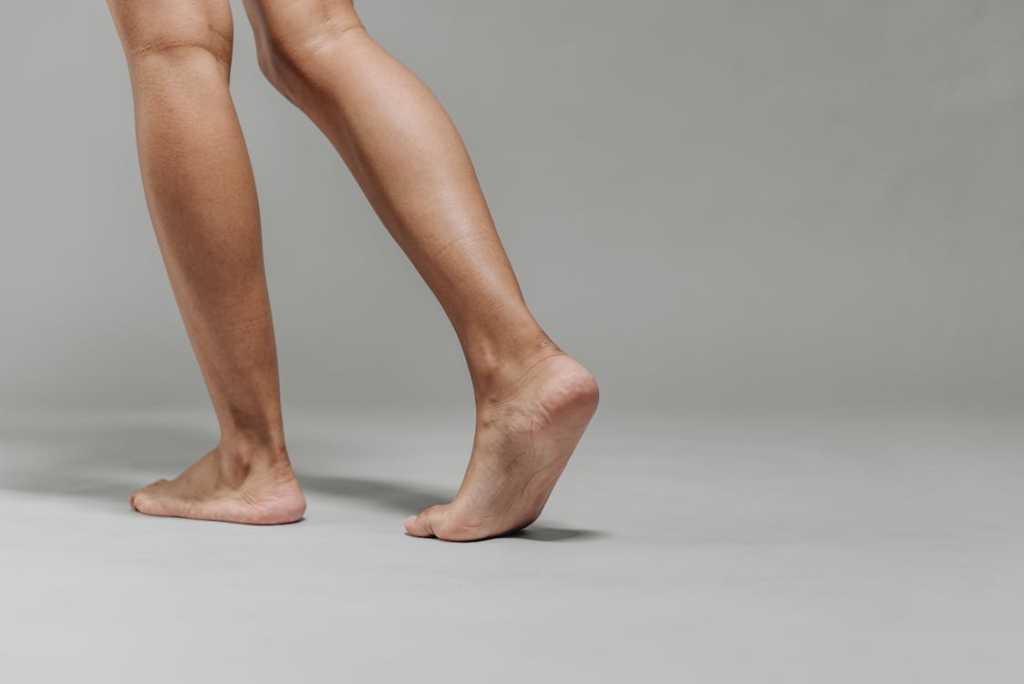
A couple of minutes of walking on your tiptoes and then heels will make your lower extremities stronger. This movement diversity can help your feet to adjust to other surfaces and textures faster.
Marching in Place
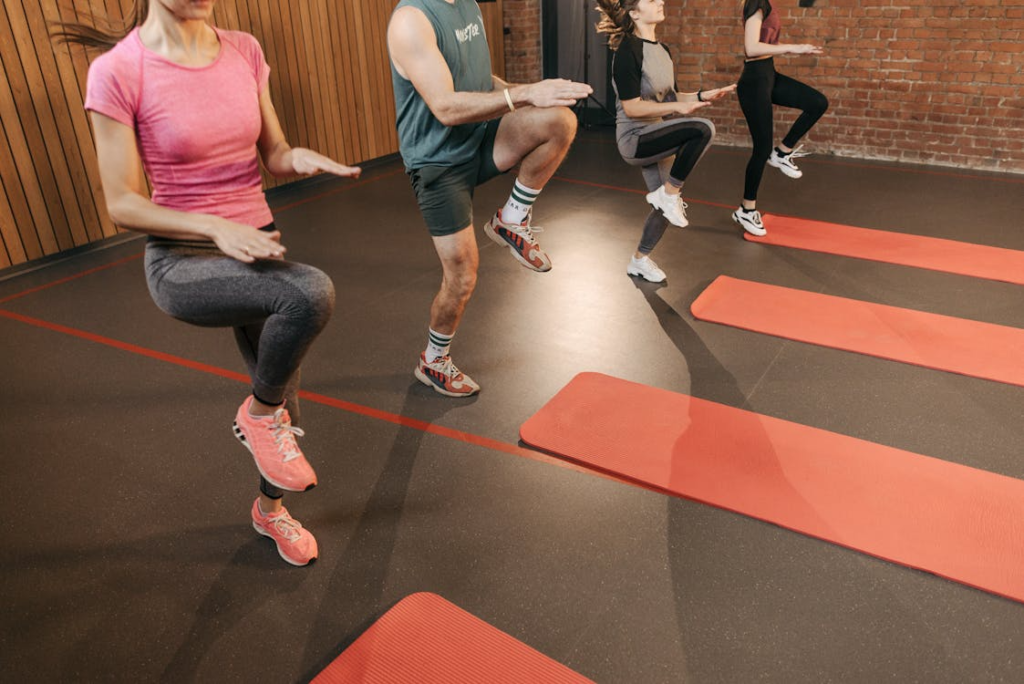
High knee marches are good for improving dynamic balance. This exercise may help keep your hip flexors stretched while slightly increasing your heart rate.
Tandem Standing
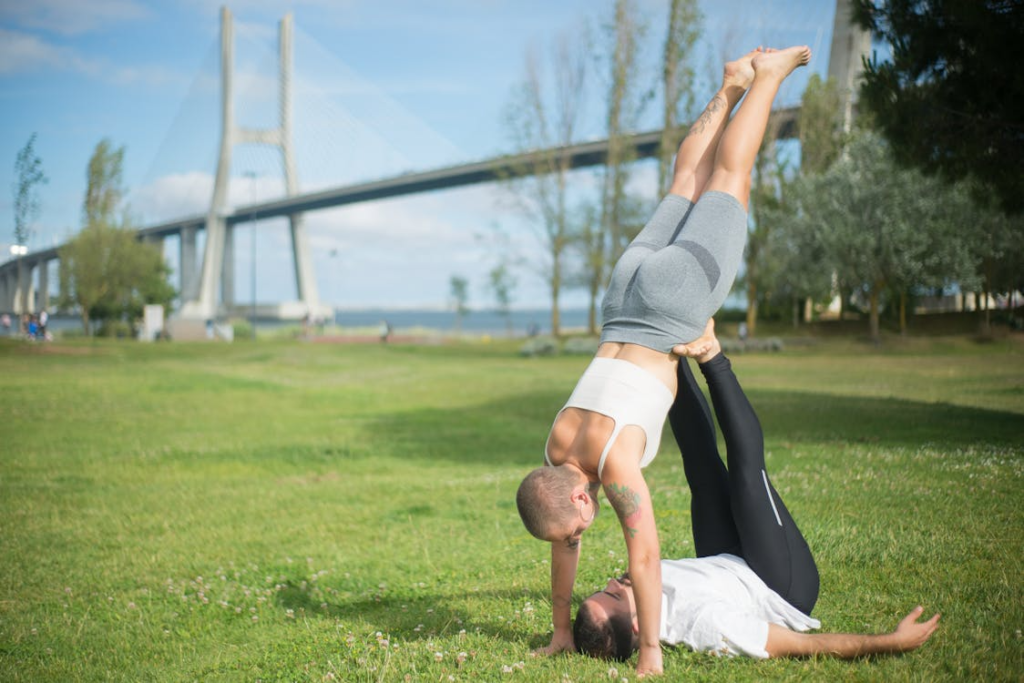
Standing on one foot in front of the other for 30 seconds is a static challenge. The small standing base can help improve your brain’s sense of balance.
Lateral Step-Overs
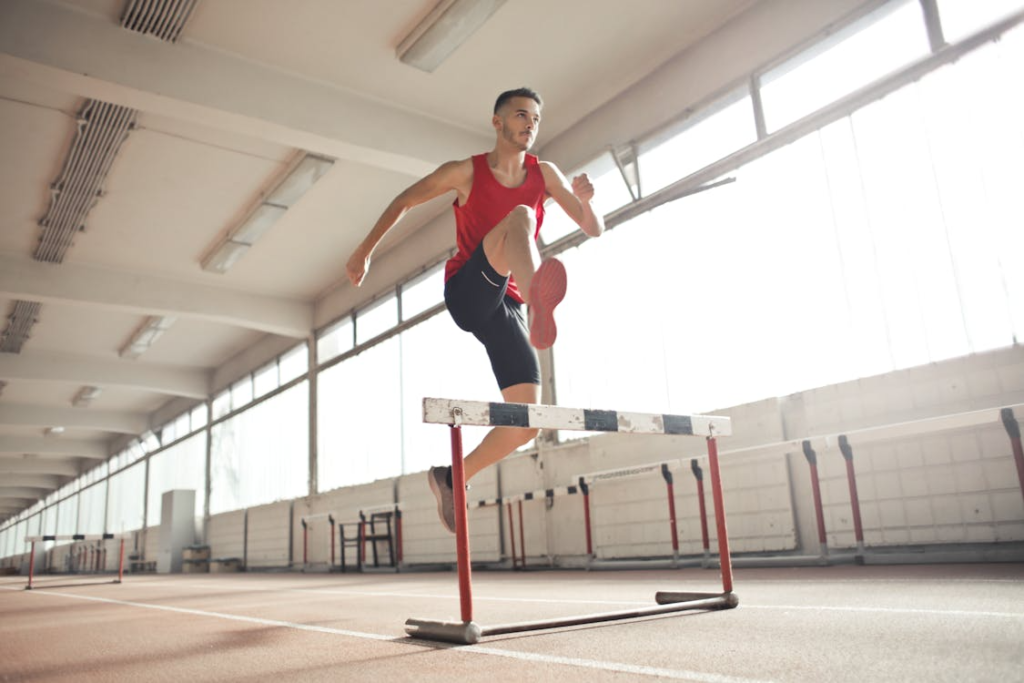
Agility can be trained by stepping over some imaginary line or a small object. Studies indicate that by practicing these managed hurdles, it is quite possible that real-life hazards of tripping will become considerably simpler to manage in a secure way.