
 Morina Gael
 White rice is a favorite pantry item that adds a certain comfort to any dinner table. But the more we are presently aware of our fitness ambitions, the more many are wondering whether this polished grain is a friend or a foe. According to recent metabolism research in the BMJ, having a high daily intake may be connected to an increased risk of type 2 diabetes, which may lead to a further examination of our favorite side dish.
High Glycemic Index Impact

White rice is very high in the glycemic index and can lead to a rapid spike in your blood sugar. According to studies carried out in Diabetes Care, this sudden increase may cause one to become hungry later in the day.
Stripped Nutritional Value
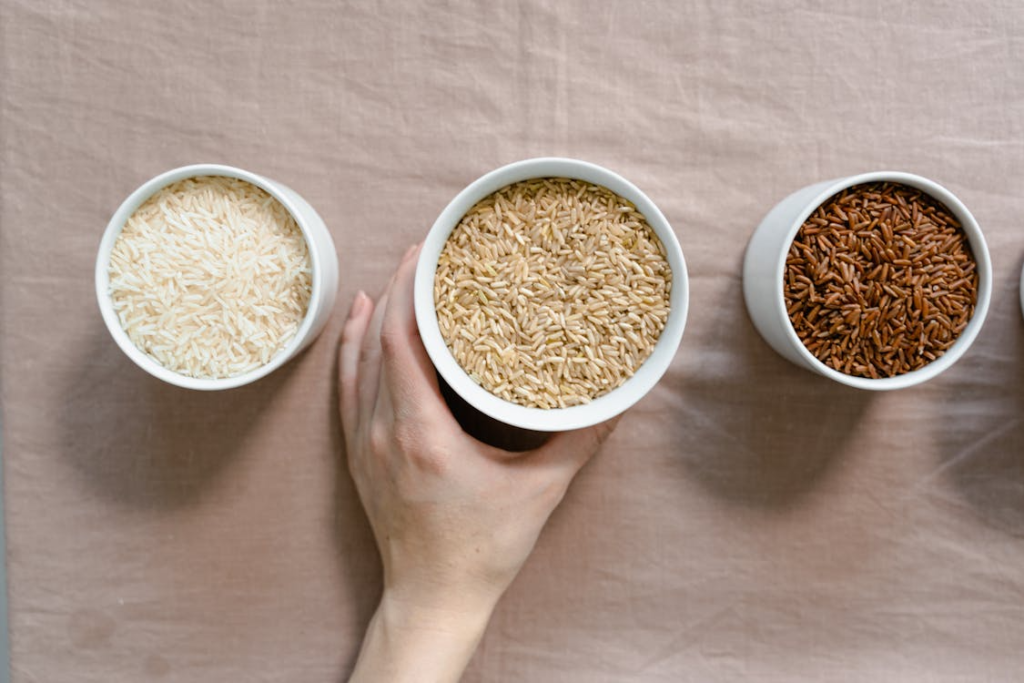
The bran and the germ are extracted in the process, and thus the content of the fiber is considerably decreased. Such a fiber deficiency may require a little more effort on the part of your digestive system to remain regular.
Potential Weight Management Hurdles

It is not as filling as brown rice; hence, you may end up consuming more of it. Nutritional studies indicate that excessive intake of refined grains may be the cause of slow weight gain with time.
Arsenic Exposure Concerns

Compared to other crops, rice plants are the natural absorbers of arsenic in the soil and water. Long-term daily intake may result in increased amounts of this element in the body.
Risk of Metabolic Syndrome

The question of the possible relationships between a high intake of refined white rice and metabolic syndrome has been examined. According to scientists in Nutrients, this could include increased blood pressure and measures of waist circumference.
Reduced Vitamin B Intake

The polishing process eliminates most of the naturally occurring B vitamins. Although most brands have been fortified, using the processed ones could also imply that you are not absorbing the rich nutrients in whole grains.
Impact on Energy Levels

The rapid burst of energy provided by white rice may wear off easily and may cause a carb crash. This may make you feel drowsy during your afternoon exercise rather than being on fire and prepared.
Blood Glucose Fluctuations

The regular day-to-day ingestion may create difficulties in the body’s management of insulin. This may possibly put extra stress on the pancreas throughout many years of life.
Lack of Essential Minerals

The minerals such as magnesium and phosphorus are also vital and are mostly lost during the refining process. Their absence may have a possible impact on the health of bones or muscle activity, which may be offset by a healthy diet.
Influence on Heart Health
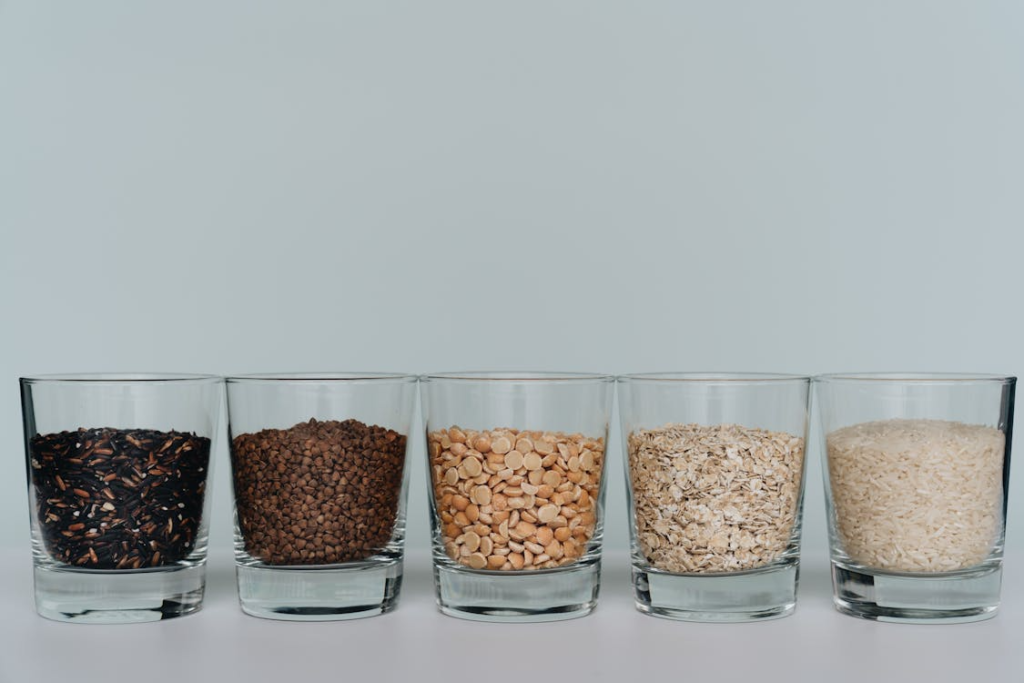
Other scientists have investigated the impact of refined grain foods on cardiovascular health. The American Journal of Clinical Nutrition studies indicate that the replacement of whole grains could possibly have positive long-term heart effects.
Potential for Inflammation

Markers of systemic inflammation are occasionally related to high-glycemic diets. Although this may not be true of all, there are some experts who argue that a decrease in refined starch could possibly leave your body feeling balanced and re-energized.
Impact on Gut Microbiome

A diet that is not rich in a variety of sources of fiber may be less favorable to gut bacteria. It has been suggested that different types of whole grains could be more adaptable to keeping an internal microbial habitat healthy and thriving.