 Morina Gael
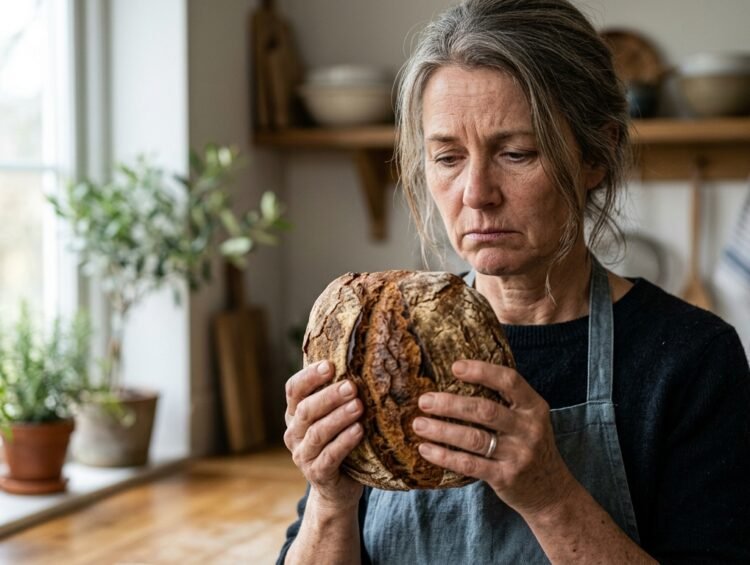
 Nothing can compare to the heartbreak of going to seize a slice of sourdough only to find out that it has become a brick. Although some of us immediately place our loaves in the fridge, we find that food scientists at the Kansas State University Agricultural Experiment Station would suggest that this may actually increase staleness. The chemistry of starch retrogradation could possibly be the key to maintaining your favorite bakery’s soft and delicious products.
The Starch Retrogradation Effect
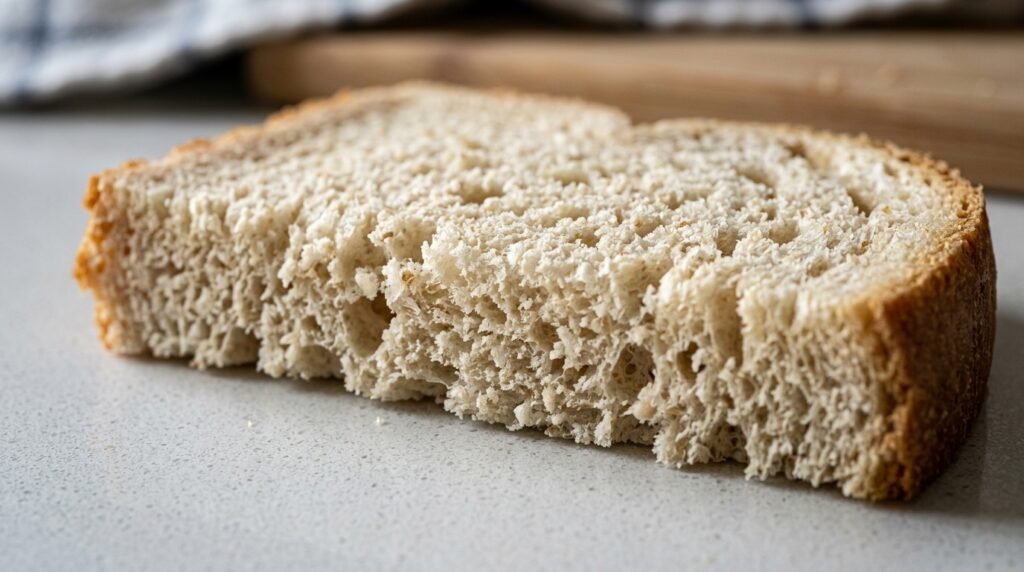
Bread kept in cold conditions can have a faster rate of crystallization of starch molecules. This is what is referred to as retrogradation; according to research in the Journal of Food Engineering, this process may cause your bread to taste stale much faster.
Bread Boxes Work Wonders
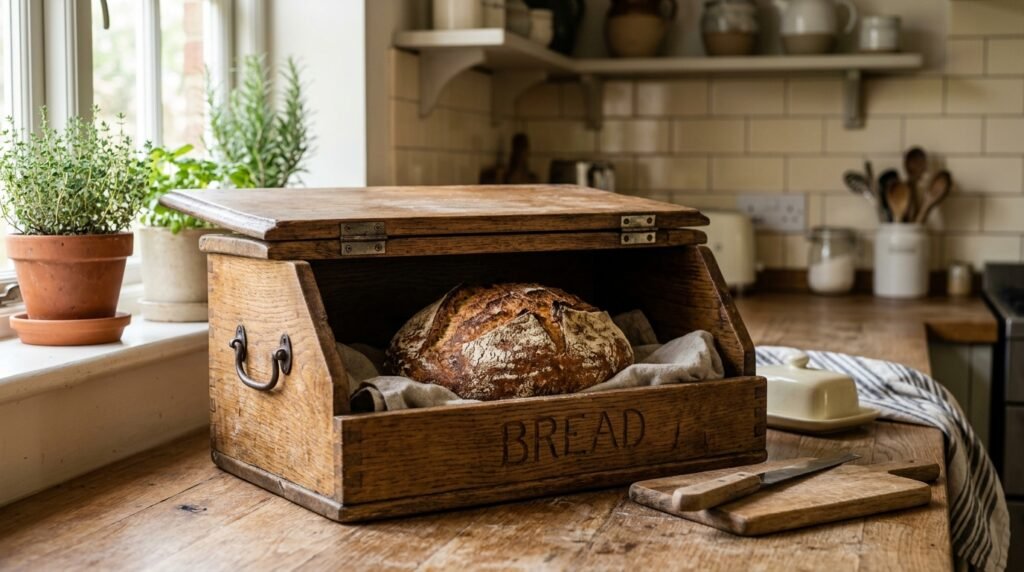
A classic bread box is created so that it balances the circulation of air as well as moisture retention. Such a specialized environment may be useful in keeping the crust crisp and keeping the inside soft enough to make a good morning sandwich.
Paper Versus Plastic Bags
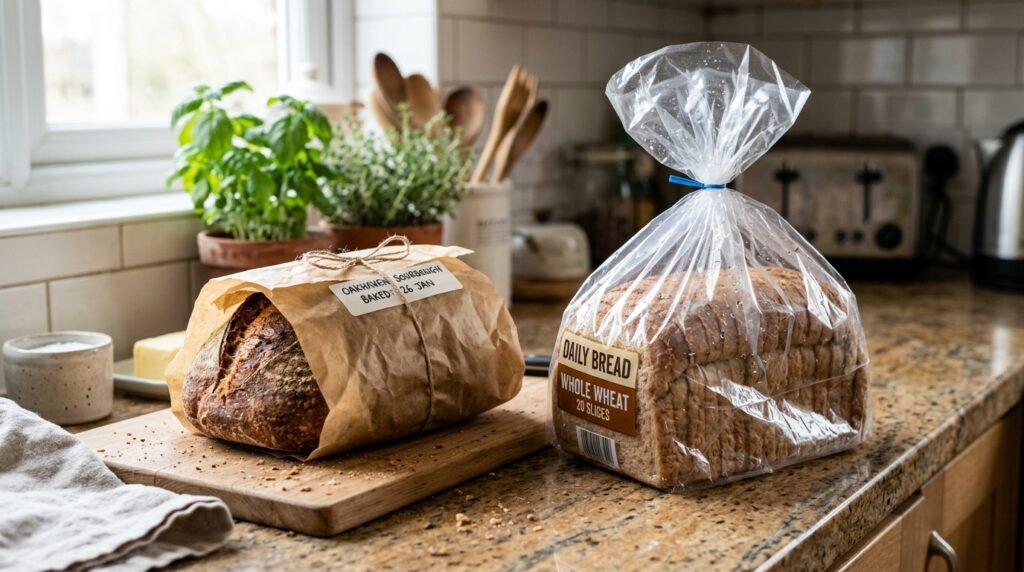
Plastic preserves the moisture, which may promote the growth of molds in case the kitchen is hot. Paper, on the other hand, will allow the bread to breathe, but it also might result in a faster drying process of the artisanal, crusty loaves.
Freezing for Long-Term Storage
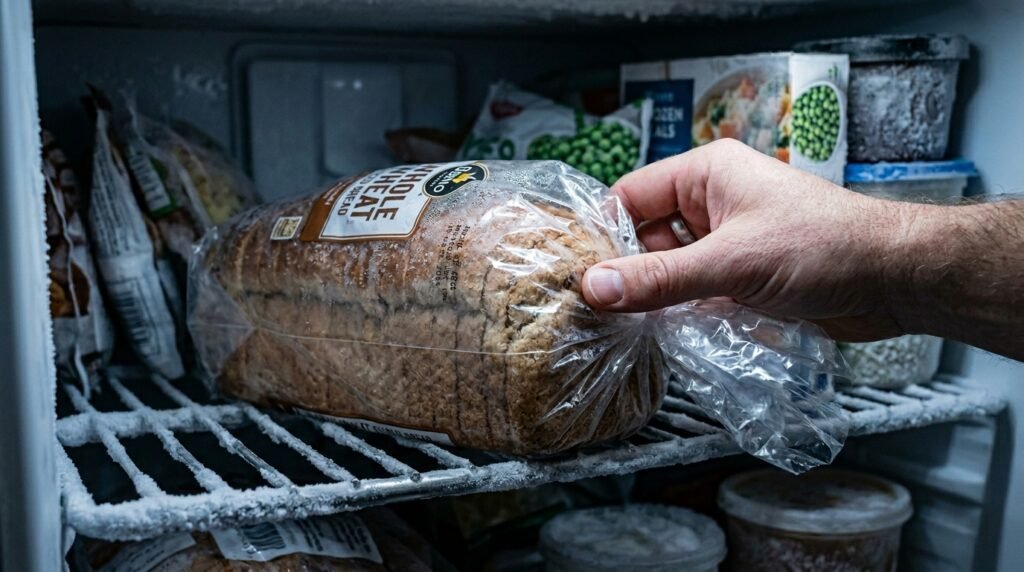
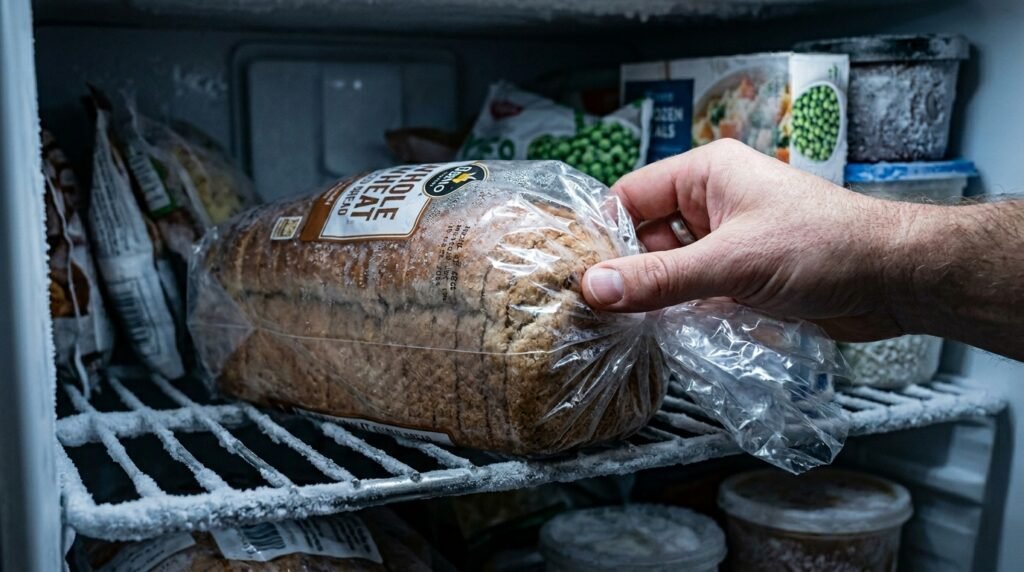
When you are not able to complete a loaf in a short time, the freezer is usually thought of as a better friend than the fridge. In USDA food safety guidelines, freezing is an effective method to stop the staling process without causing damage to the structure.
The Role of Preservatives
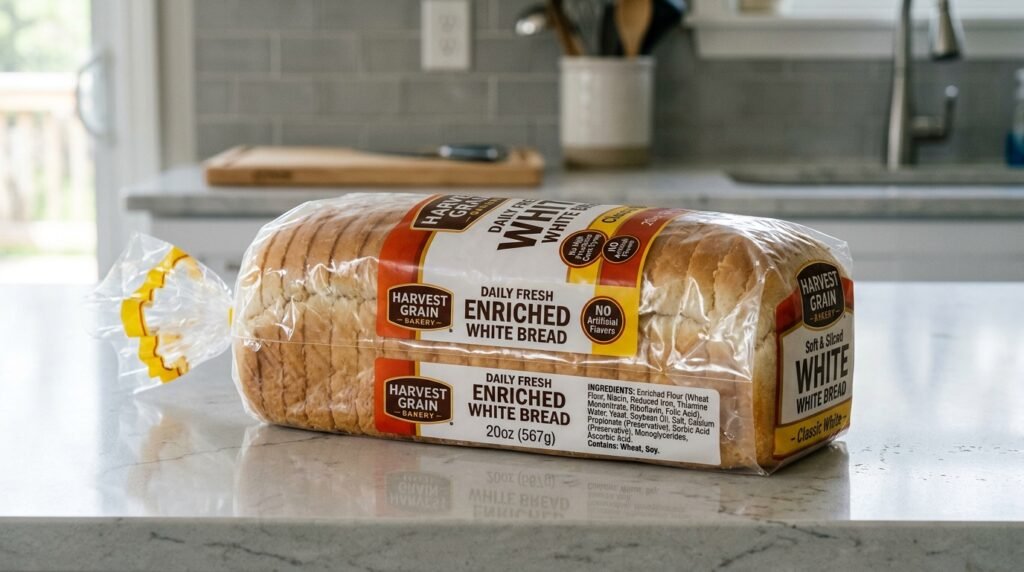
Calcium propionate is commonly used in commercial breads to prevent molds. Due to these additives, your average grocery store loaf could last on the counter significantly longer than a loaf of the same type that is made without any additives in a local bakery.
Avoid the Top of the Fridge
This may be considered a nice place to put stuff, but the top of the refrigerator tends to release heat. This added warmth may actually accelerate the process of mold spoilage, making it a not-so-perfect home to bread.
Watch for Signs of Spoilage
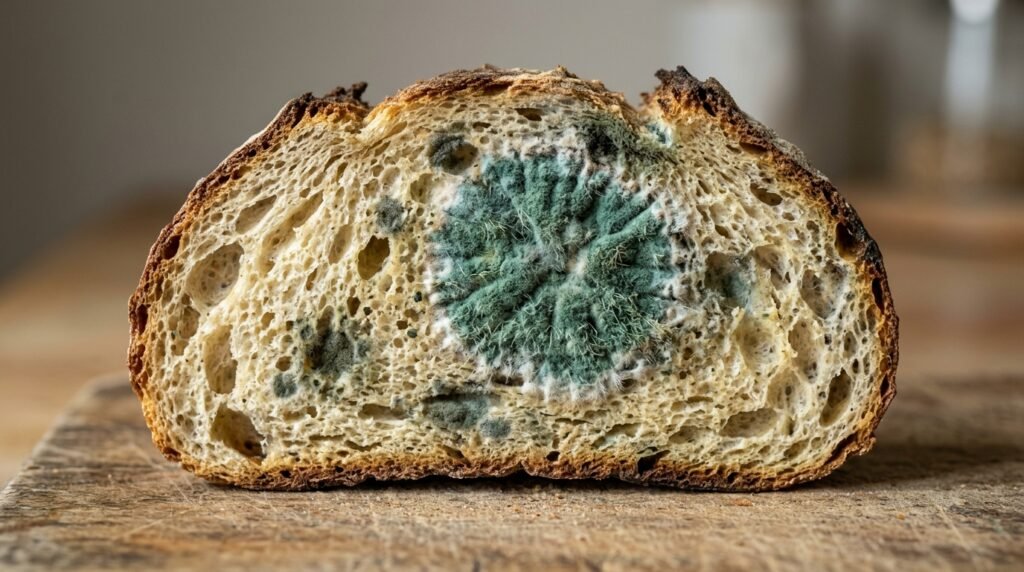
Although we would like to extend freshness, the sight of visible molds is a definite way to know when to let go. The experts indicate that even after the bread has just a single tiny spot of mold, the roots of the mold may extend significantly deep into the porous bread.
The Texture of Homemade Bread
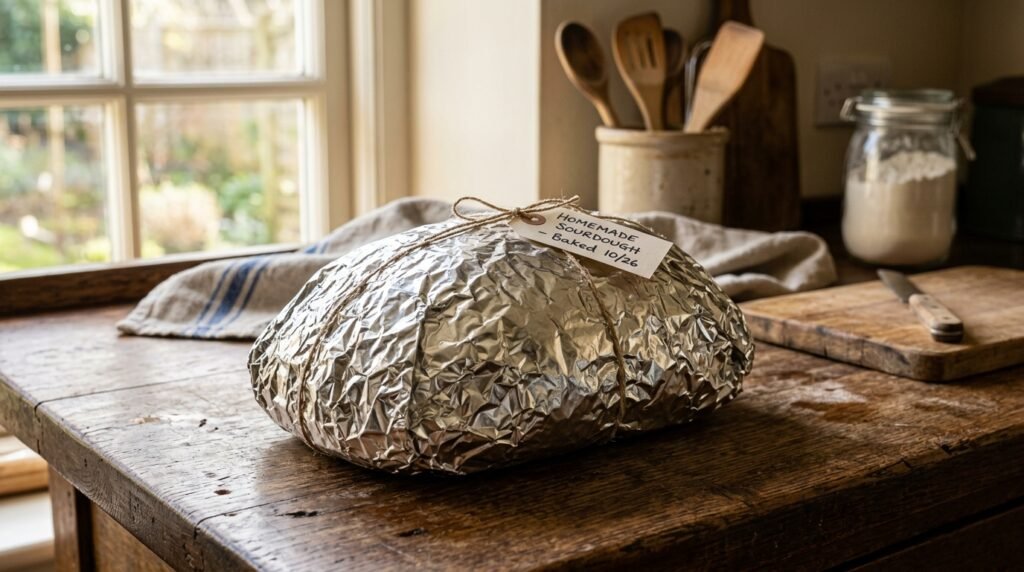
Homemade loaves do not contain emulsifiers, as in the industrial brands, and may therefore go stale in a day or two. Having them wrapped up tight in foil may have a tendency to keep them wet longer.
Linen Bags for Crusty Bread
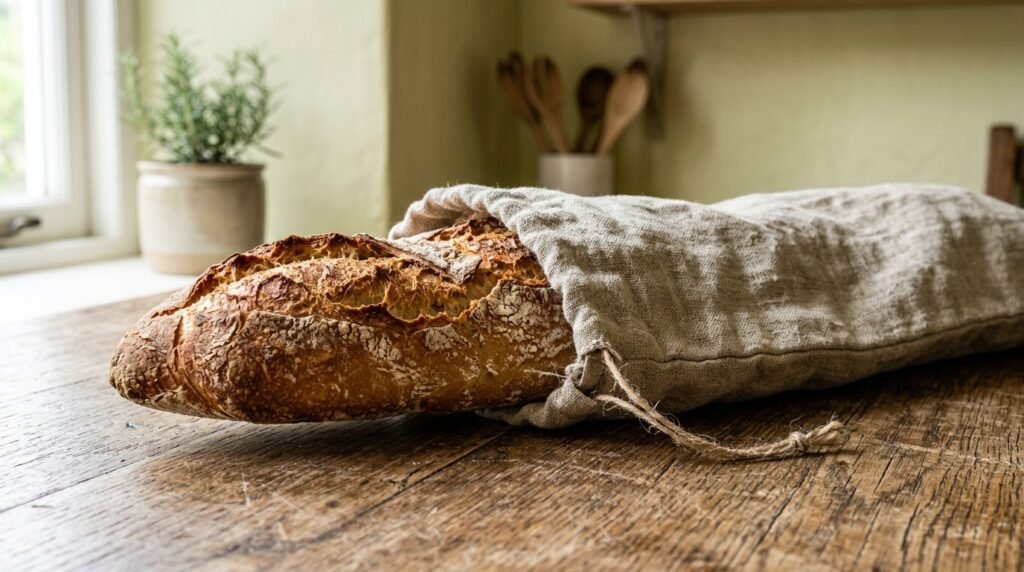
To the lovers of a baguette, a linen bag may be the best compromise. It keeps the loaf free of dust and yet permits enough air circulation to possibly prevent the crust from becoming rubbery.
Temperature Consistency Is Key
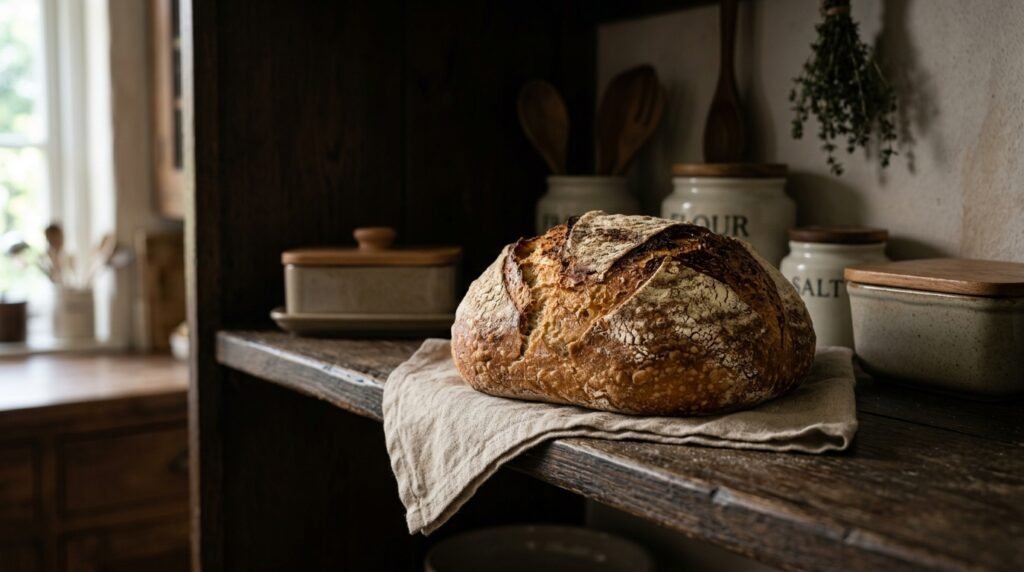
The temperatures can fluctuate in a kitchen and cause condensation in the bread bags. A low-level position without any windows may possibly help in keeping your bread out of a breeding ground of unwanted spores and premature spoilage.