
 Morina Gael
 That constant running commentary in your mind can be overwhelming at times, most of all during stressful weeks, seemingly endless scrolling through Twitter, or when lying awake in bed late at night. Mental health researchers at the American Psychological Association, as well as a recent review of research published through the National Institutes of Health, have looked into whether and how self-talk can influence stress, mood, and confidence. The silver lining is that just a few simple everyday practices may gradually diminish the severity of that internal voice. Most aren’t seeking eternal happiness; they merely wish for their inner voices to be just a bit more gentle.
Name the Voice First

There are therapies that suggest not to identify with negative thinking but to identify it by name. It’s been suggested that it’s helpful to give the inner critic a name so you don’t get emotionally invested in it as much when you are stressed.
Pause Before Believing Everything
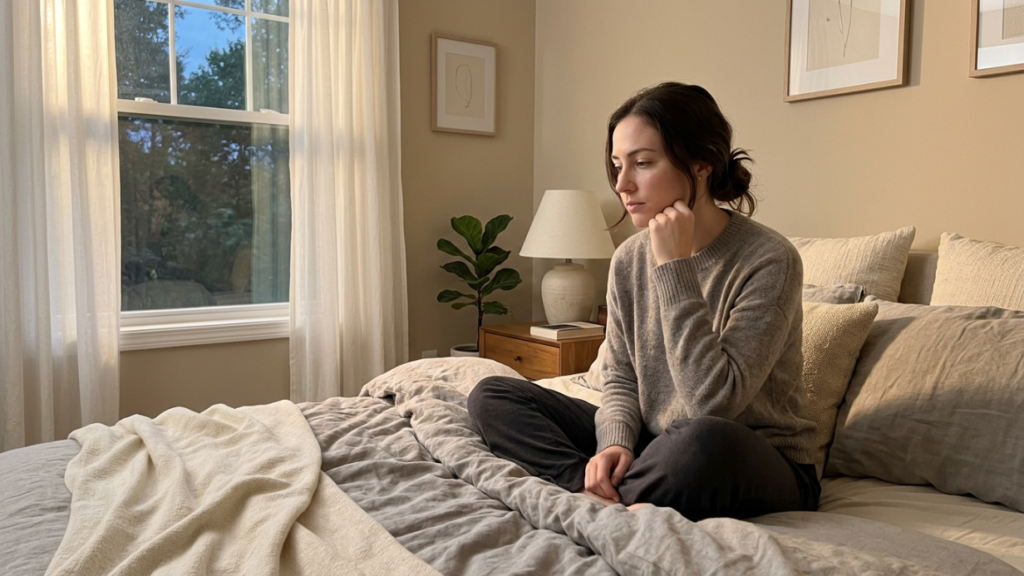
Not all thoughts are best to accept. When using cognitive behavioral therapy, research is frequently directed not at the automatic negative thinking patterns but instead at questioning them and not taking them as “facts.”
Talk to Yourself Like a Friend

People tend to be more critical of themselves than they are of others. Investigations into the benefits of self-compassion at the University of Texas at Austin group are investigating whether more gentle self-talk can facilitate more resilient responses.
Stop Doom-Scrolling at Night

Scoping late at night can cause anxious thinking for some. Stress and an irregular sleep schedule are common associations made by sleep researchers and excessive screen time.
Write the Thought Down

Journaling can help to structure thoughts that may be overwhelming to simply float away. In stressful times, many therapists assist their patients with writing exercises as a means of aiding emotional processing.
Notice the Trigger Moments

At times, your thinking of self-criticism can be repetitive in particular circumstances. Recognizing the influences of work tension, social media, or fatigue on your mental state could assist you in exerting control over your emotional state.
Spend Less Time Comparing

Self-criticism may be intensified by comparisons to other individuals, in particular comparisons to others online. Research that has been linked to social media use has focused on examining the relation between comparison tendencies and negative affect.
Focus on Facts, Not Feelings

When we’re under stress from time or a situation, we sometimes believe that our perceptions are somehow “true” assumptions of what is happening are actually true. Breaking down reactions to examine facts, even if it’s only momentarily, can provide a more realistic perspective.
Breathe More Slowly

Paced breathing can be used to relax the nervous system when it is overstimulated. There has been some research that indicates controlled breathing may help to manage stress as well as emotions in the short term.
Talk to Someone You Trust

Negative thoughts can be heightened if alone. It is beneficial to use a helpful mental health worker or a meaningful dialogue partner to effect a positive stress mechanism.