
 Morina Gael
 Life in the modern United States can often be a constant barrage of alerts, traffic, and overscheduled lives. The study, published in Frontiers in Human Neuroscience, indicates chronic low-grade stress may change our physiological baseline without our awareness. If the alarm system in the body is always on, the cues are not as dramatic as the warning. If you are beginning to notice these subtle signs, that may be the first step towards true and deep relaxation.
You React Heavily to Sudden Noises
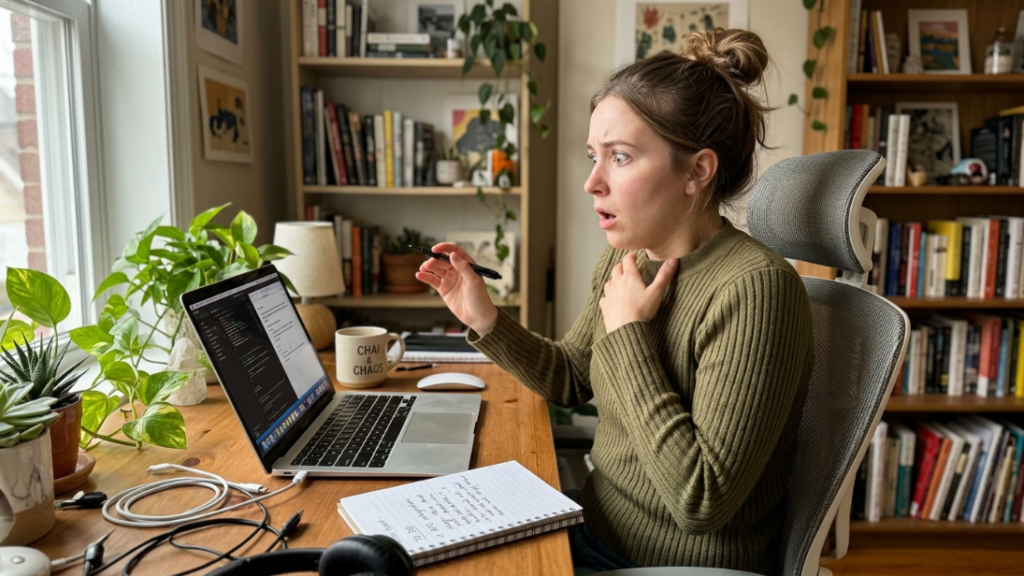
An exaggerated startle response may be evidence of an increased sympathetic baseline. One psychophysiology study reveals that a constantly alert brain may be hyperattuned to minor auditory surprises as ‘dangerous’ things in the environment.
Your Jaw Feels Constantly Clenched

Many people have tight neck muscles or clench their teeth when they are awake or while they are doing their daily activities. This may simply be the result of subconscious, continual muscular stress bracing, says the Journal of Oral Rehabilitation.
Your Breathing Feels Consistently Shallow

Most breathing may be a habit you are unconsciously doing from the chest instead of the diaphragm. Biological psychology suggests that shallow breathing may sometimes create a cycle that may feed a recurring, low-level anxiety cycle.
You Experience Frequent Muscle Twitches

Tiny spasms of the eyelids or legs may be annoying during relaxation. The study published in Neurology indicates that long-term stress hormones may be an easy way to make peripheral nerves more excitable.
Your Stomach Feels Easily Upset

Our inner climate has a significant impact on the gut-brain axis. From the point of view of gastroenterology, a restless nervous system may oftentimes change the normal function of digestion, resulting in bloating and discomfort or sudden changes in motility.
Your Hands Feel Often Cold

Cold hands in warm rooms could be a sign of more than poor circulation. According to Psychosomatic Medicine, stress-induced vasoconstriction can cause the blood to be diverted from the extremities to major organs.
You Feel Oversensitive to Bright Lights

Fluorescent store lights or screens may begin to seem very overwhelming. According to a Brain Research study, a fatigued nervous system may not be able to distinguish excessive sensory input.
Your Memory Feels Slightly Foggy

Losing your car keys and forgetting what you went into a room for happens to everyone. But the Journal of Neuroscience indicates that, in the short term, it may be possible that long-term stress may affect short-term working memory.
You Notice Rapid Heart Rate Fluctuations

It’s shocking when you feel a flutter in your chest at a quiet time. Lower HRV tends to be associated with a system that doesn’t get a restful sleep, according to Circulation.
You Overthink Casual Conversations

If you’re replaying a minor chat with a colleague for hours, it could be a sign of an overactive threat-detection system. Behavior Research and Therapy associates this rumination with a mind that will always feel unsafe.
You Feel Anxious When Things Settle

It’s an odd and disconcerting paradox that when you have a chance to relax, you feel uneasy. Sudden quietness can be misinterpreted by a highly stimulated mind as a “crisis,” according to Clinical Psychological Science.