 Morina Gael
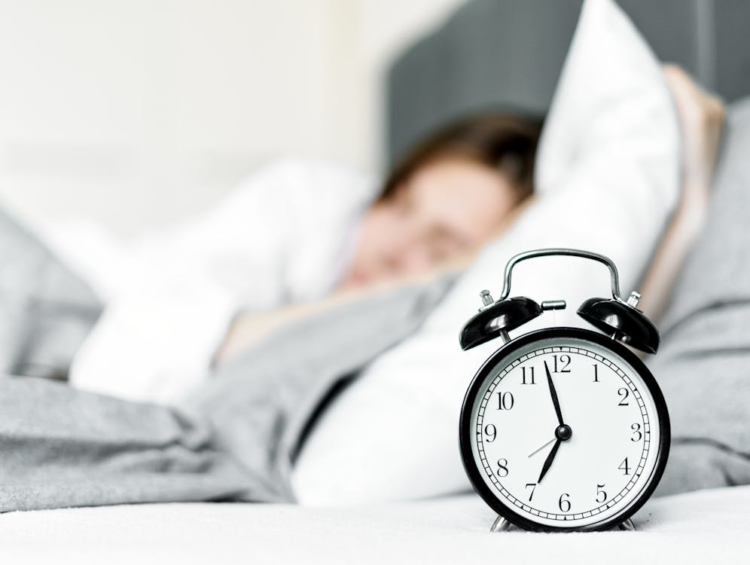
 Everyone has experienced those mornings when an alarm seems to be a personal assault and the afternoon depression strikes earlier than lunch has even been eaten. According to recent statistics provided by the National Sleep Foundation, almost half of Americans experience sleepiness throughout the week, which has an effect on mood and productivity. Although it is undoubtedly true that life is hectic, we can do little to alter that without making minor changes in our day-to-day routines, which can be supported by clinical evidence published in such journals as Nature.
Prioritize Early Morning Sunlight

Going out a few minutes after getting up can also help to control your circadian rhythm. Health & Place Research indicates that exposure to morning light may lead to better sleep and reduce evening stress through cortisol level regulation.
Embrace Short Power Naps

The fast twenty-minute rest may increase alertness without making one feel groggy. Research at the Mayo Clinic indicates that short naps can possibly enhance mood and response time amid a lengthy, hectic workday.
Try Mindful Box Breathing

Certain breathing can also relax the nervous system in times of high-stress situations. There is clinical evidence that slow, purposeful breathing might help to reduce your heart rate and help the body to become more relaxed.
Create a Cool Environment

The key to a good sleep may be to sleep in a room that is maintained at approximately 65 degrees. According to the study of thermobiology, a lower temperature of the core may potentially help you fall asleep much more quickly.
Establish a Solid Routine

Biological predictability is formed by going to bed and waking up at the same time each day. Such regularity can possibly reinforce your sleep-wake rhythm so that you can rise up feeling truly rejuvenated.
Practice Progressive Muscle Relaxation
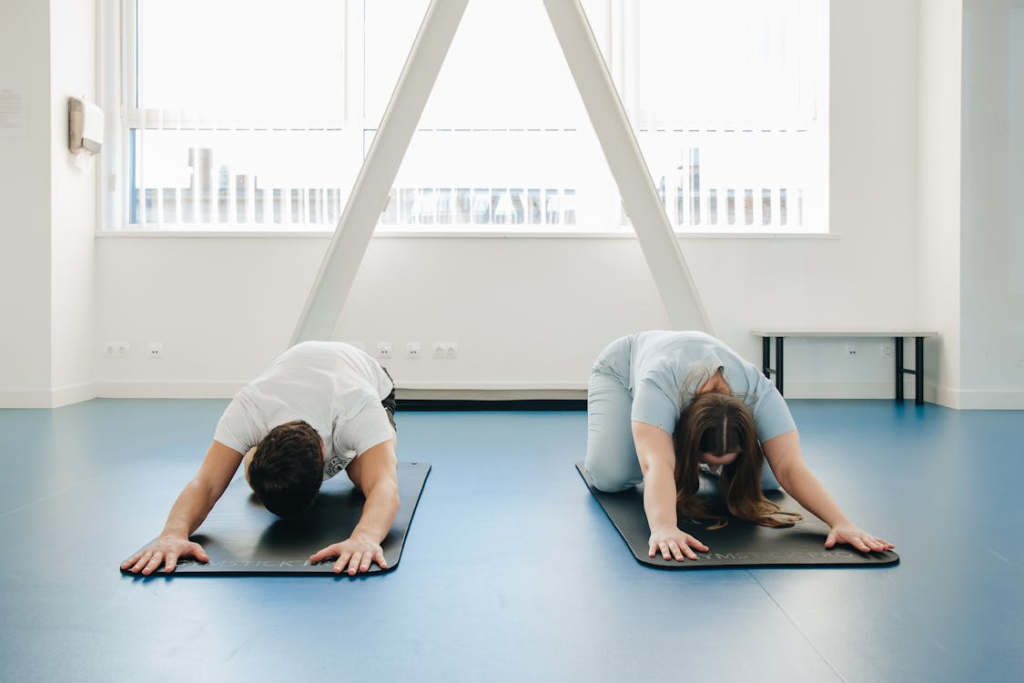
Clenching and then unclenching various muscles could be a signal to your brain that you are to relax. This exercise can be used to possibly decrease physiological manifestations of daily stress and anxiety.
Enjoy an Early Dinner

Having a heavy meal too late in the evening may bring about some discomfort in the digestive system that may not allow you to sleep. Eating your last meal earlier in the day might possibly enable your body to devote all its energy to rest and repair.
Write Down Your Worries

Write down your list of things to do in a few minutes, which could clear your mind. Studies indicate that being able to take your thoughts outside yourself might possibly reduce evening anxiety and assist your mind in relaxing into a silent state.
Seek Natural Green Spaces

Nature has been associated with reduced instances of psychological distress. Taking a brisk walk in the local park can actually help cheer you up and help your mind get the necessary rest.