 Morina Gael
 The biggest problem with a good Caesar salad is when the leaves are wilting and slimy in the fridge. Maintaining the crispness of romaine may seem like a time-management challenge, but according to agricultural research at the University of California, it’s all about moisture management. Knowing how respiration and humidity affect leafy greens may help to prolong the storage life of your produce and put an end to your money-wasting nights.
Choose the Firmest Heads

The store is where quality starts. Some heads have bright, dense leaves without any brown spots, and they may be heavy for their size.
The Paper Towel Trick
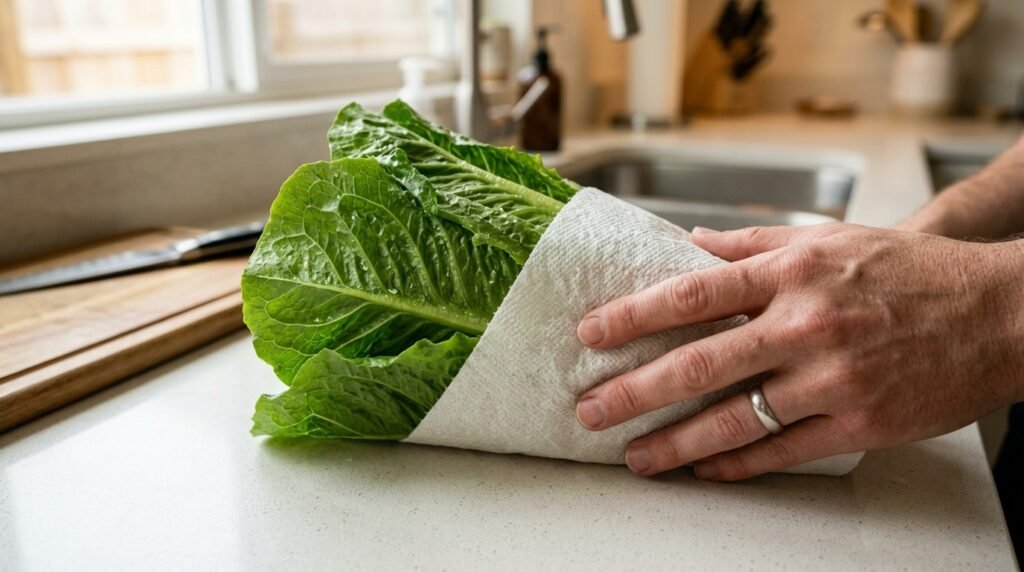
A simple change of wrapping your lettuce in a dry paper towel might make all the difference. This is a technique that might be helpful in absorbing moisture that causes bacteria to grow and that annoying ‘slime’ that gives the product a sad, unappetizing appearance.
Use a Salad Spinner
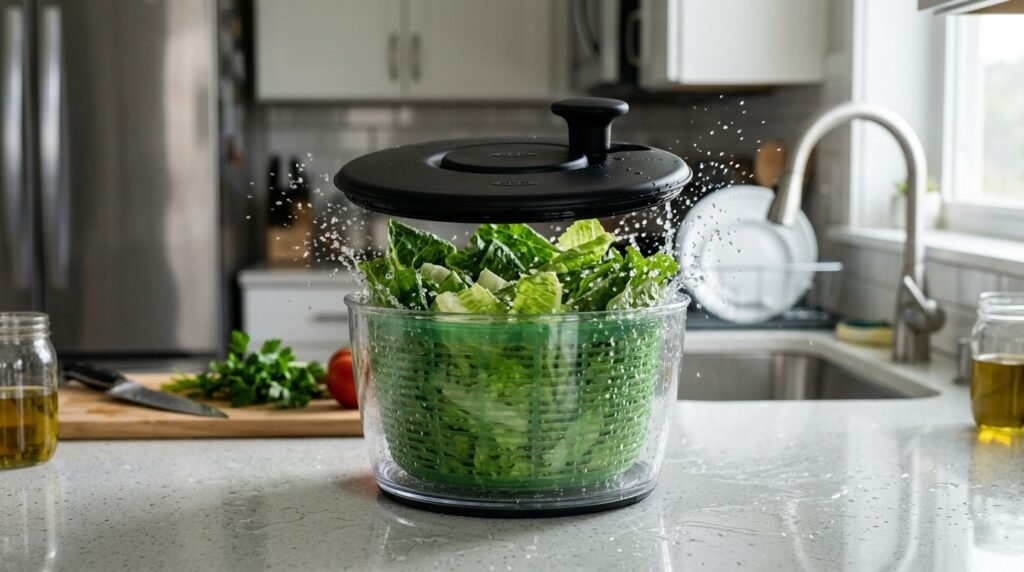
A salad spinner is almost a must-have if washing romaine prior to storage. Soaking the leaves as thoroughly as possible may help to prevent them from getting soft prematurely during storage in the refrigerator.
Breathable Storage Containers
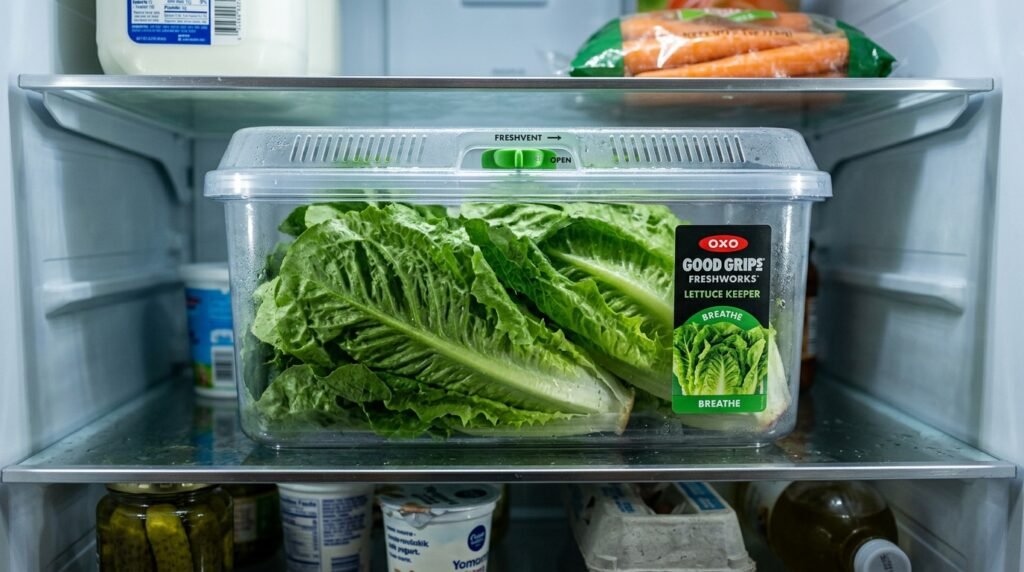
A container with some airflow may be preferable to airtight bags for lettuce. In fact, there’s some evidence that ethylene gas can cause your leafy greens to age faster when trapped.
Keep the Core Intact
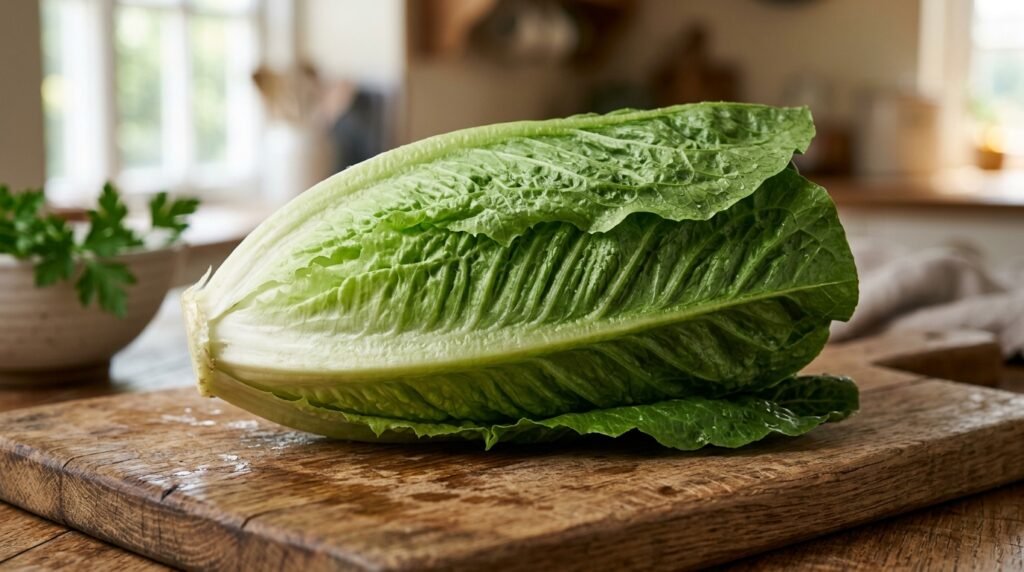
Only cut lettuce when it is to be used. Leaving the leaves on the main stem could help keep moisture levels high and keep the inner leaves fresher for longer.
The Ideal Temperature Zone
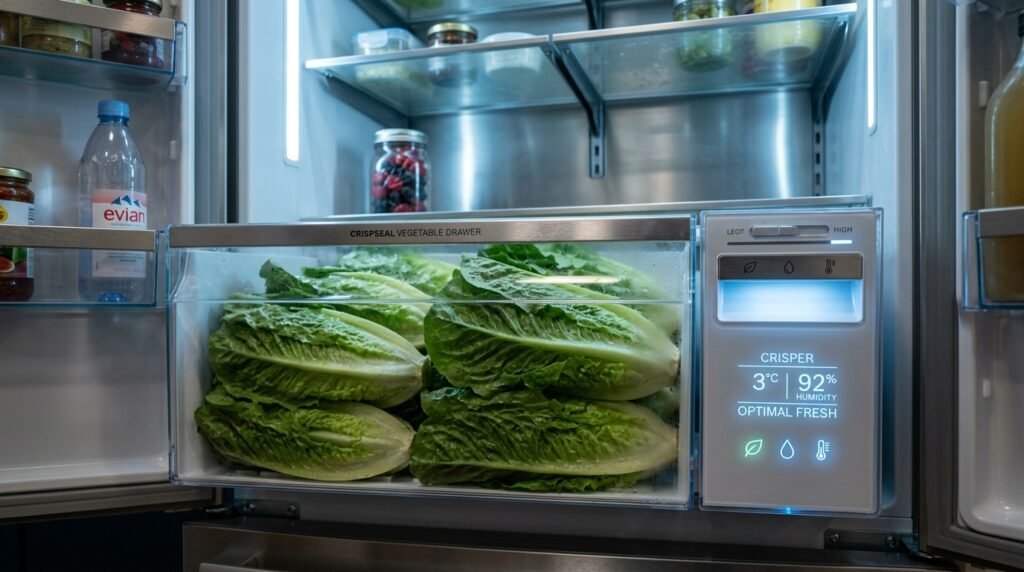
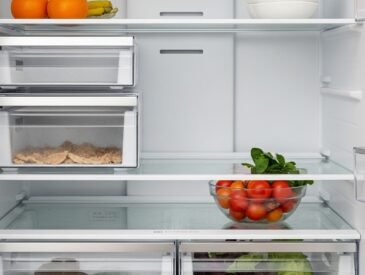
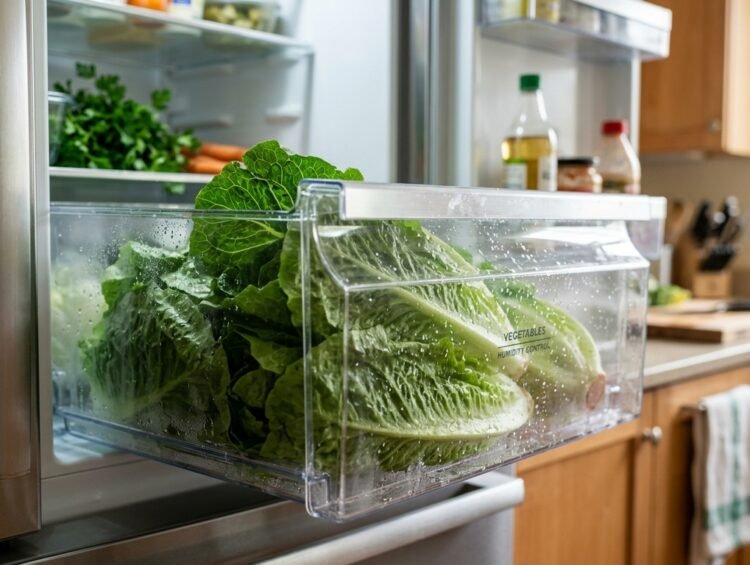
A crisper drawer is a thing provided for a reason in most refrigerators. Maintaining a fairly consistent temperature, 32 to 36 degrees F, may be an effective way of slowing the natural wilting process.
Revive With Ice Water

If the leaves are beginning to droop, an ice-water bath could be the solution. The turgor pressure restoration process might restore those cells to their original shape.
Avoid the Back Wall
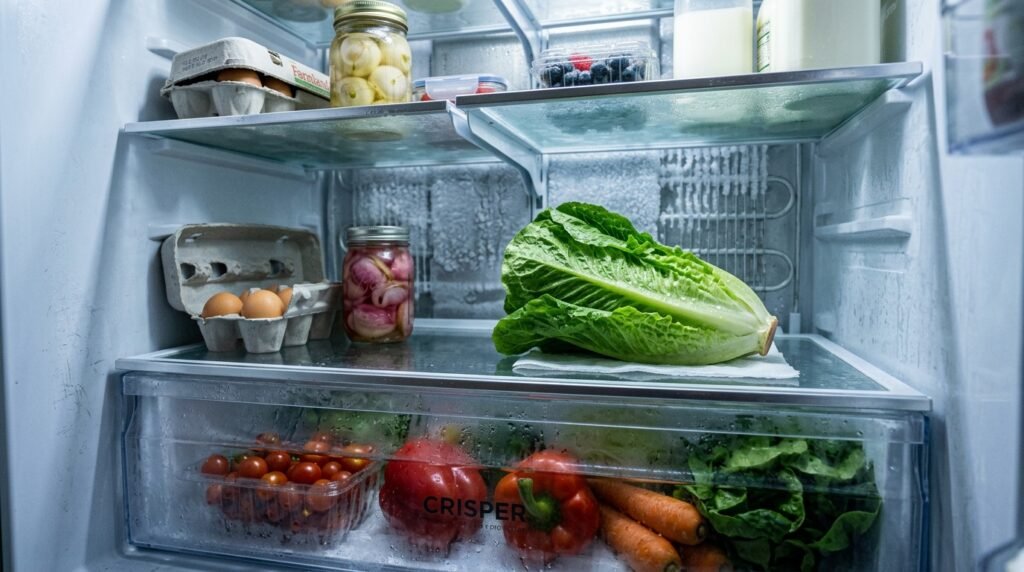
In the fridge, lettuce could be put up against the back wall, which could result in the lettuce being accidentally frozen. The leaves may be susceptible to “cold spots” and become mushy when thawed.
Don’t Crowd the Drawer
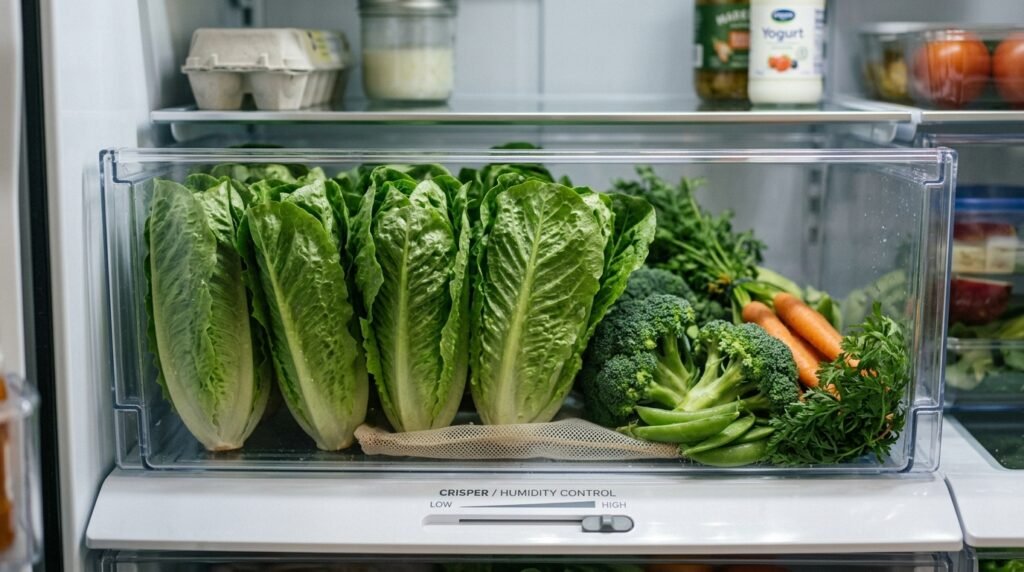
It’s generally a good thing to give your romaine some room. You may have to overfill the crisper drawer, which could hinder air circulation and lead to humid spaces containing mold or the swift decay of the tender leaves.
Use Glass Containers
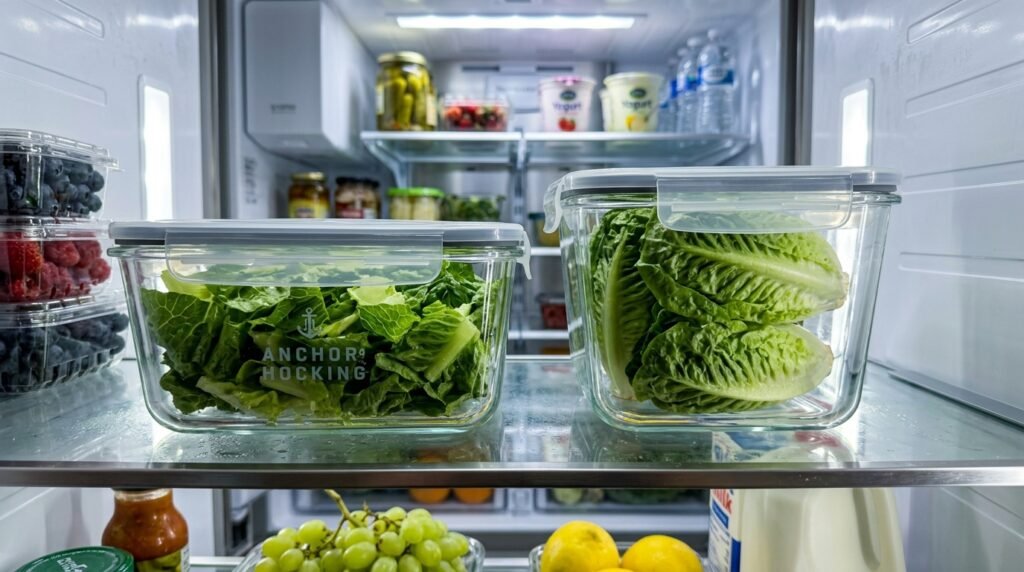
Moving away from plastics to glass storage may help. Glass also keeps the temperature more constant, which may help to keep your romaine in a more stable environment, keeping that coveted crunch.
Check on Them Regularly
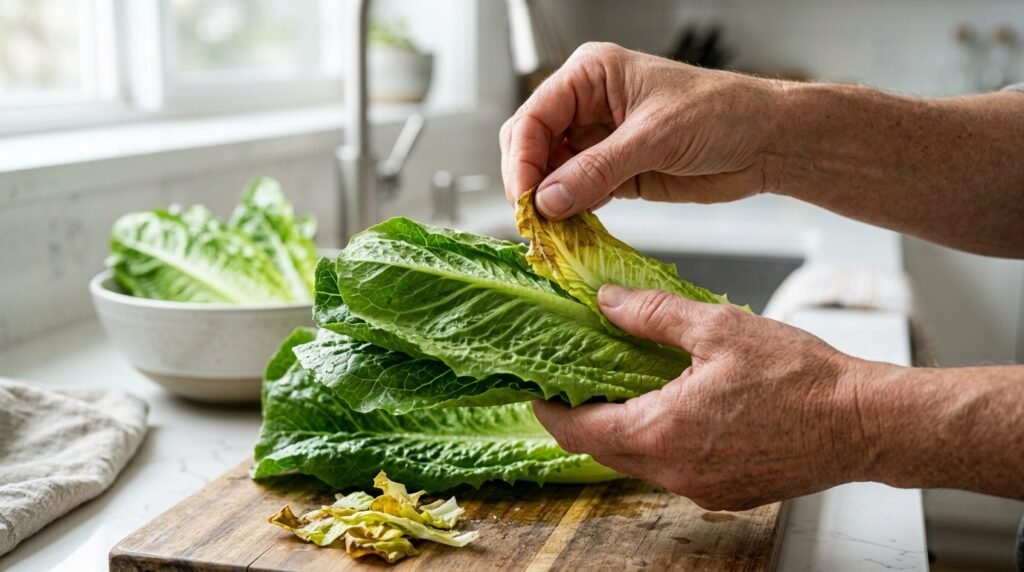
If you check your lettuce regularly (every few days), you will be able to take out any lettuce leaves that are turning yellow. This is a simple practice that could stop one bad leaf from infecting the rest of the bunch.