
 Morina Gael
 Staring at your running shoes while a chaotic morning schedule unfolds can completely paralyze your drive to exercise. Behavioral science research published in The British Journal of Health Psychology suggests that reducing the initial mental barrier to a tiny, manageable task might dramatically increase your likelihood of building a sustainable habit. Committing to just five tiny minutes of movement might completely transform your relationship with morning fitness. Let us unpack how this low-pressure strategy works.
Understanding the Subtle Psychology of Friction
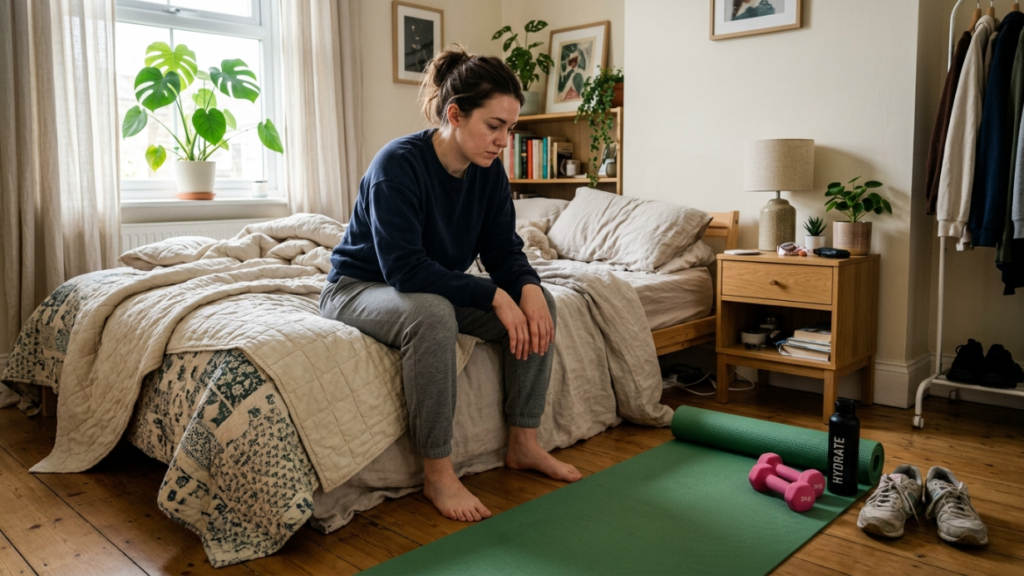
A major obstacle to physical movement is often the anticipation of a grueling, hour-long workout session. Shrinking your expectations to a mere five minutes might bypass the brain’s natural resistance mechanism.
Bypassing the Common All or Nothing Trap
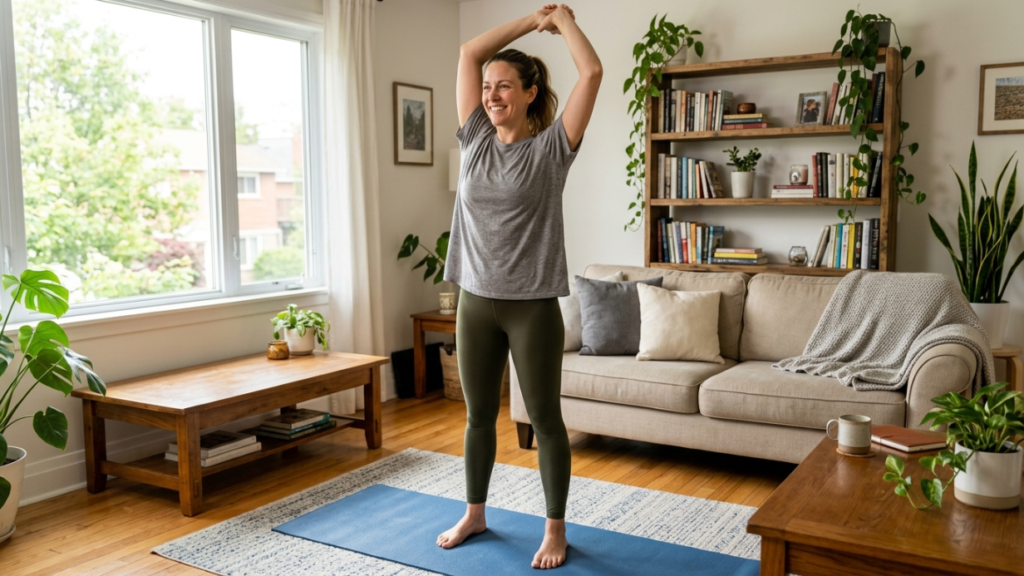
Many individuals fall victim to the belief that short workouts are completely useless. Sports science research has shown, however, that “sports” that are not continuous but can be broken up into smaller bouts are still beneficial to cardiovascular health.
Lowering the Initial Boundary to Entry
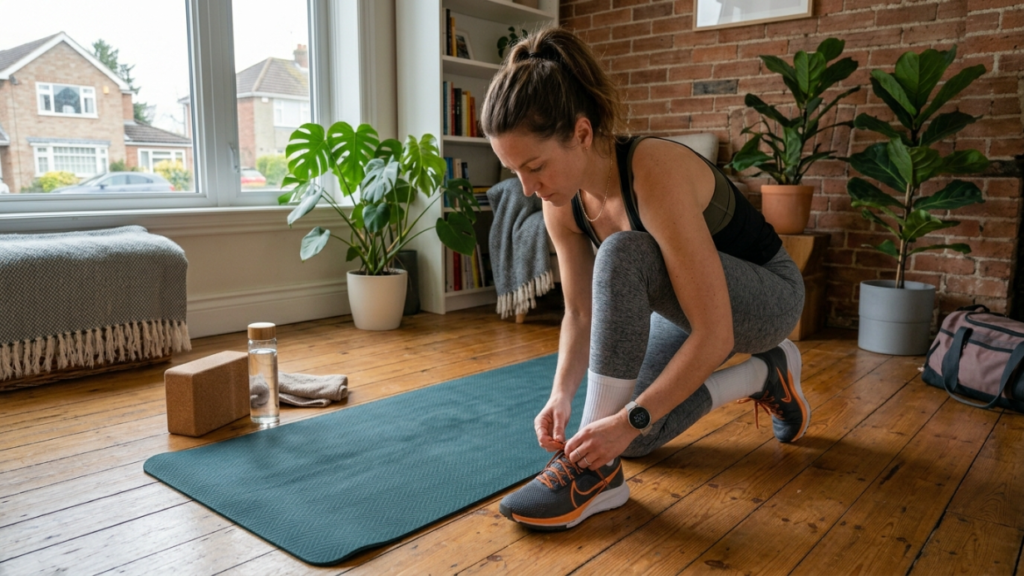
Telling yourself that you can stop moving after exactly five minutes removes the heavy pressure of perfection. This gentle, forgiving strategy makes rolling out of bed feel infinitely more manageable.
Cultivating a Reliable Power of Momentum
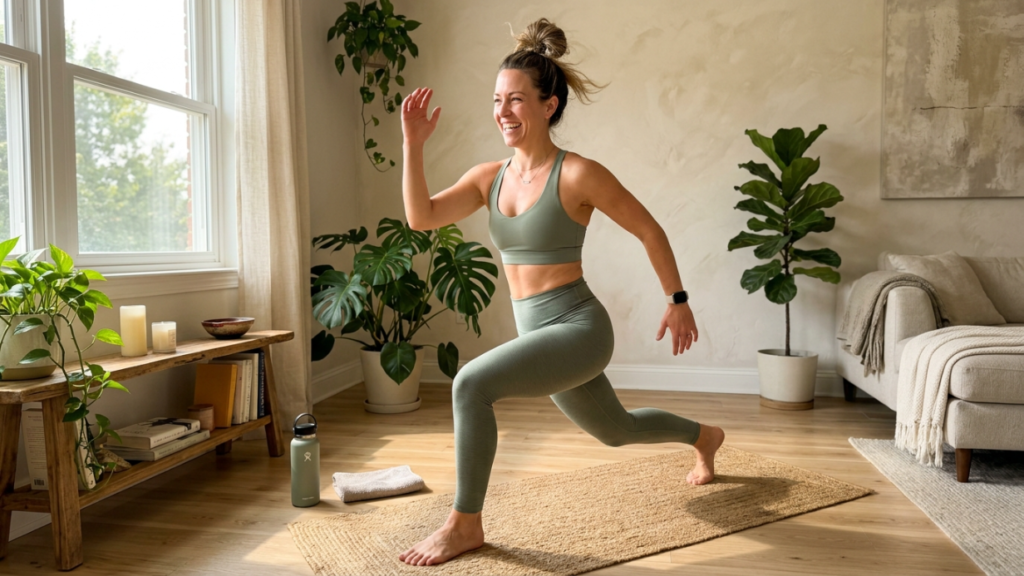
According to Newton’s physics, objects moving in circles will continue moving in circles. When the blood starts flowing, and your favorite music tracks start playing, it’s often very easy to keep going.
Boosting Your Morning Mood Instantly
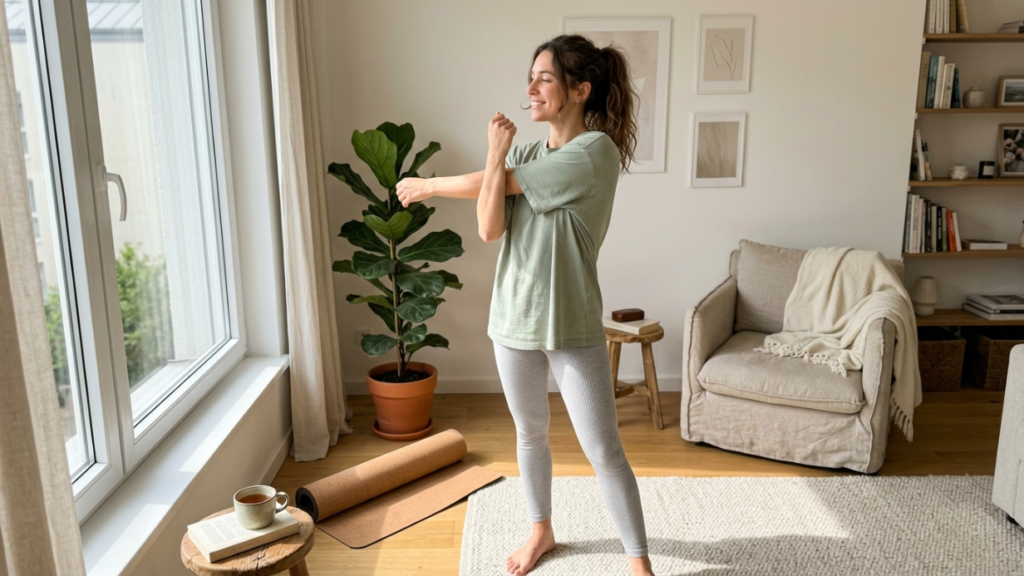
Feel-good hormones are released by any amount of exercise. If you want to improve your current mood, the researchers in the Journal of Happiness Studies propose that any movement you can manage throughout the day will make a difference.
Trying a Quick Active Warmup Routine
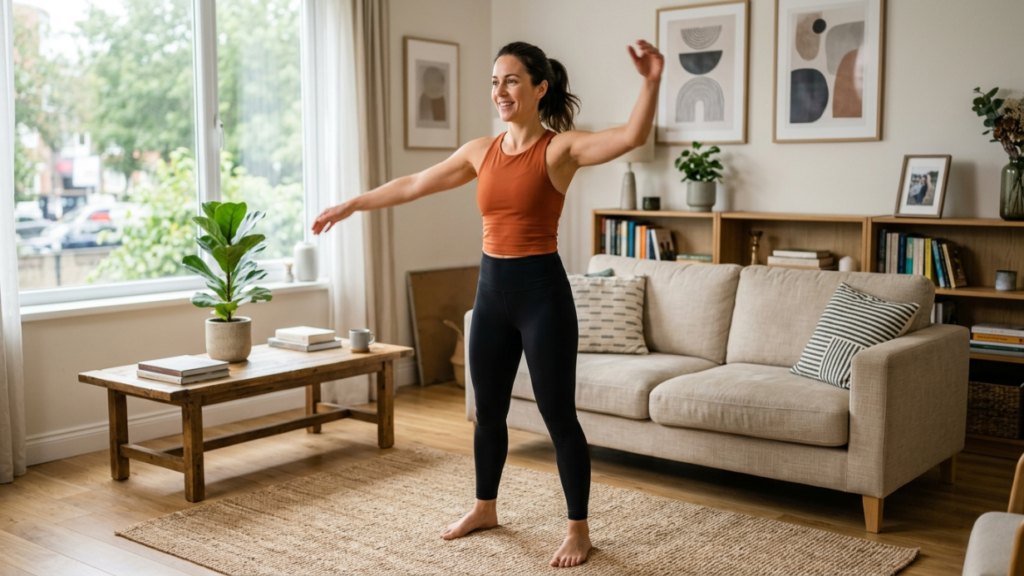
Spend your first few moments performing basic arm circles, gentle torso twists, and slow bodyweight squats. This is a simple exercise that can be done physically to “warm up” your joints without needing to exert too much effort in exercise.
Embracing the Ease of Wall Push-Ups
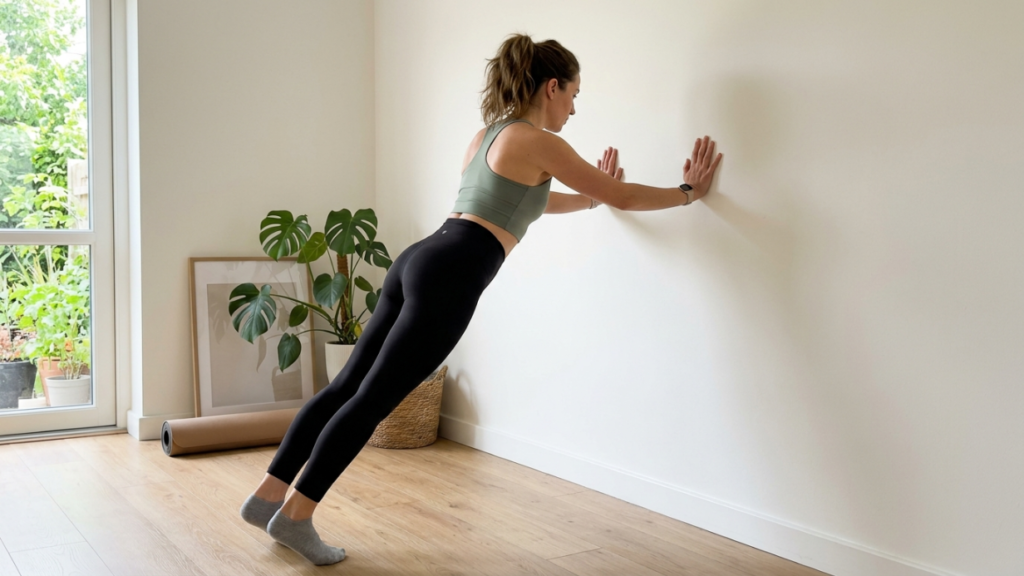
Pressing against a solid wall in the bedroom and controlled presses during this exercise activate the chest and shoulders without causing any harm. This vertical variation offers a beautifully accessible upper-body activation tool for absolute beginners.
Practicing a Few Gentle Chair Squats
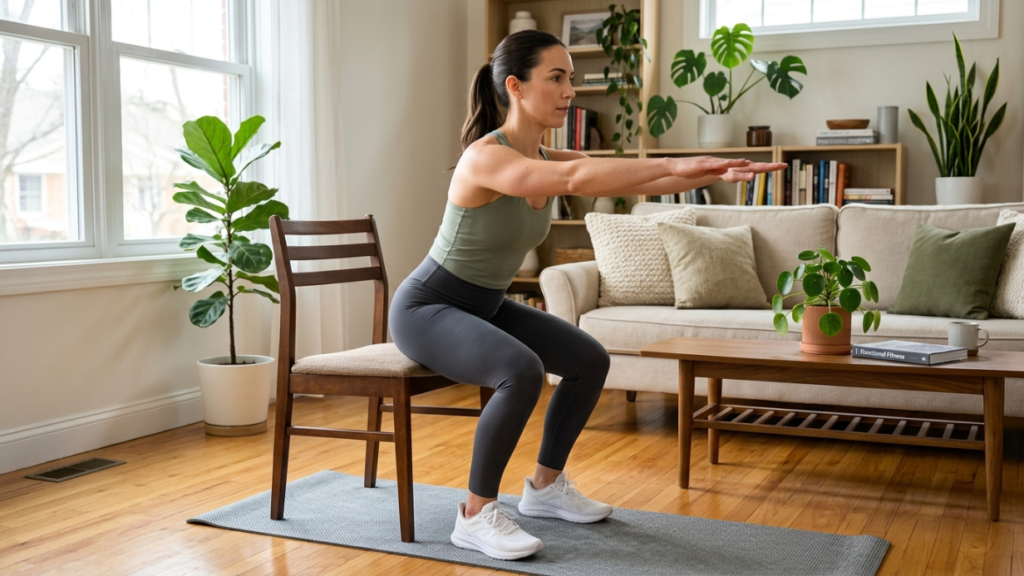
Using your favorite living room chair for a quick set of sit-to-stand movements builds functional lower-body strength. This practical exercise mimics regular daily activities while protecting vulnerable knee joints.
Activating Your Core With Bird Dogs
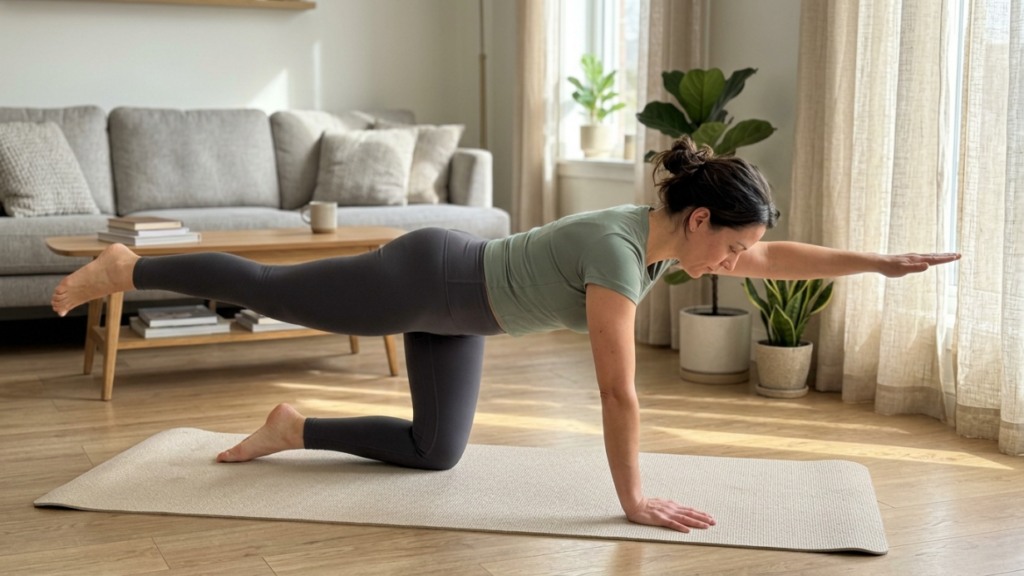
Kneeling on a comfortable yoga mat and extending opposite limbs challenges your balance and core beautifully. Physical therapy data implies this specific movement might enhance lower back stability quite effectively.
Celebrating the Tiny Daily Victories
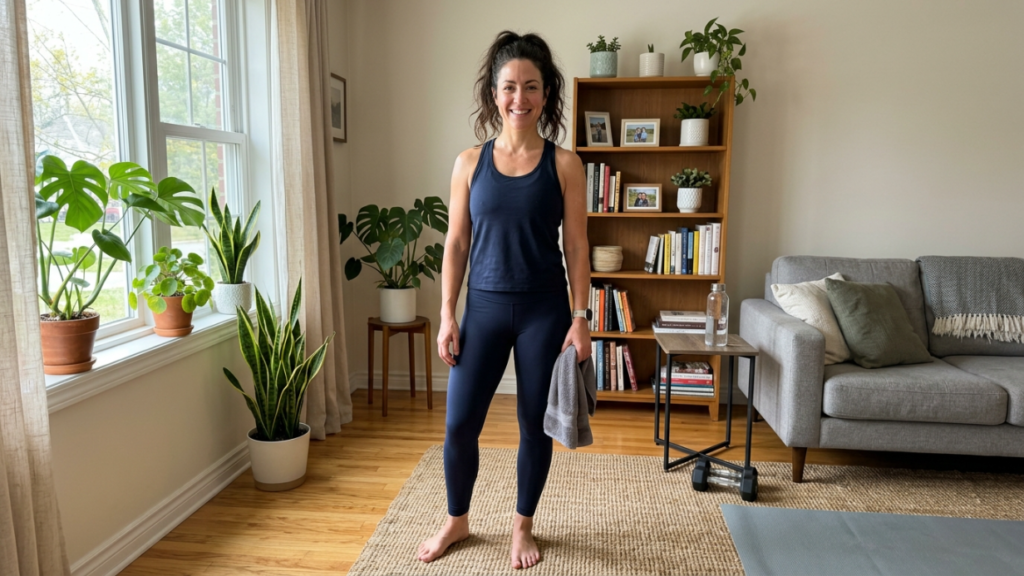
Give yourself massive credit for simply moving your body when your schedule feels entirely overwhelming. Acknowledging these minor efforts builds robust psychological resilience and stops frustrating cycles of fitness guilt.
Giving Yourself Complete Permission to Stop

When the timer sounds, don’t ignore the feeling of exhaustion in your body; listen and rest. If you can quit after five minutes, you don’t have to trust the rule for a day.