 Morina Gael
 We all have experienced that sudden burning sensation following a wonderful meal. A detailed study published in the American Journal of Gastroenterology indicates that lifestyle changes may be very effective in treating mild disease. You might also find comfort in looking through your cupboard instead of continually visiting your OTC medicine cabinet. Let’s consider a few gentle, evidence-based home methods that may help calm your digestive tract.
Try Sipping Soothing Chamomile Tea

A nice hot cup of chamomile could soothe digestive upset. According to research published in the journal Molecular Medicine Reports, its anti-inflammatory benefits could help to gradually decrease inflammation in your sensitive esophageal lining.
Savor a Little Fresh Ginger

Ginger is an ancient remedy that appears to aid digestion. Food & Function clinical data indicate that its natural compounds could actually speed up gastric emptying, lowering the pressure upwards.
Elevate Your Head at Night

Elevating the head of your bed may help. Gravity could play a role in preventing stomach contents from going up during sleep, according to the American Journal of Gastroenterology.
Enjoy Slices of Ripe Banana
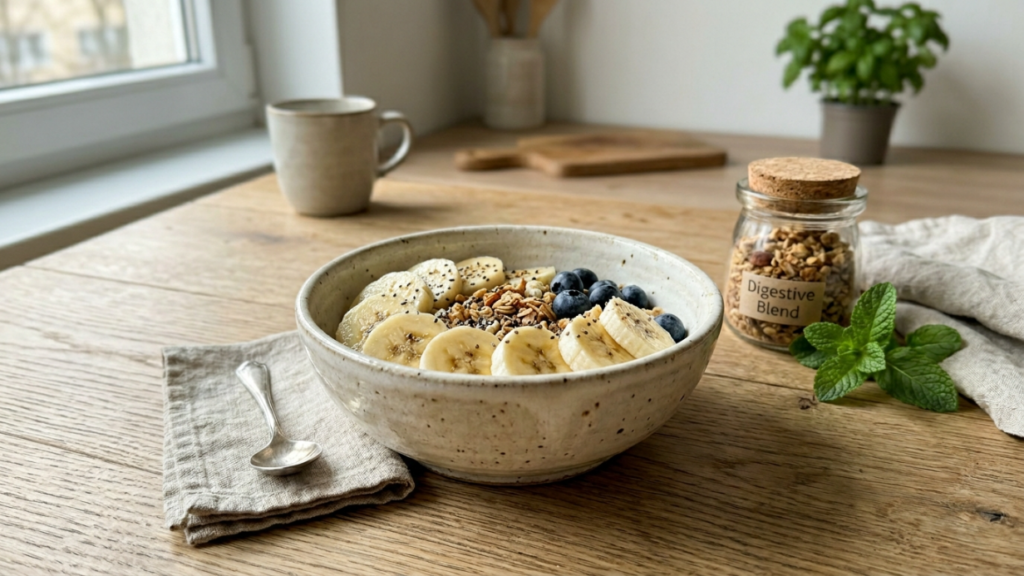
This soft fruit is not very acidic and, by its gentle abrasion, protects the esophagus. According to the World Journal of Gastroenterology, alkaline foods could neutralize stomach acids that cause irritation.
Sip on Smooth Slippery Elm
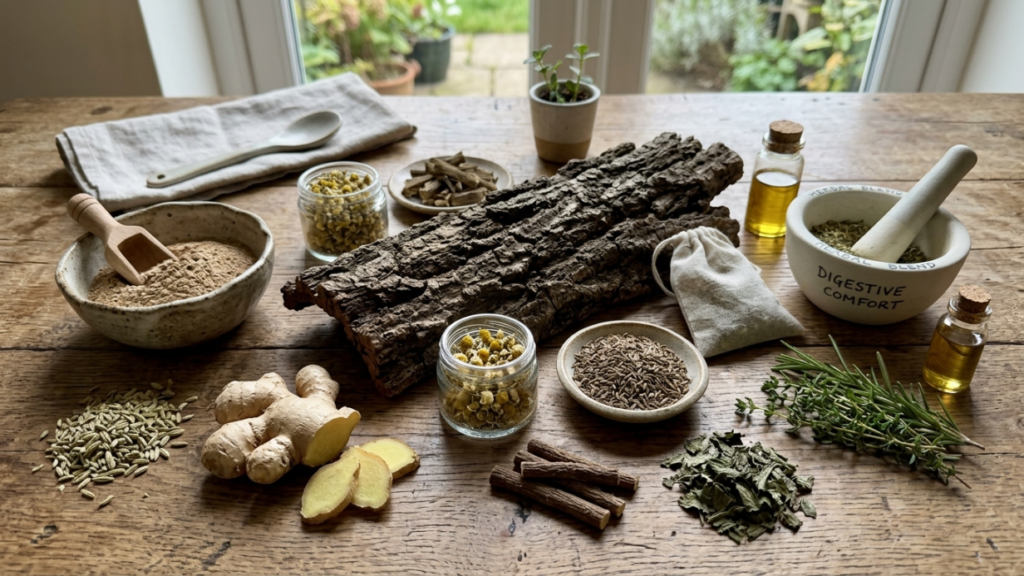
Slippery elm is thick and soothing when mixed with water. Studies published in the Journal of Dietary Supplements indicate that it could form a good temporary lining of the stomach against bothersome stomach acid.
Wear Loose-Fitting Clothes

Too-tight belts and waistbands can add unneeded pressure to your abdomen. Observations made during gastroenterology may indicate that decreasing the mechanical stress could contribute to maintaining the lower esophageal sphincter closed properly.
Dine Well Before Bedtime
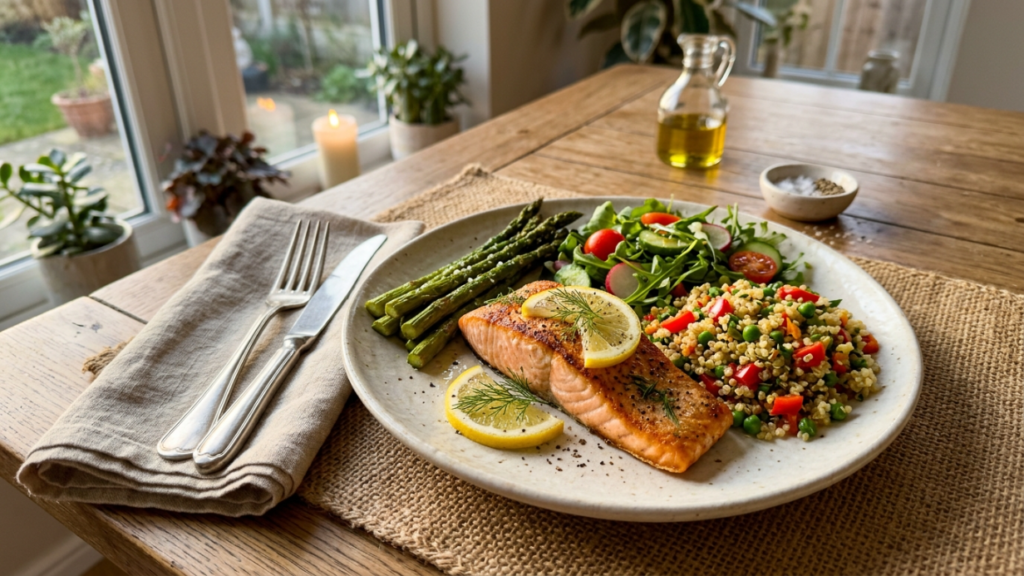
Eating your last meal several hours before bedtime may make a difference. BMC Gastroenterology suggests that for many, late-night meals could be a major trigger for nighttime reflux.
Try Small Frequent Meals
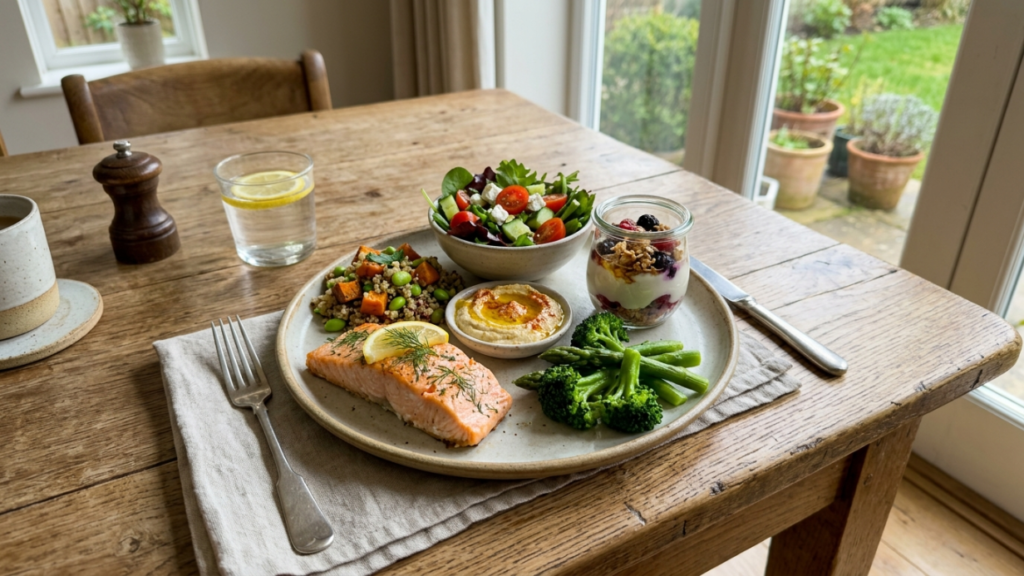
If you eat more food than you need in one sitting, it’s easy to push the digestive juices back up into your mouth. A smaller amount might decrease the overall distending pressures on the lower esophageal sphincter, according to clinical reviews in Gastroenterology Research and Practice.
Snack on Raw Almonds
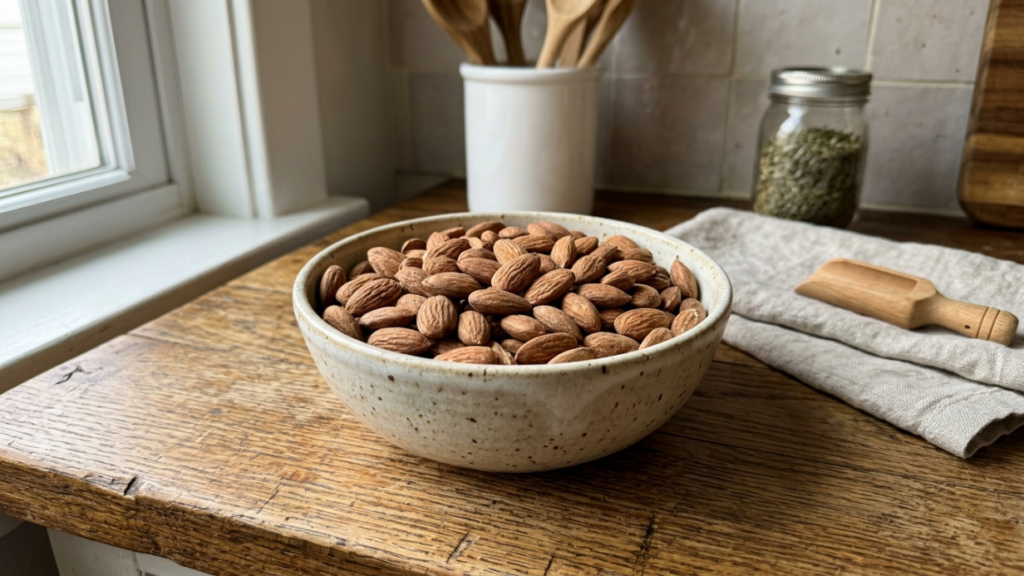
It is a general practice in the home to eat some almonds after a meal. Nutritional clues indicate that they have an anti-gastric effect due to their natural oils and the fact that they’re alkaline.
Stay Upright After Eating

It is really good not to slouch on the couch right after dinner. According to biomechanical research, maintaining a straight neck for an hour will reduce the amount of acid leakage.