
 Morina Gael
 Getting into bed after a very long day and deciding to check your phone for a little bit of a scroll, thinking it will be a nice way to relax, sounds very reasonable. Yet, clinically verified neuroscience data released in the Proceedings of the National Academy of Sciences show that the blue light of the short wavelength coming from these small displays directly inhibits the production of melatonin. This unseen disruption of the chemical process can very easily affect your sleep quality and result in you being very tired the next day. Let us explore why that nighttime habit drains your battery.
Suppressing Your Natural Melatonin Surge

Exposing yourself to screen light just before closing your eyes can fool the brain into believing it’s still daytime. This light exposure can disrupt the body’s normal production of the sleep-inducing hormones.
Shifting Your Internal Biological Clock
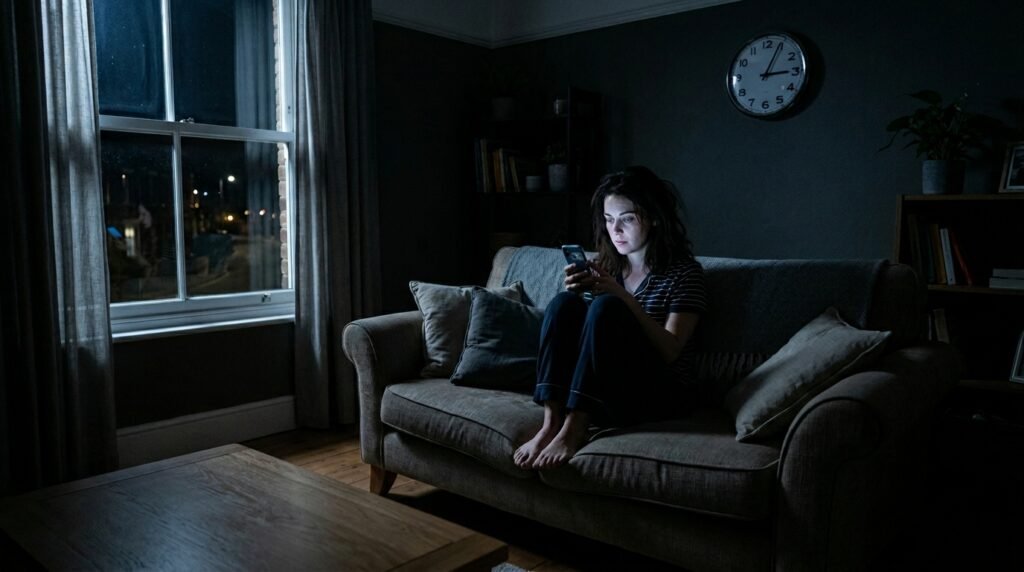
Exposing yourself to bright artificial light sources after dark can slightly phase out the circadian rhythm. This in-between time may make it quite a chore to get up for your morning alarm.
Triggering Sudden Cognitive Alertness Swings

A sudden dose of news in the form of a headline or a vibrant social media feed may trigger a surge in mental arousal. This unexpected mental activation runs in opposition to your body’s natural wind-down.
Inducing Frustrating Revenge Bedtime Procrastination
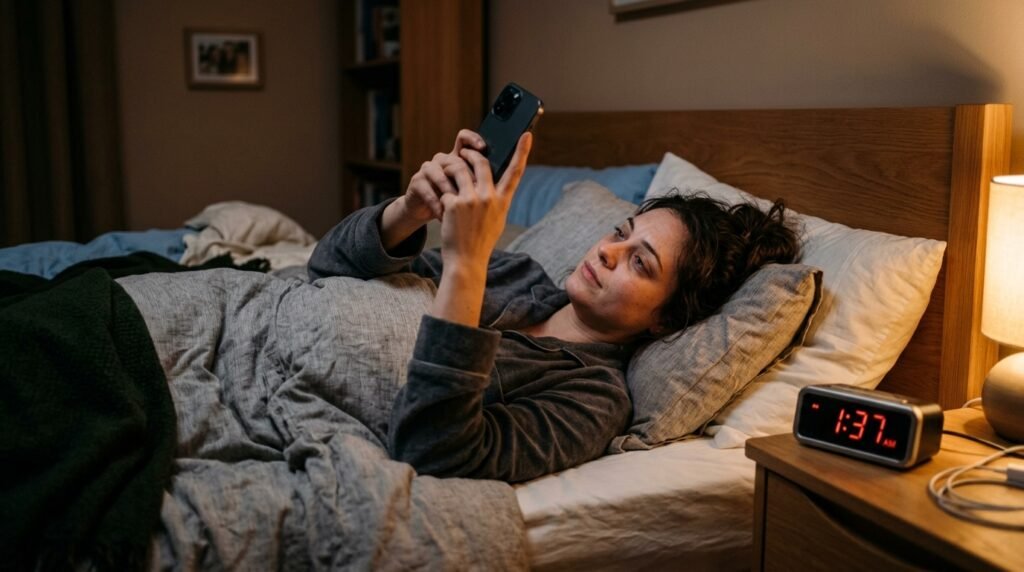
It is a very common dilemma these days to sacrifice sleep in order to regain personal leisure time. Waiting until late at night for a “late-night fix” can start a vicious cycle of chronic fatigue that can happen all week.
Fragmenting Your Natural Sleep Continuity
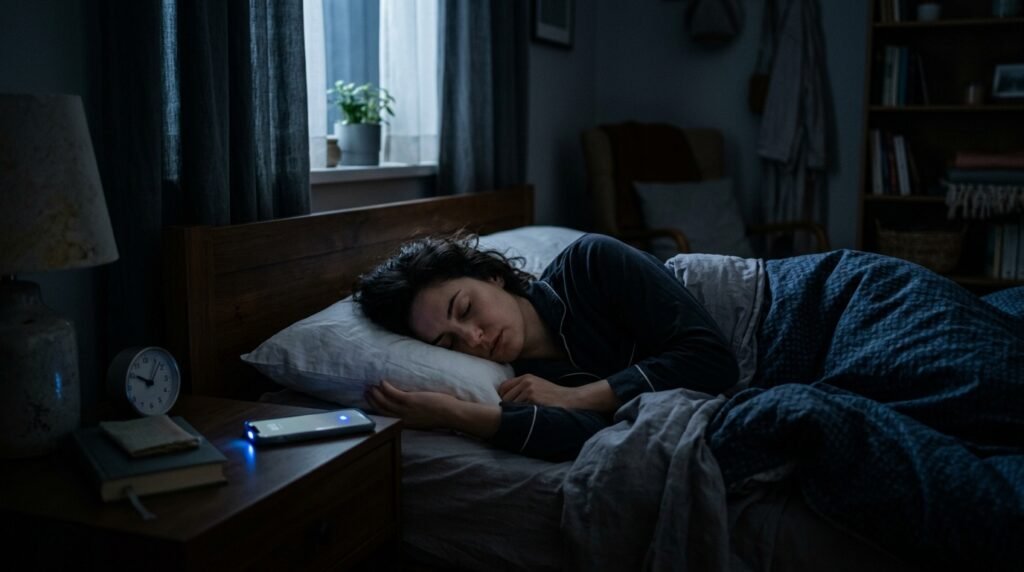
An active phone on your bedside table can lead to small arousals, such as flickering lights or vibrations. They are small breaks that can interrupt your sleep without you being aware.
Extending the Length of Sleep Latency

One of the most common complaints is an hour of tossing and turning after you have powered down your device. It’s generally the neurological buzz of scrolling that lingers and lengthens the time spent to drift off.
Masking Your Real Physical Exhaustion

You can easily become numb to your own body’s yawning and droopy eyelids by watching brief videos. This digital distraction might cause you to blow right past your ideal bedtime window.
Damaging Long-Term Focus Capacities
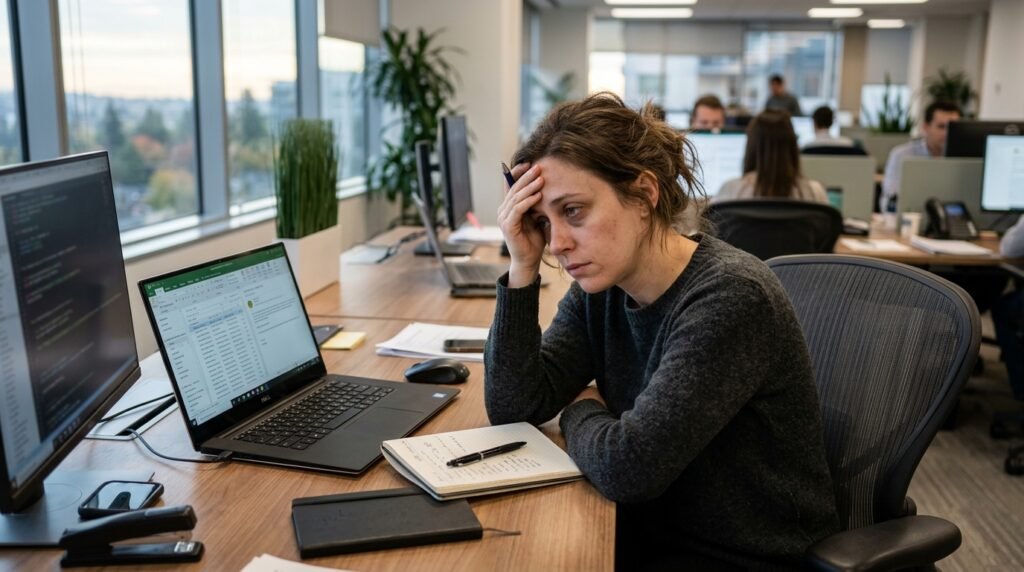
Starting your morning on an empty tank because of midnight scrolling can seriously limit your professional output. Cognitive studies suggest that poor sleep consistently hinders your working memory and afternoon decision-making skills.
Overstimulating Your Visual Processing Cortex
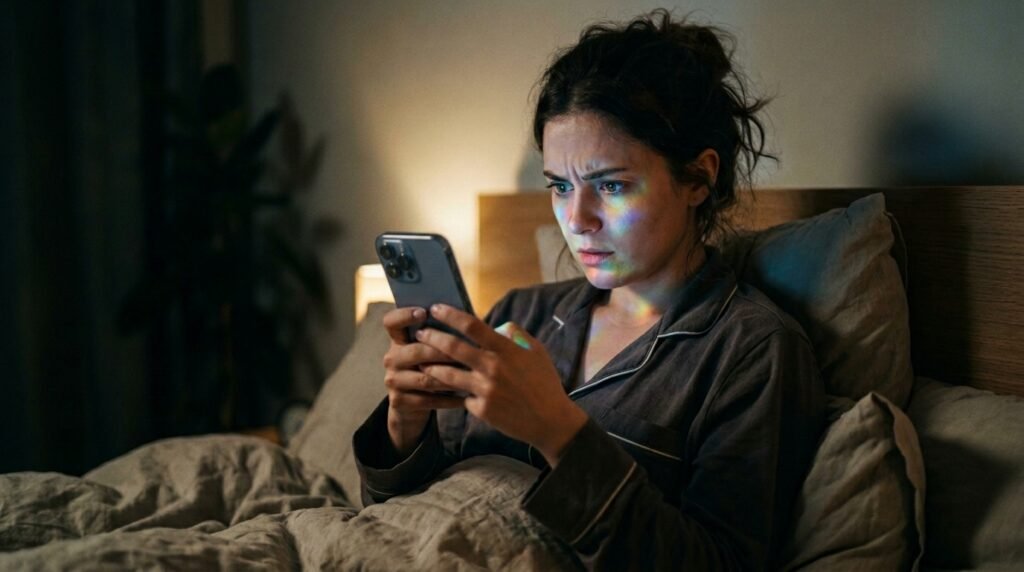
Processing rapid image changes and bright colors right before bed forces your brain to remain highly active. This heavy visual intake can trigger vivid, restless dreams that leave you waking up tired.
Compounding Daily Psychological Office Stress

Checking late-night work messages directly reintroduces daytime anxieties into your personal sanctuary. Allowing professional worries to invade your bed can make achieving a truly calm state of mind nearly impossible.
Designing a Peaceful Device-Free Sanctuary

Swapping your smartphone for a simple paper book creates a beautifully gentle transition into dreamland. Prioritizing a calm, analog bedroom environment ensures you wake up feeling incredibly vibrant, focused, and completely energized.