 Morina Gael
 Every one of us has gone to a local market with a bounty of colorful goods and discovered a few days later that they have spoiled. Although the kitchen counter appears to be pretty, studies by the USDA and the University of California, Davis, indicate that poor storage greatly contributes to the quick deterioration of nutrients. Storing certain vegetables in a low-temperature environment may serve to preserve their phytochemicals and crisp texture so that your grocery budget, as well as your health, is not compromised.
Fresh Broccoli
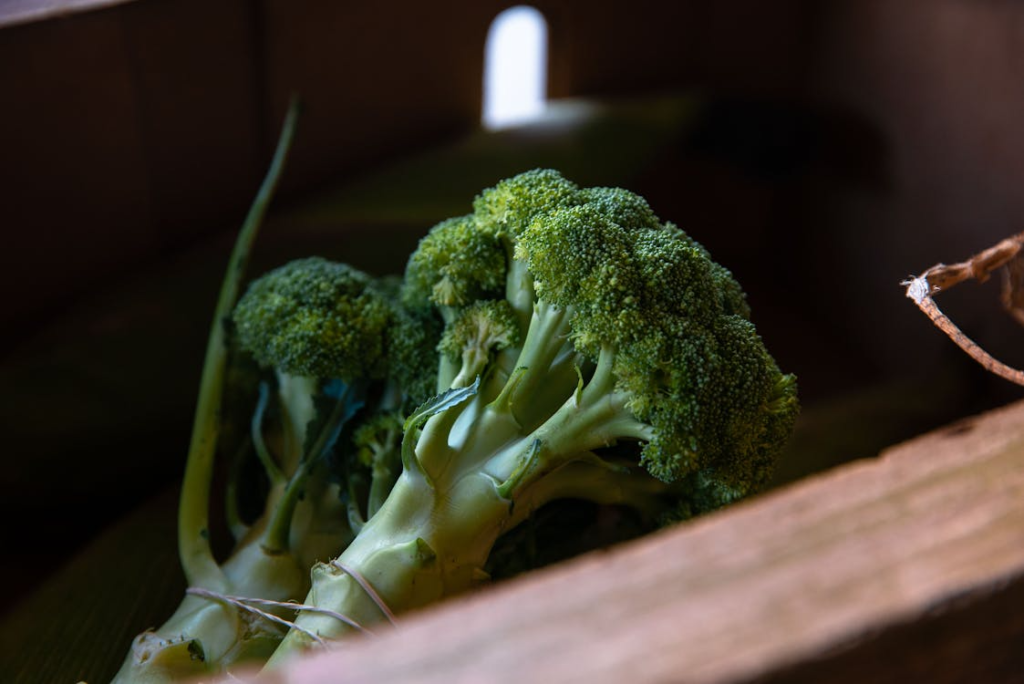
Broccoli is very ethylene- and heat-sensitive. The scientific findings also show that the cold and moist environment may help maintain the glucosinolates in these stalks, which are attributed to a number of health benefits.
Sweet Corn
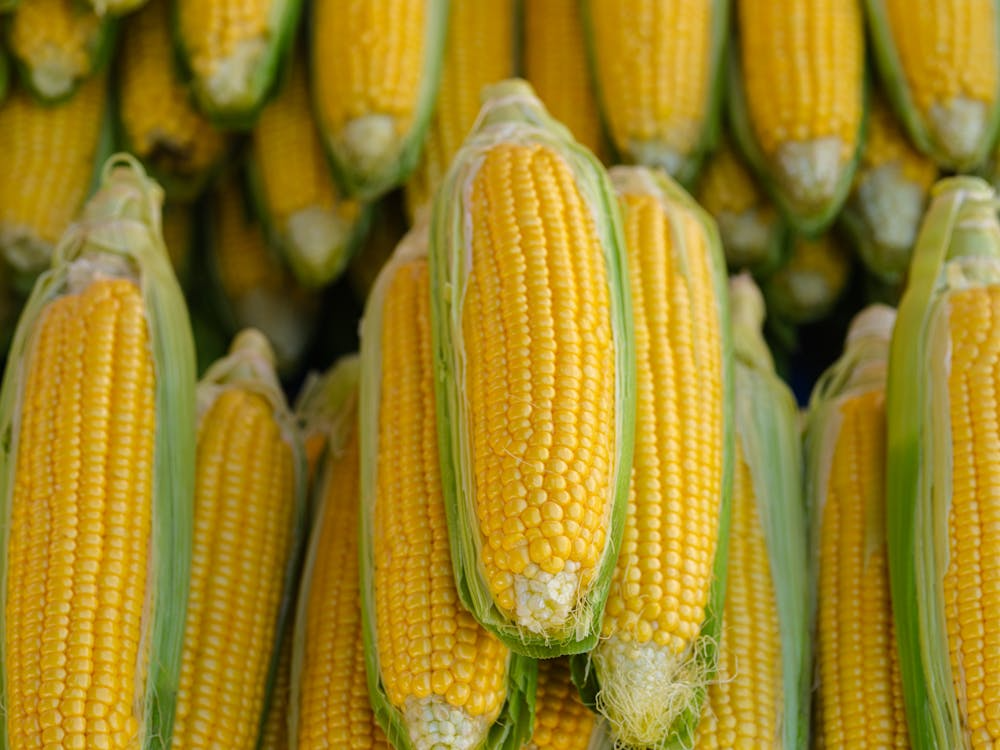
The sugar in corn does not take long to change to starch when harvested and kept at room temperature. It is recommended by experts that the ears of corn should be chilled right after harvesting them so that they can retain that same sweetness that you have during the summer barbecues.
Crisp Asparagus
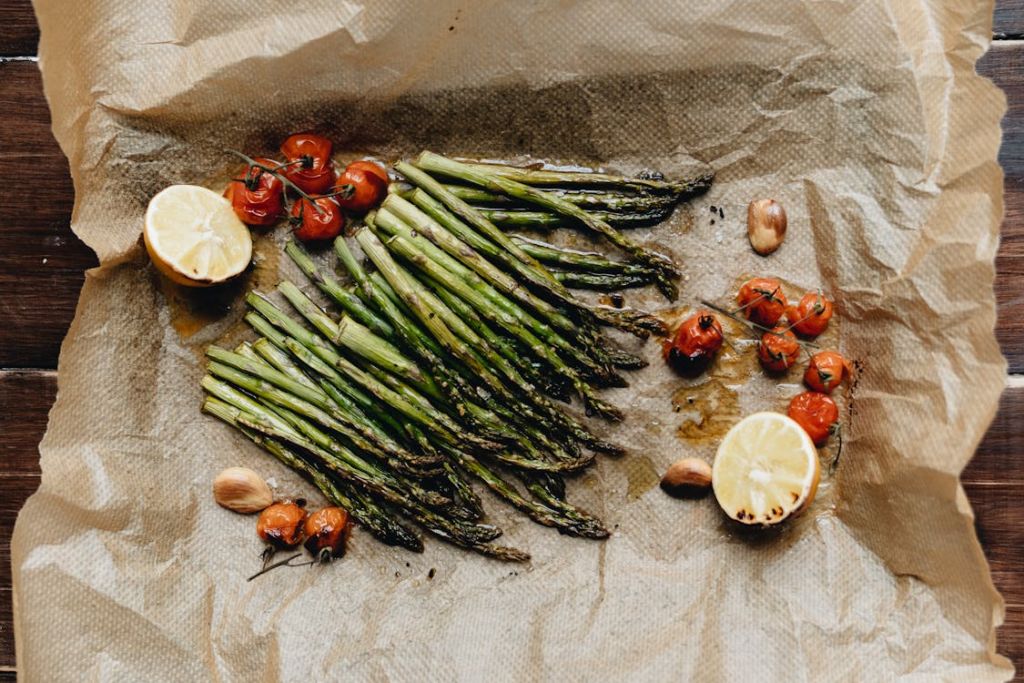
It may be best to keep asparagus as a bunch of flowers in the fridge. The fact that the ends tend to be moist and the stalks cool may help it to last longer on the shelf and retain its touchiness to snap.
Green Beans
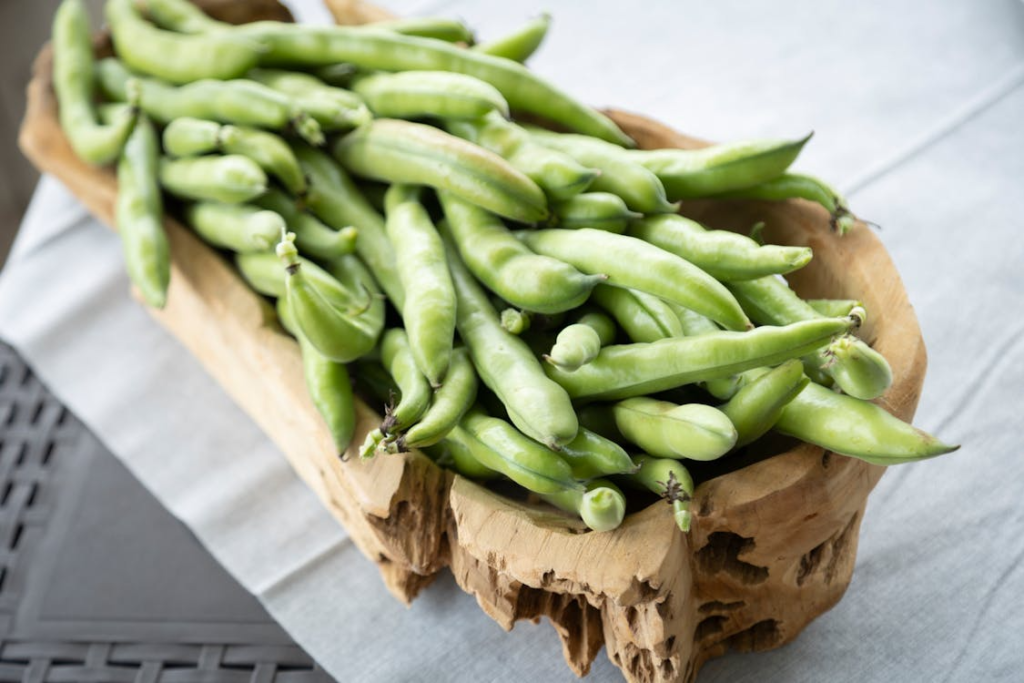
These are the garden favorites that will be shriveled when they are exposed to the open air. Refrigeration can be used to preserve their structure and the green color that signifies a high chlorophyll level.
Brussels Sprouts
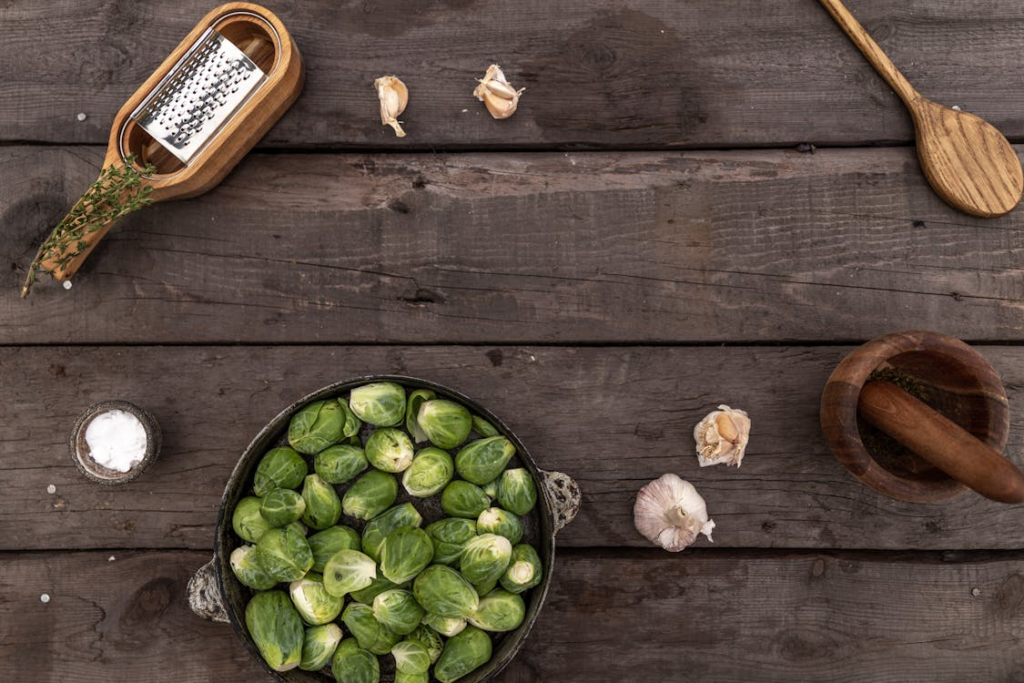
These small cabbages can be preserved far longer when stored on the stalk or in a cold drawer. When chilled, it may be possible to avoid the formation of a strong, bitter odor with time.
Scallions and Leeks
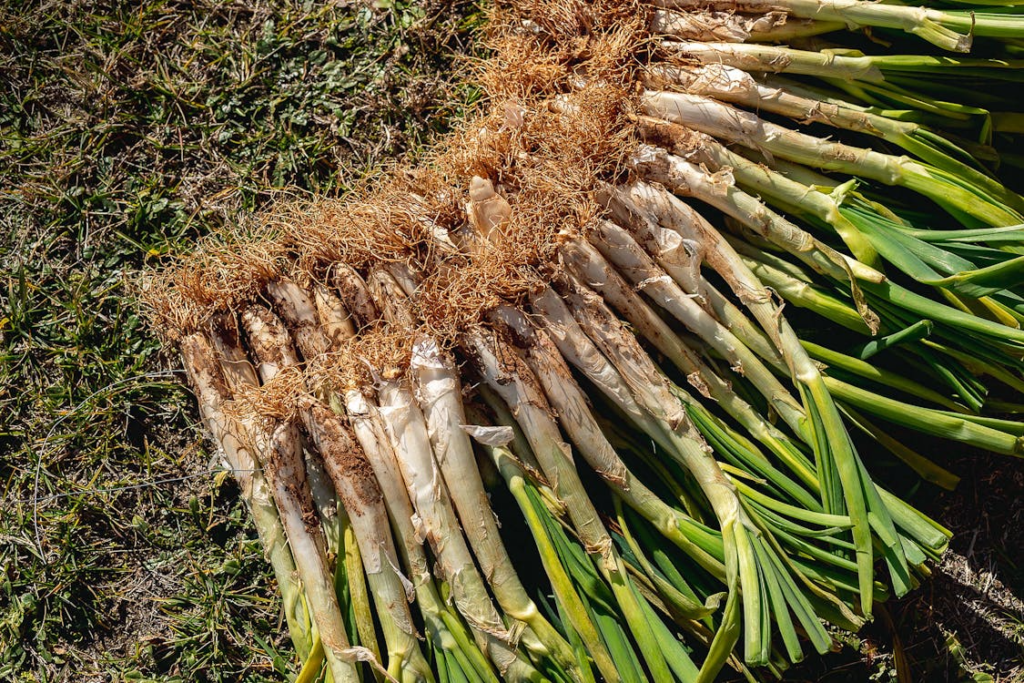
Alliums such as green onions are sensitive to cold so that they can remain erect and tasty. Keeping them in the fridge may also help them not to get slimy or lose their sharp and fresh bite.
Radishes
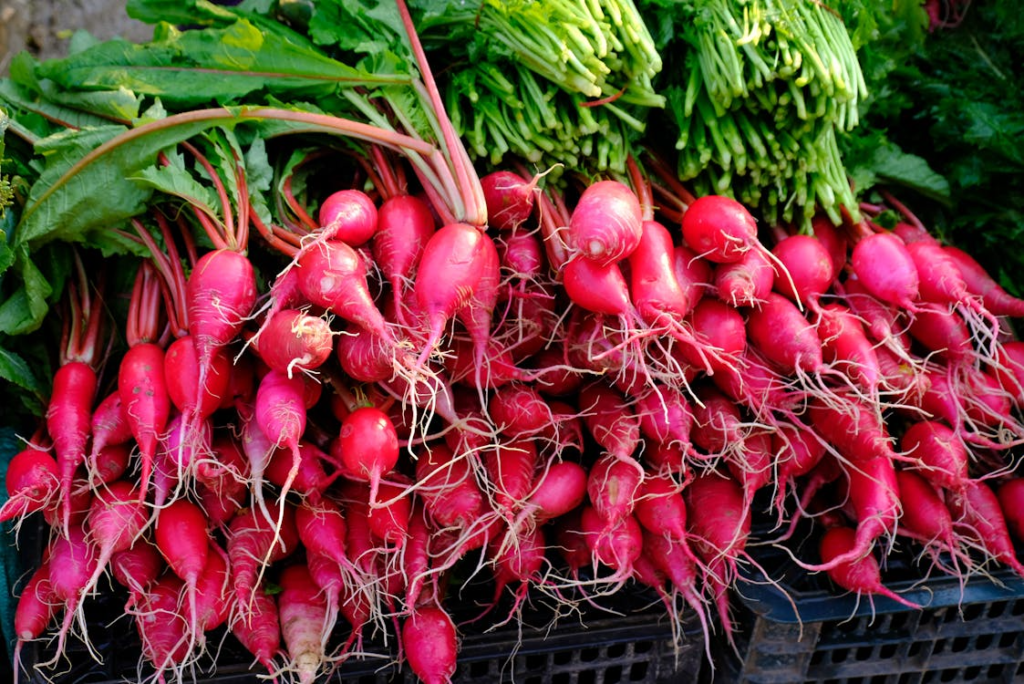
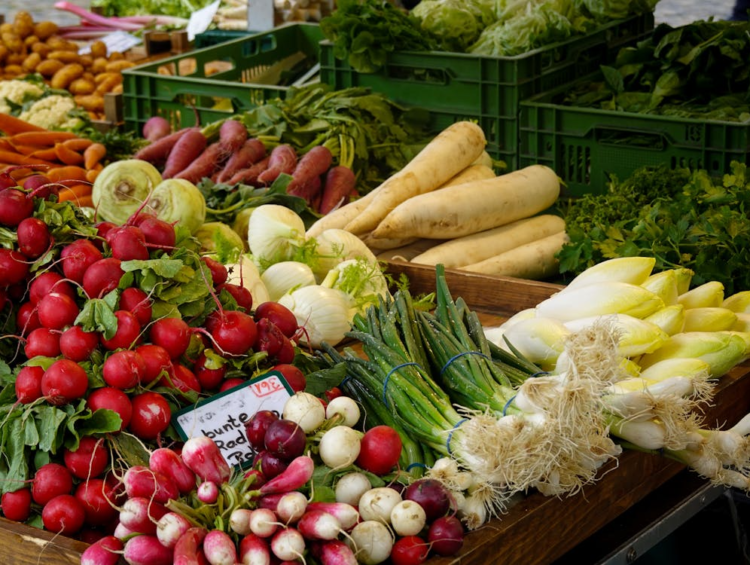
It is usually advised to remove the leafy tops and put the roots in a cold location. This approach could assist the radishes in remaining solid and peppery to avoid turning soft and woody.
Bell Peppers
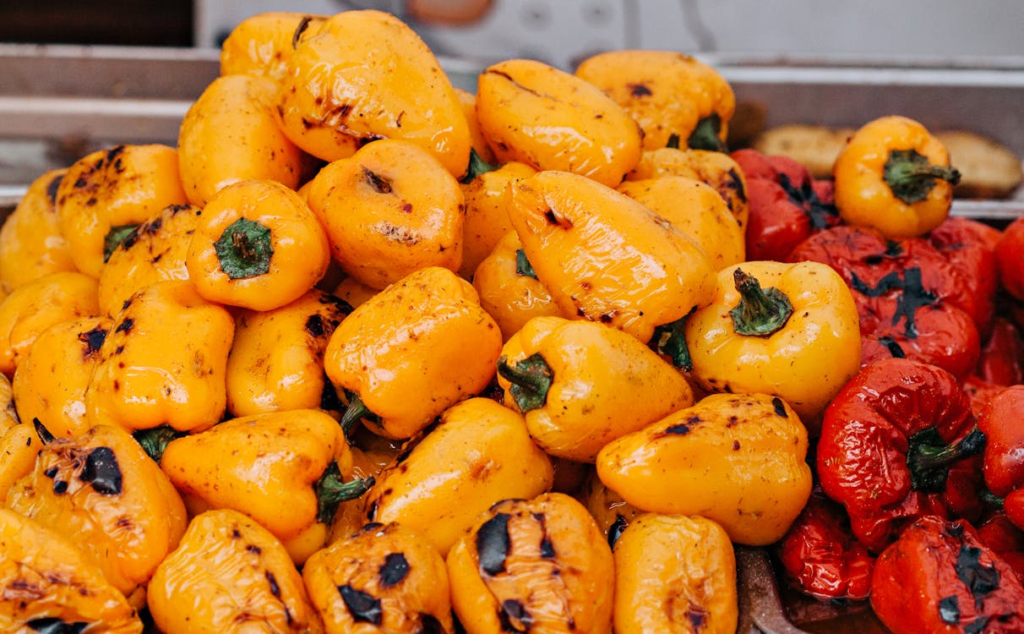
Peppers will lose their firmness when they become excessively warm. They can be stored in the crisper drawer so that they may stay fresh and retain the high quantities of antioxidants they would have within.
Artichokes
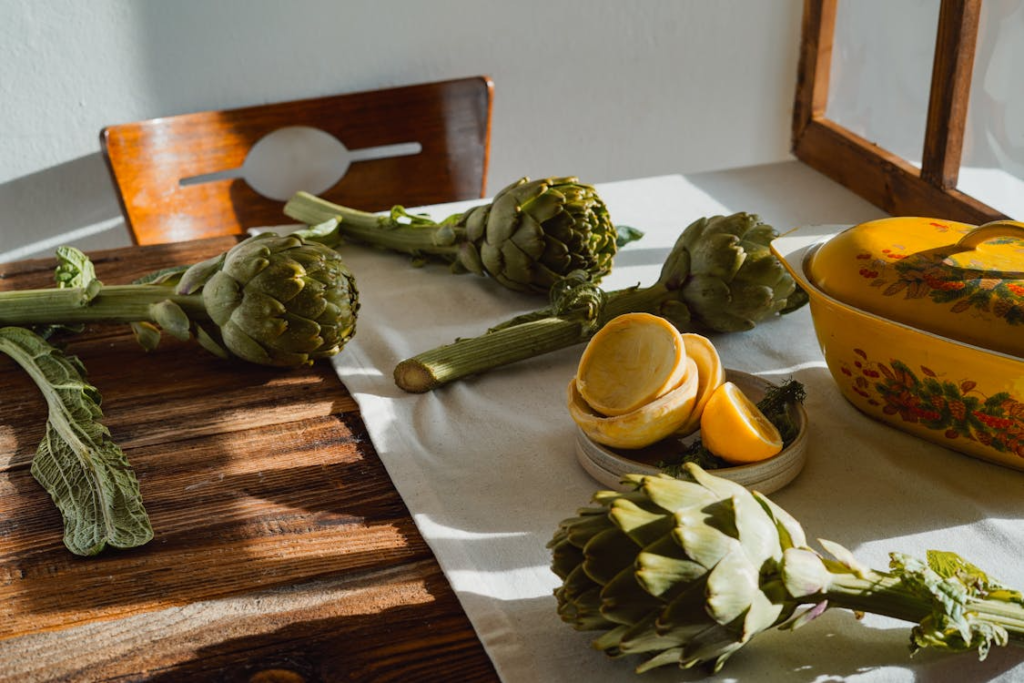
These special vegetables are very perishable, and they may easily dry up. Maintaining them in cold, airtight conditions could help preserve the delicate hearts and keep them fresh and ready to serve your meals.