 Morina Gael
 Aging can be a negotiation process with ourselves, particularly when it becomes clear that such activities as driving to the store or accessing a high shelf are getting painfully difficult. Nonetheless, the study published in The Journal of Frailty and Aging may indicate that age-related muscle loss might be reversed with the help of certain resistance exercises. A combination of these neglected exercises into a daily routine may help regain the functional independence and vibrancy many grown-ups lack.
Wall Squats
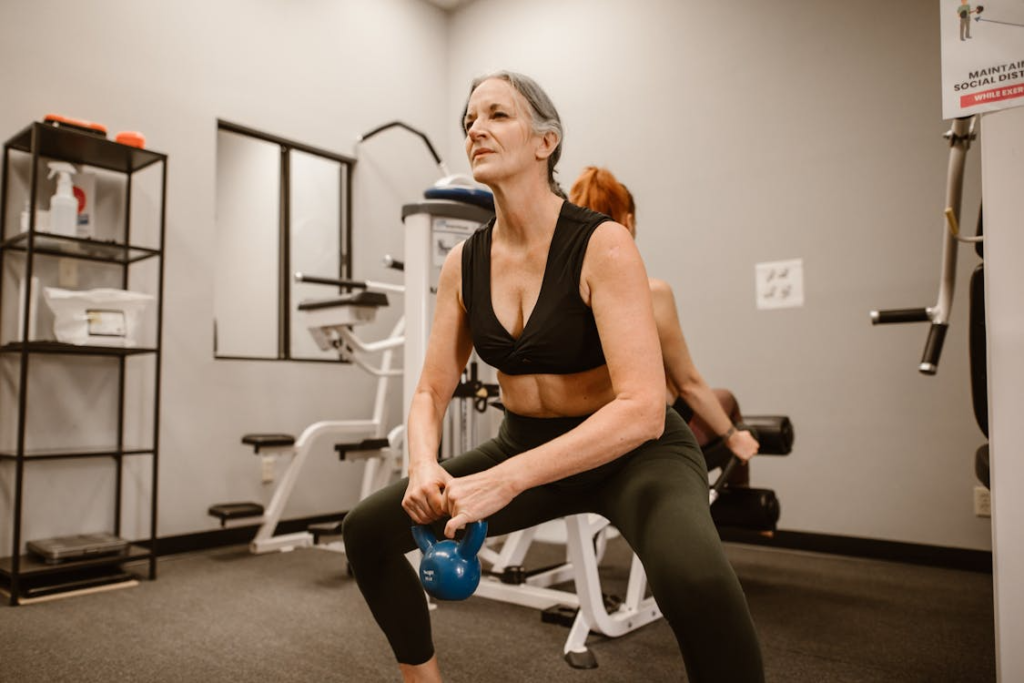
This is a light exercise that stabilizes the knees and hips. Studies published in the British Journal of Sports Medicine point out that the isometric holds could be used to maintain good blood pressure and to tighten the lower body.
Glute Bridges
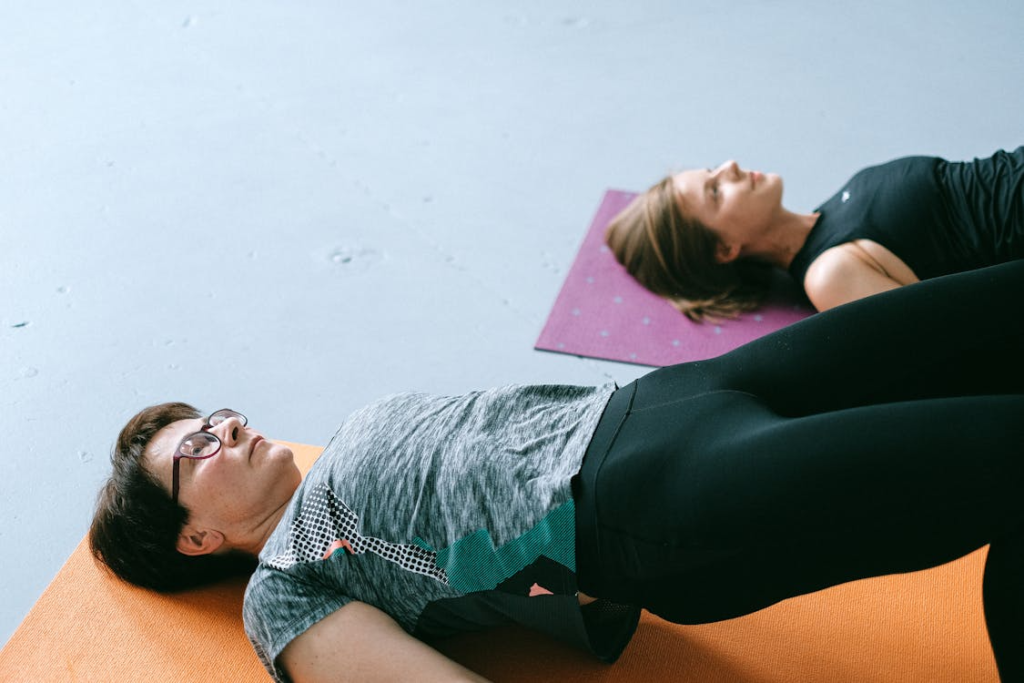
Lying on your back and lifting your hips has a possibility of activating dead glute muscles. Enhancement of this area is usually associated with enhanced lower back support and balance when performing daily walking routines.
Calf Raises
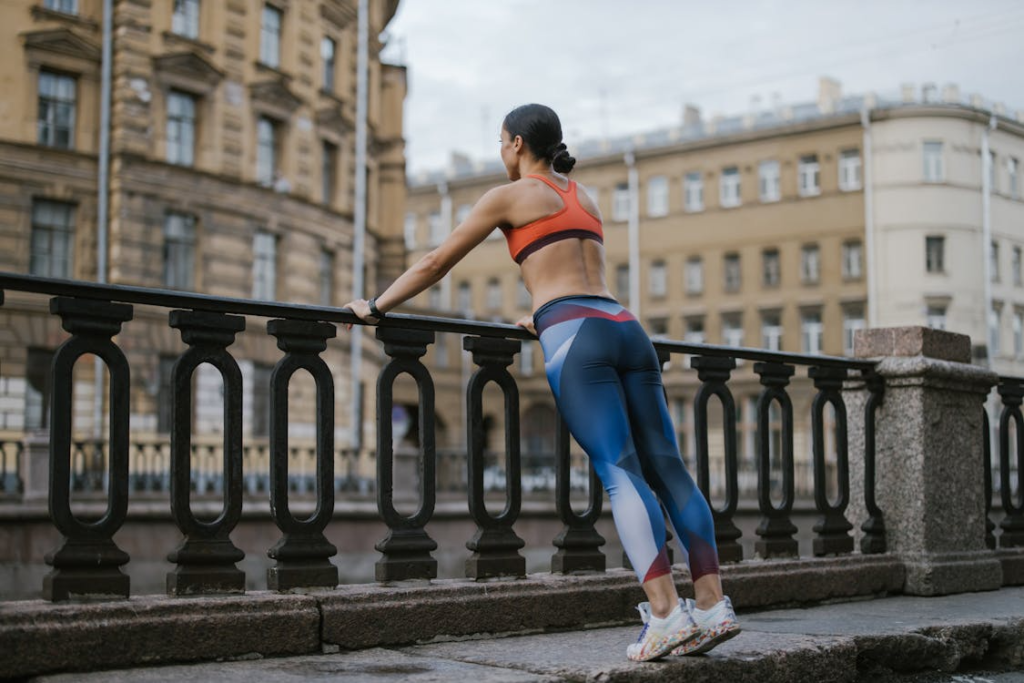
Firmer calves can eliminate trips and falls by enhancing ankle stability. According to experts, regular heel lifts may probably reduce the amount of effort required in walking up steps or walking on uneven neighborhood sidewalks without much hassle.
Bird-Dog Stretch
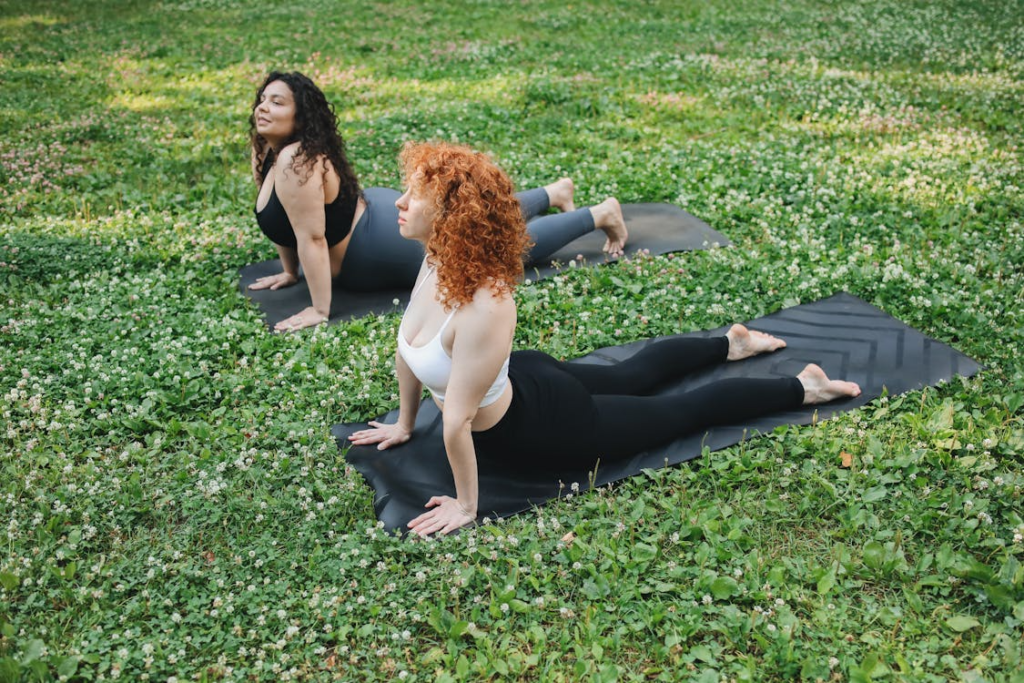
This cross-body exercise is aimed at stabilizing the core and coordination. A healthy midsection may possibly save the spine against any injury and, therefore, may make it a lot easier to engage in simple activities such as gardening or cleaning.
Dead Bugs
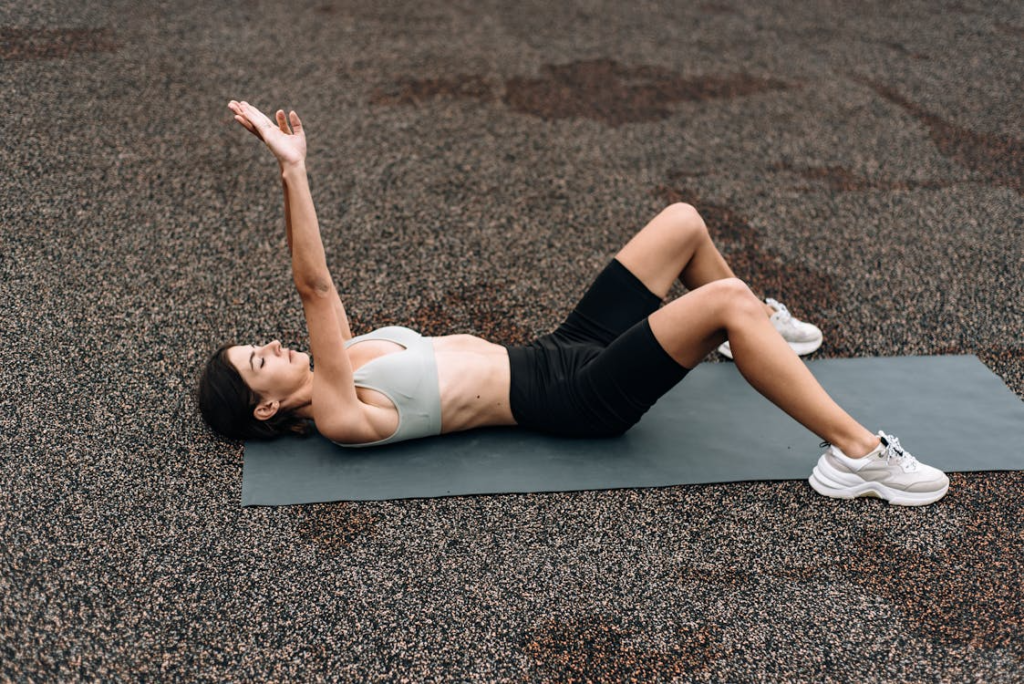
The trick of lying on your back and moving opposite limbs will help get the brain and muscles in sync. The exercise has little impact and thus may enhance core engagement, which is usually necessary to sustain a straight and consistent posture.
Farmer’s Carry
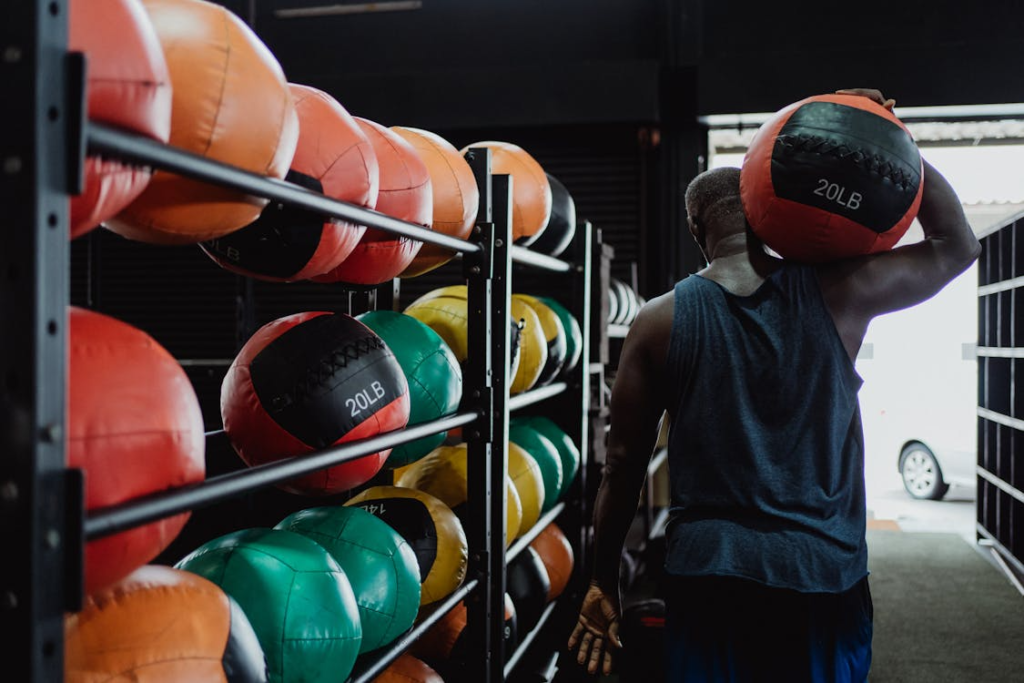
Even walking with moderate weights will be similar to carrying grocery bags. Studies have indicated that better grip strength and carrying capacity may potentially relate to a long and more active and healthy life.
Scapular Squeezes
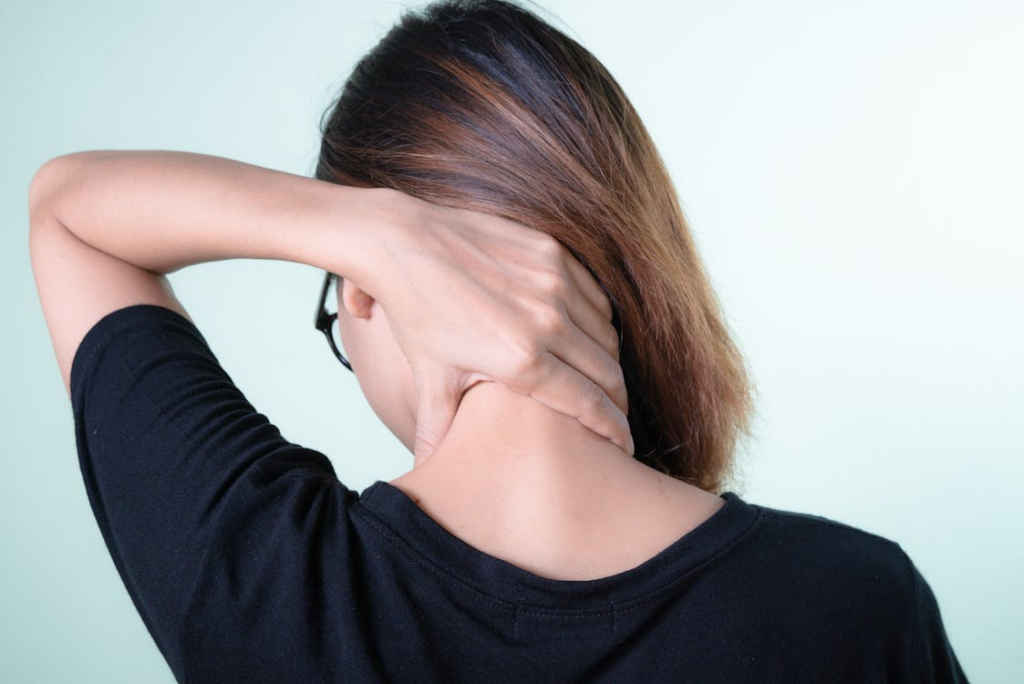
Squeezing shoulder blades can help reverse the sitting “slouch” effect. Improved shoulder motion would be a possible way to alleviate chronic neck tension and enhance the required range of motion to reach high cabinets.
Single-Leg Stands
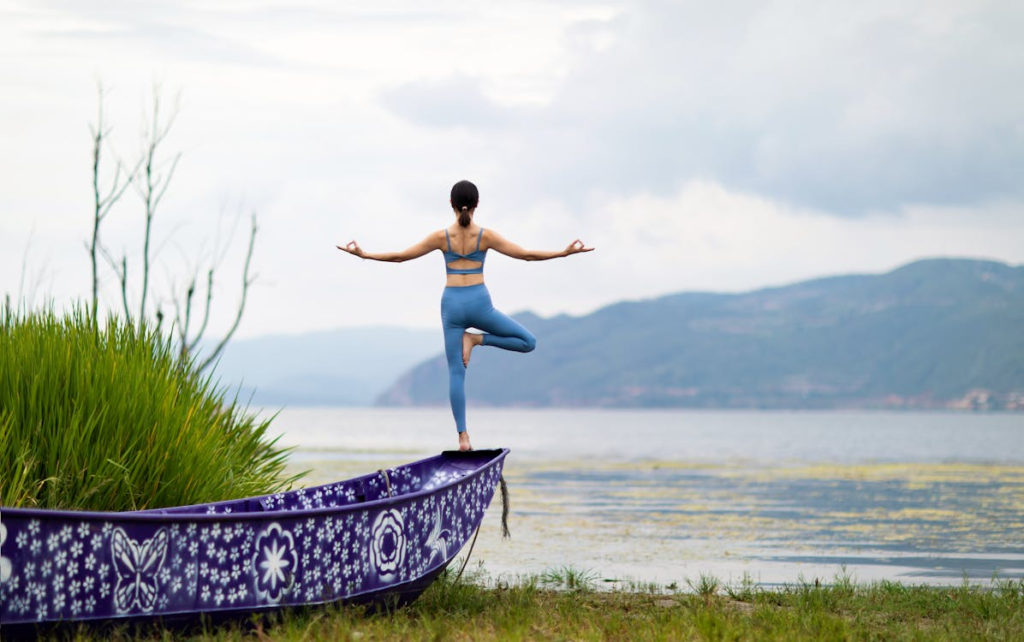
One of the simplest methods to put your nervous system to the test is by standing on one foot and brushing your teeth. A better balance could go a long way to decrease accidental falls as we get well into our sixties.
Step-Ups
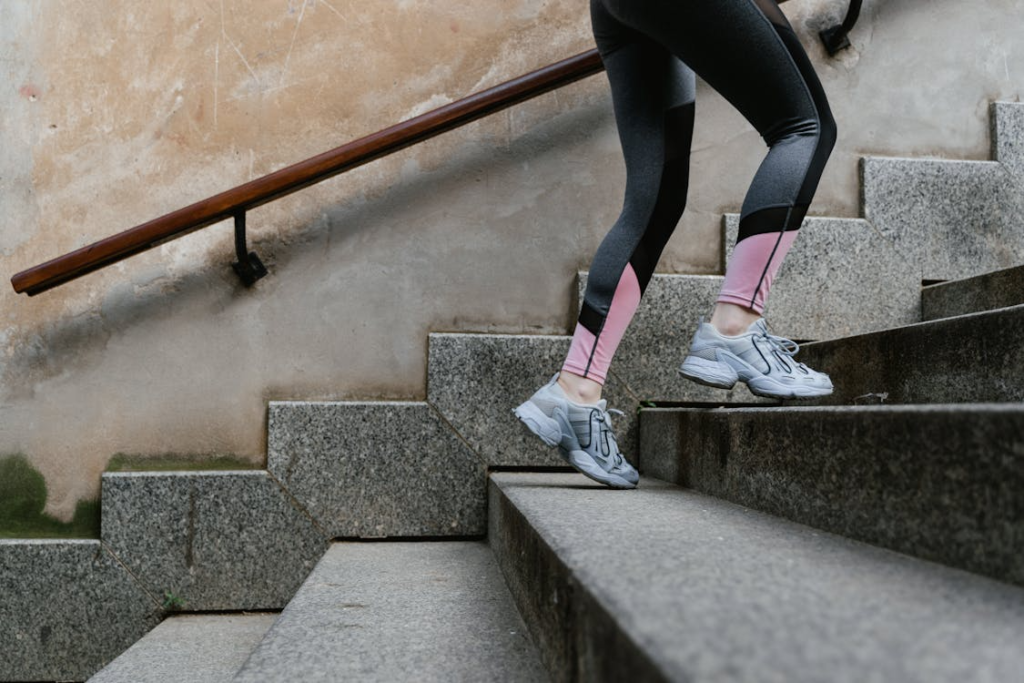
A sturdy bottom step can be used to re-establish quad strength. There are clinical observations that stair-climbing imitators can enhance the health of the heart and leg strength, and thus, long walks can become more enjoyable and enduring.
Countertop Planks
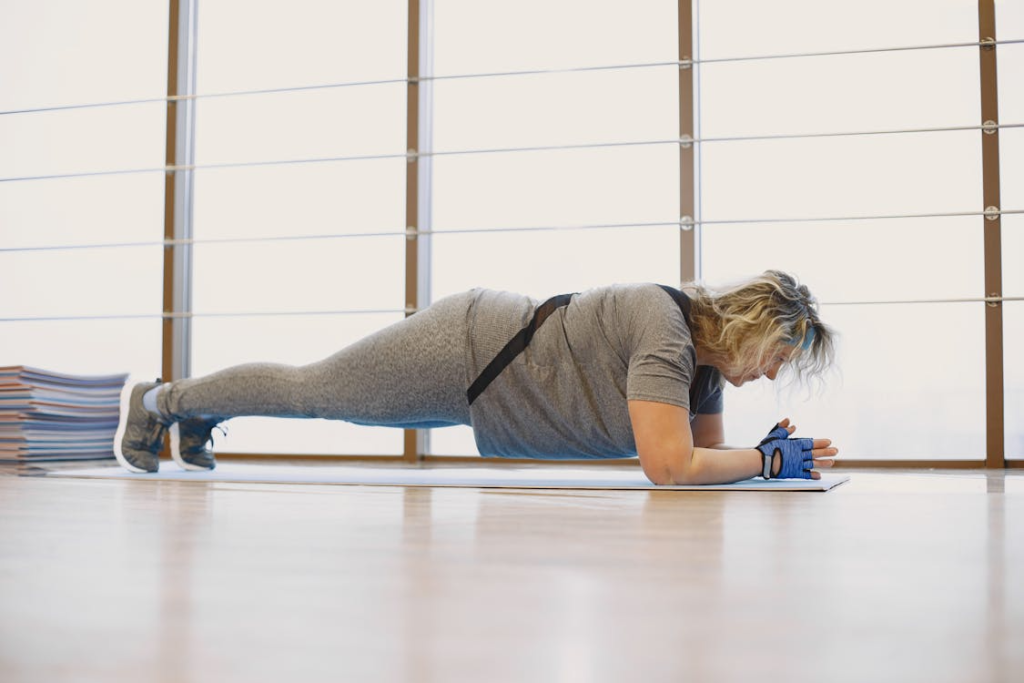
Planking on a stable surface creates tension in the entire body. Research in sports medicine indicates that exercises that involve the core may have potential in improving stability that is needed in virtually all our physical movements that we make on a daily basis.
Seated Row Mimics
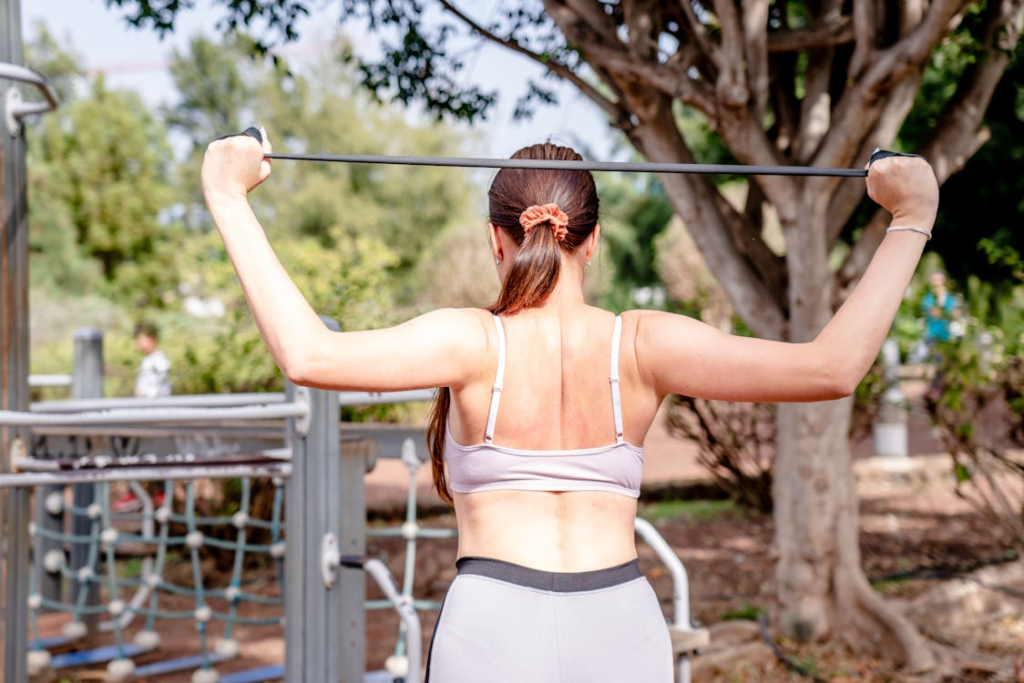
The upper back is strengthened by pulling it with a resistance band towards the chest. The movement could assist in the draw-up of the shoulders into a more normal position, which can relieve usual age-associated spinal pressure.