 Morina Gael
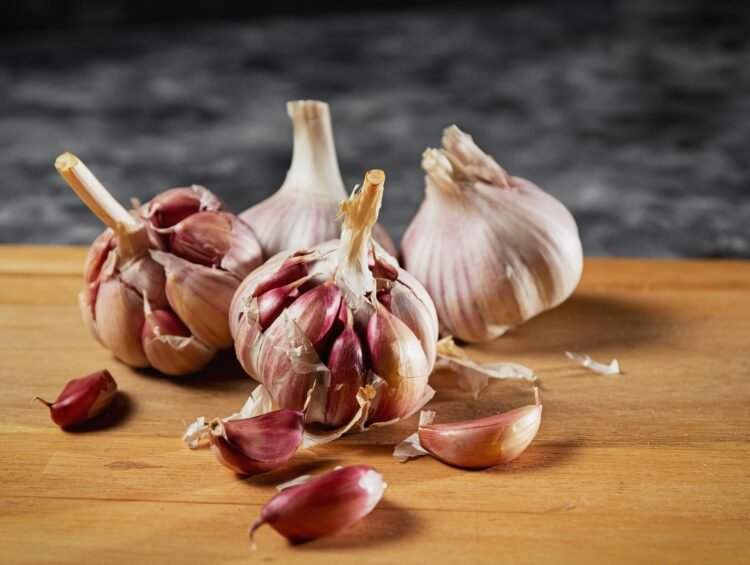
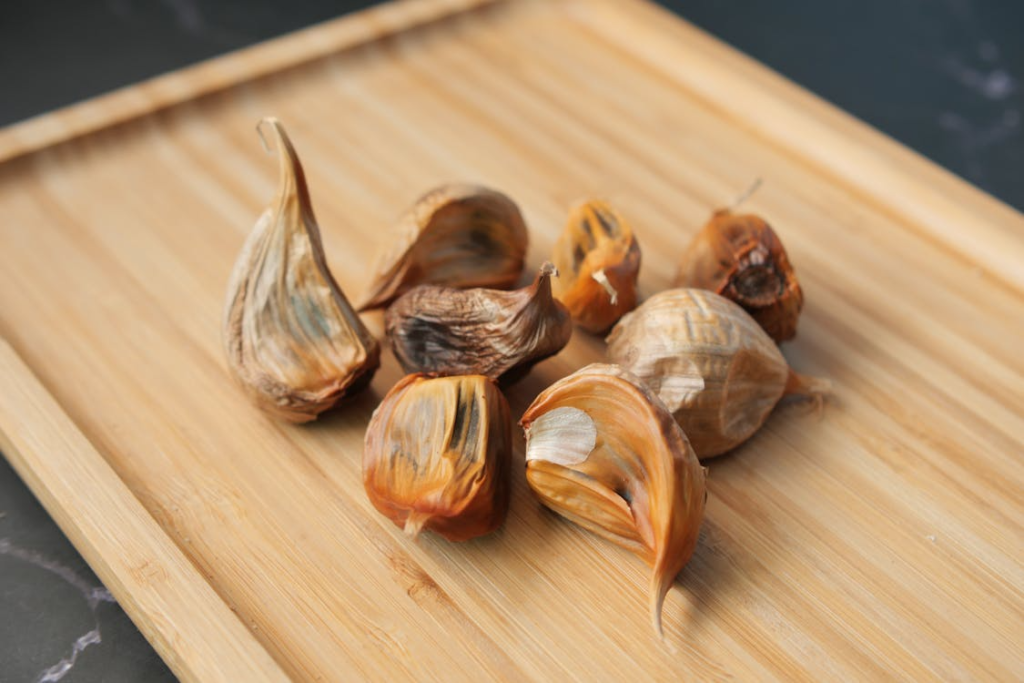
 We all have experienced those moments where we put our hand into the pantry to get a shriveled, sprouted, or moldy bulb of garlic just when it is required the most in the pasta sauce. Although it appears to be a kitchen staple, a study published in the Journal of Food Science indicates that when allicin, the substance that gives it its claimed health benefits, is stored improperly, it may quickly be depleted. Garlic knowledge can potentially leave your kitchen smelling wonderful and your meals healthy now that you know where to keep your garlic.
Avoid the Cold Fridge
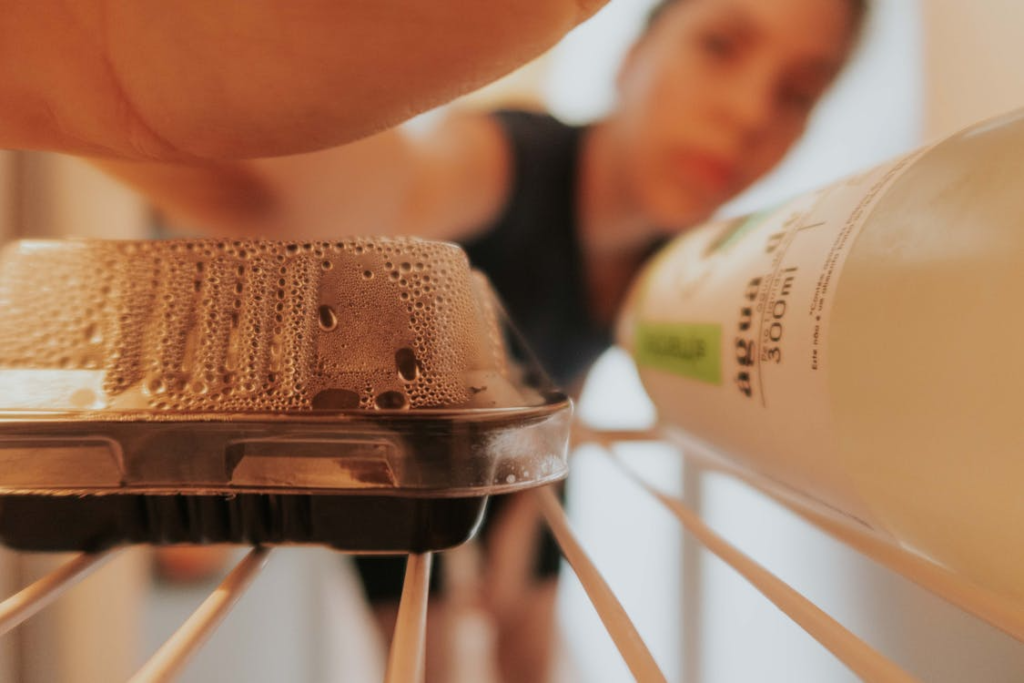
The cold temperature of the refrigerator would actually cause whole garlic to sprout because the refrigerator is simulating winter. It has been found that this moisture may promote mold growth, which may destroy the bulb way faster than anticipated.
Prioritize Dry Airflow
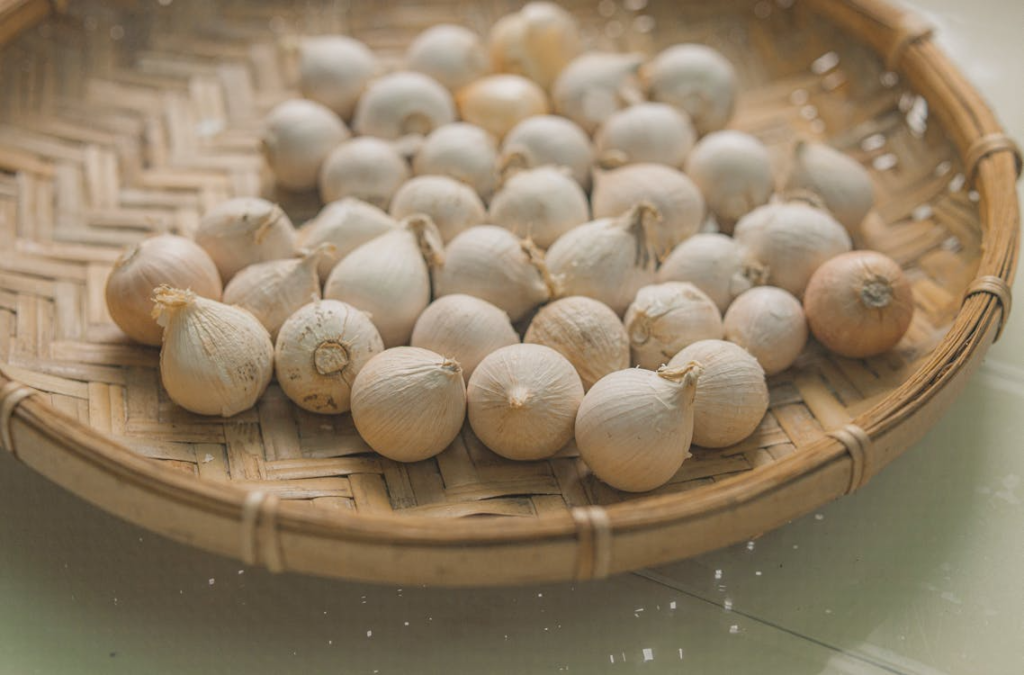
Garlic is a cool and dry plant that should be well-ventilated. Putting it in a mesh bag or a wire basket could be the possible solution to the moisture accumulation that can cause rot.
Skip Plastic Bags
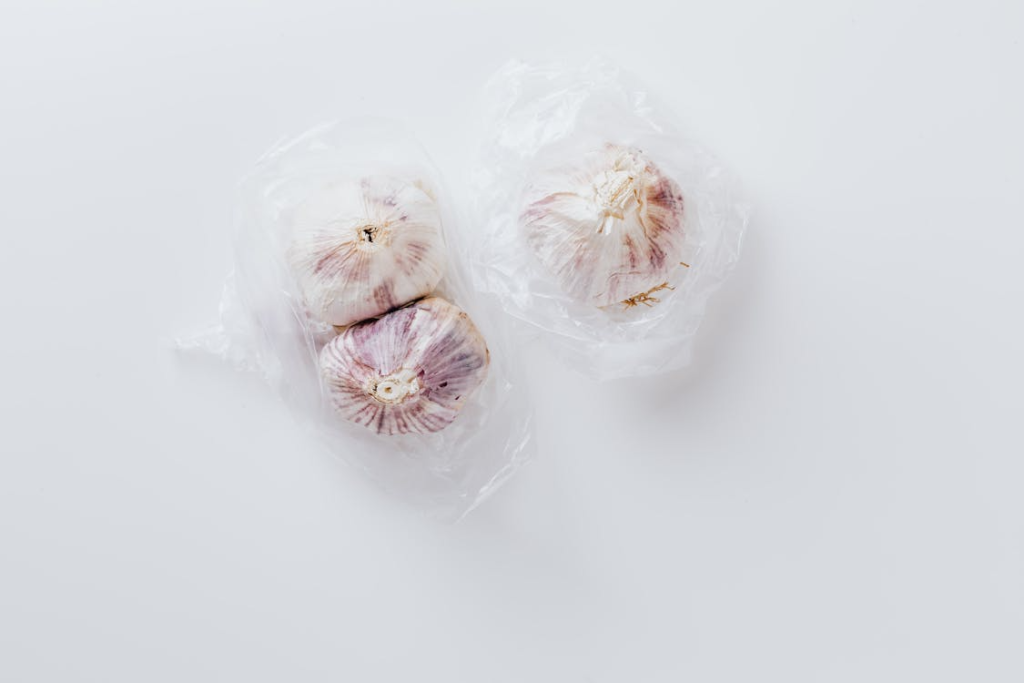
Plastic moisture traps and forms a humid environment, which garlic does not prefer. A better option could be to switch to a paper bag, which will allow the cloves to breathe without going dark.
Leave the Skin On
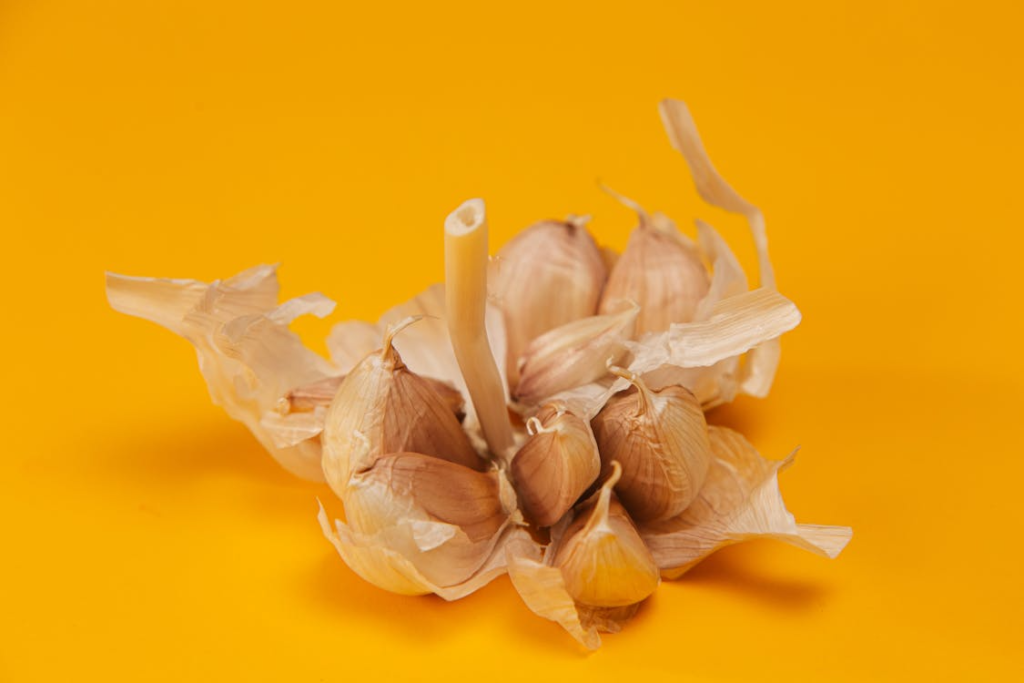
The papery skin is a natural shield against the elements. According to experts, it could be recommended to peel cloves not too early so that they can be exposed to oxygen, which could then hasten the breakdown of those healthy oils.
Watch for Sprouts
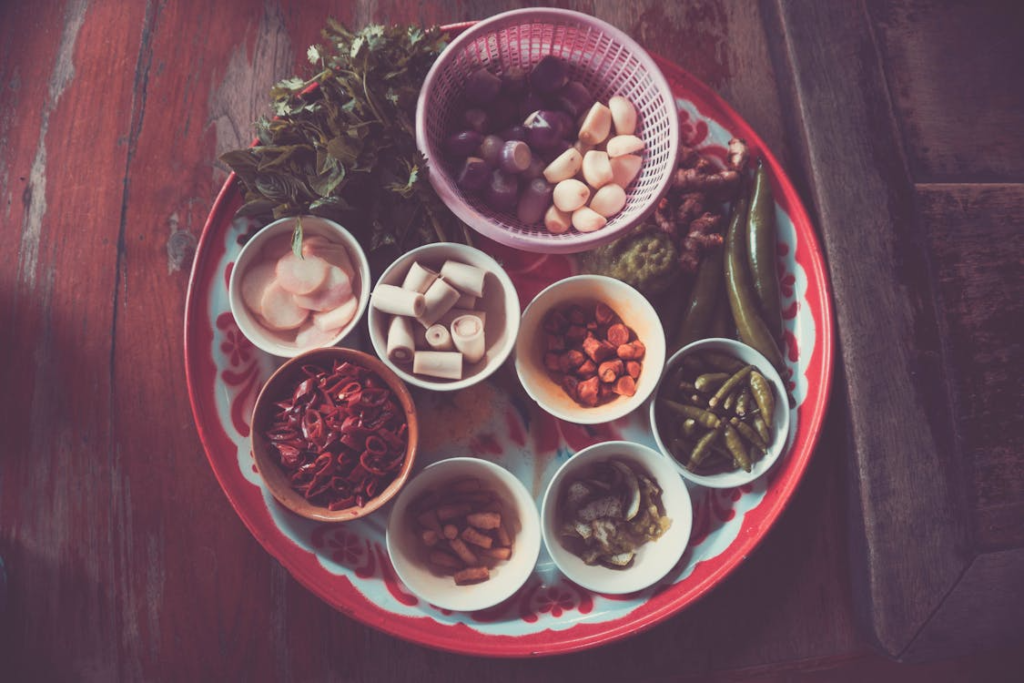
When the sprouts are green, they are not necessarily harmful but may be an indication that the garlic is old and bitter. The bitter green core may be removed, which may make your dishes made by cooking taste better.
Try Room Temperature
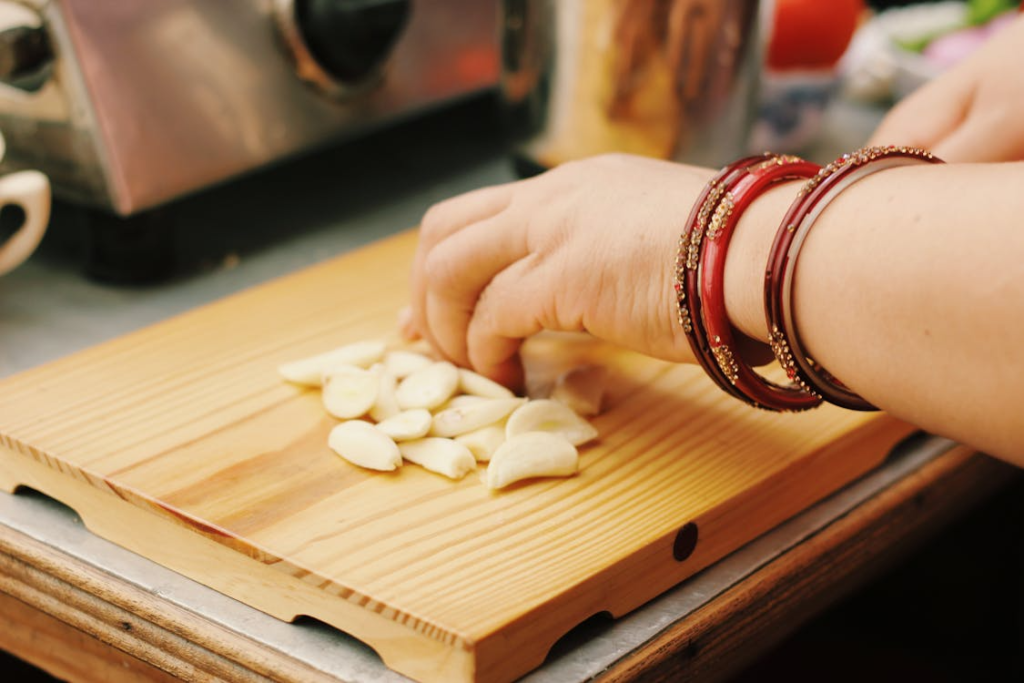
According to most chefs and food scientists, the room temperature is usually the golden mean. This condition could be beneficial in preserving the structure of the cloves till you are prepared to cook.
Crush Before Using
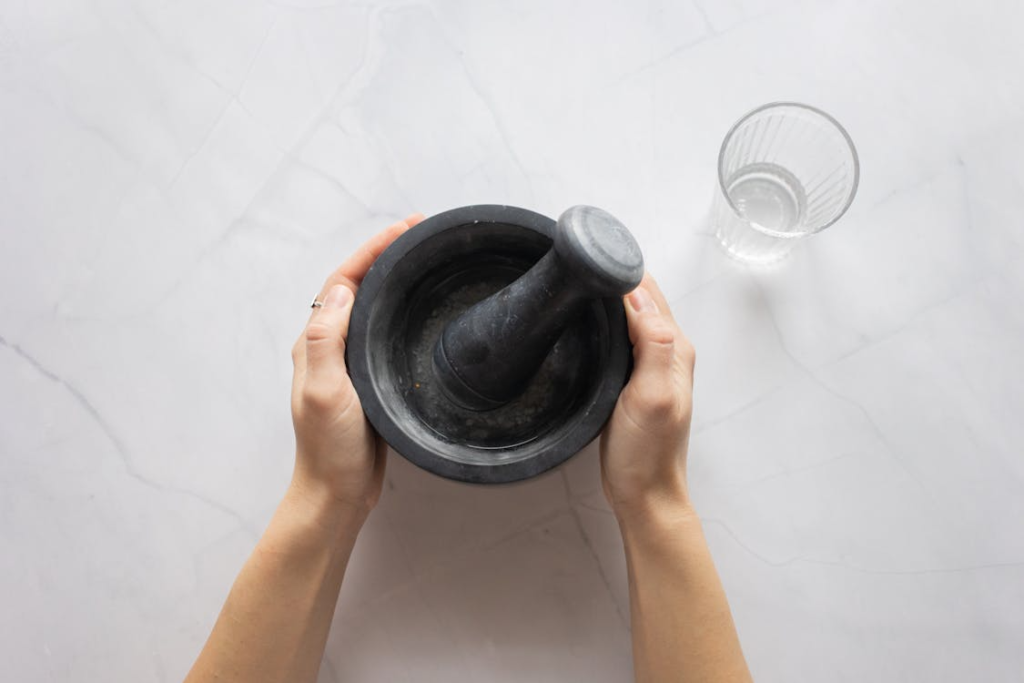
Studies published in the Journal of Agricultural and Food Chemistry show that allicin may be activated when garlic is crushed and allowed to rest for over ten minutes. This mere break might maximize the health benefits.
Store Away From Onions
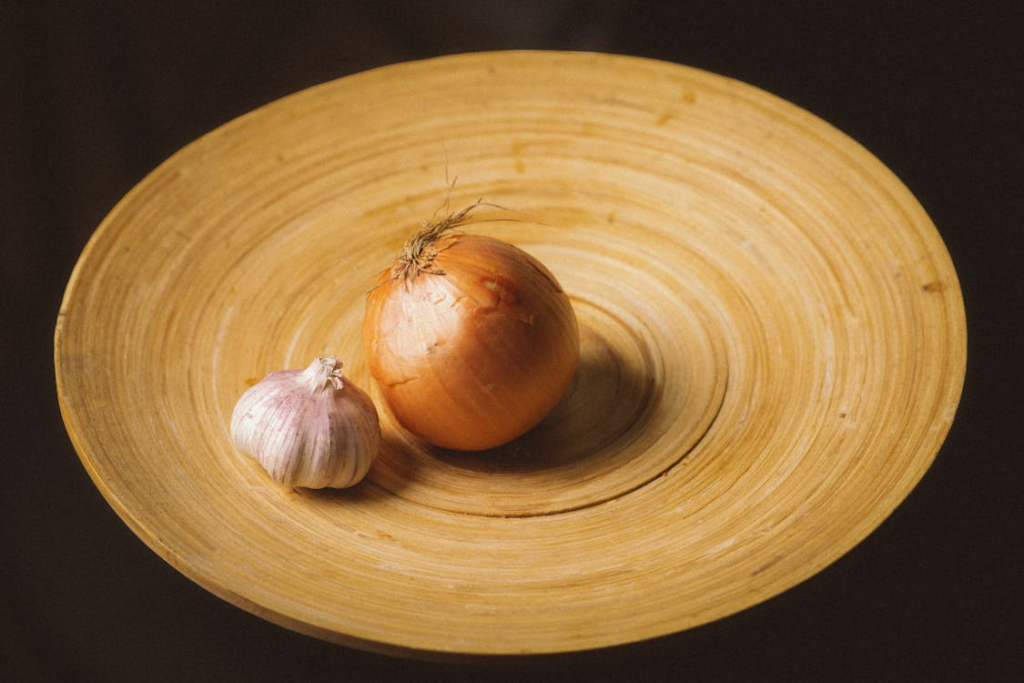
Although they are culinary cousins, onions and garlic may tend to sprout in each other when they are in contact. Having them in different baskets could be a possible way of extending the shelf life of both vegetables.
Avoid Pre-Minced Jars
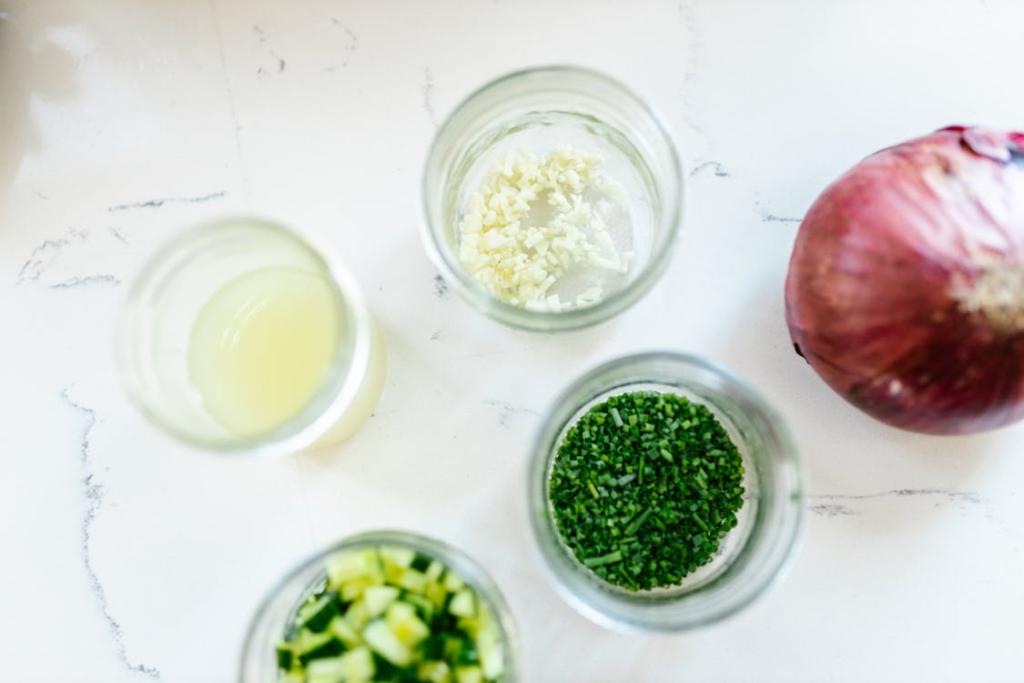
It is easy, but ready-prepared jars of garlic usually have preservatives and contain less allicin. Minced garlic could possibly be more flavorful and nutritionally better for your family.
Never Use Oil
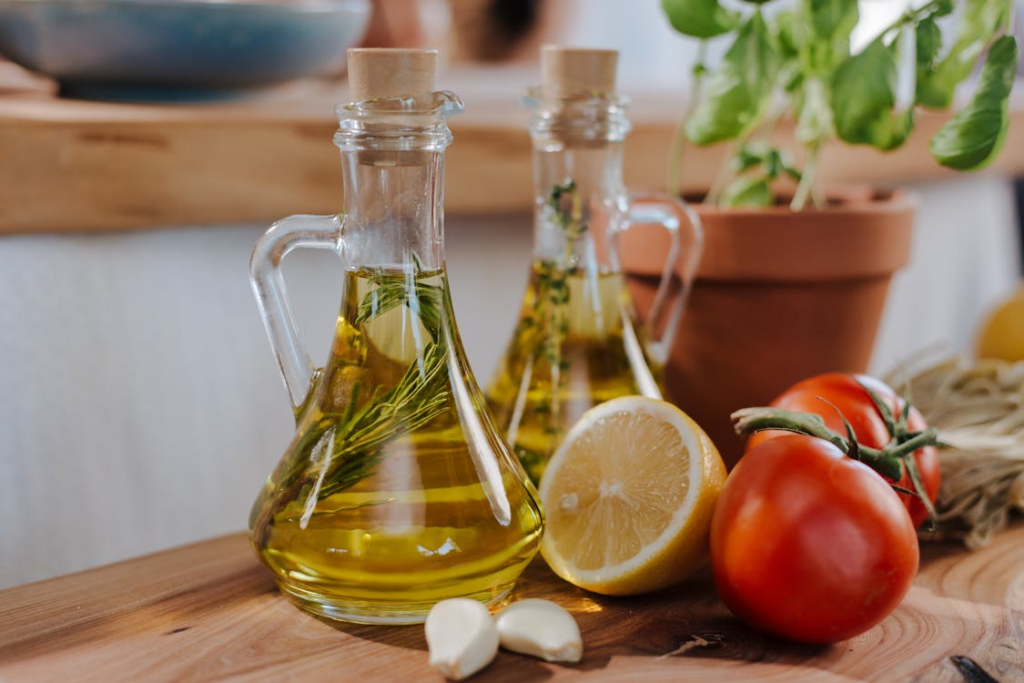
The USDA guidelines indicate that storage of raw garlic in oil at room temperature could potentially pose a risk of botulism. Stored oil infusions should always be refrigerated and consumed within a short period of time to remain safe.
Check for Firmness
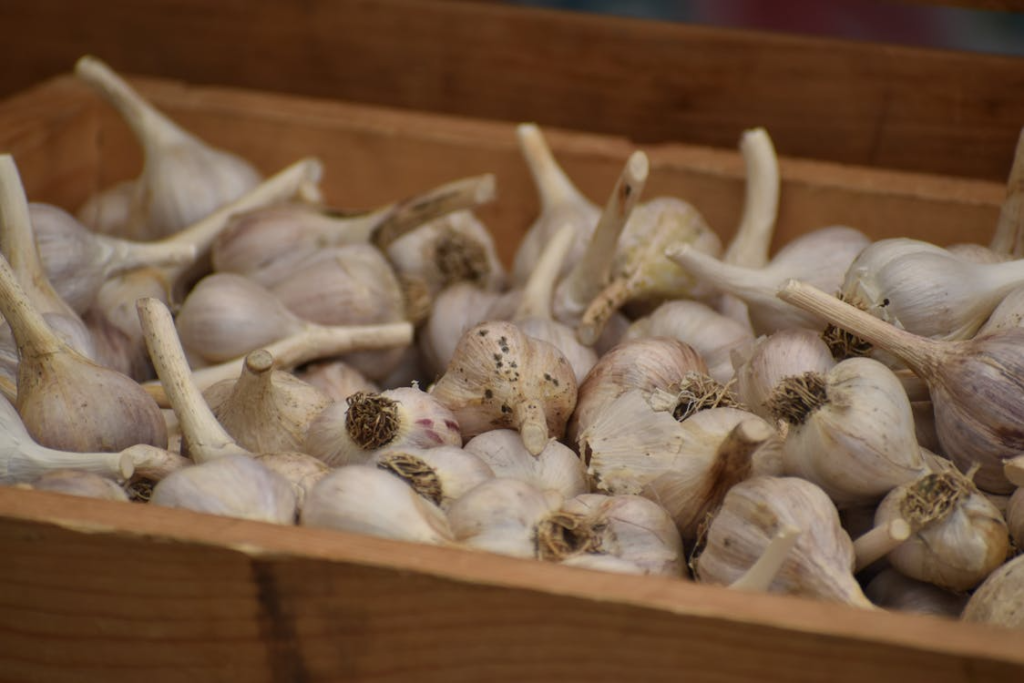
A mild squeeze can tell you a lot about the well-being of the garlic when purchasing it. Firm bulbs have a higher tendency to contain a greater amount of moisture and active enzymes as compared to those that are soft.