
 Morina Gael
 Among the endless Zoom calls and the buzzing of our phones all around, it is easy to forget the minor cues our bodies give us when we are overburdened. According to recent statistics of the American Psychological Association, it is possible that chronic stress can influence our inflammatory reaction and sleep patterns dramatically. Early detection of these physical signs may be a way to re-establish your health. You can possibly rediscover a sustainable way to get you back to yourself again by leaning into natural adjustments.
Constant Afternoon Fatigue

If you are crashing daily at 3:00 PM, then your cortisol levels may not be in sync. According to a study published in Frontiers in Psychology, exposure to short periods of natural light may even have a stabilizing effect on your rhythm.
Unusual Skin Breakouts

When we are under stress, it frequently manifests itself on our faces, with inflammatory reactions. A clinical trial published in the Journal of Clinical and Aesthetic Dermatology indicates that mindful breathing has the potential to make the stress-related skin problems less severe.
Frequent Sugar Cravings

When stressed, we tend to need fast energy. There is research evidence in Nature that consuming complex carbohydrates instead of refined sugars may indeed be a way of controlling insulin and these sudden, frequent cravings.
Disturbed Sleep Patterns
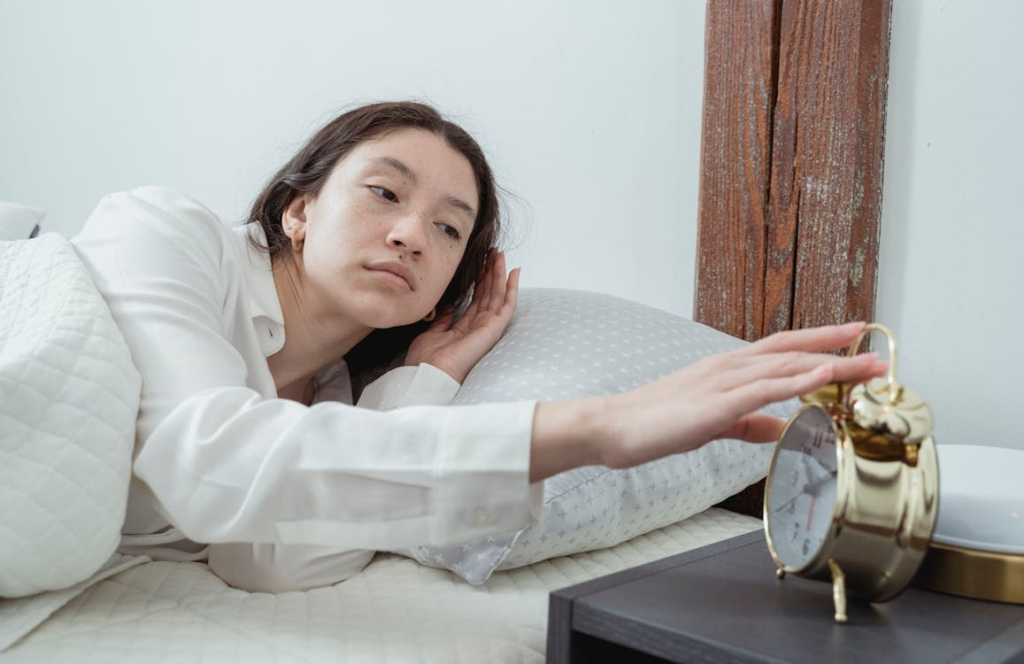
Tossing and turning may be an indication of a hyper-aroused nervous system. It may be possible to enhance the production of melatonin by limiting the amount of blue light emitted by screens prior to bed, just as research in Applied Ergonomics proposes.
Persistent Muscle Tension

The most common physical symptoms of mental pressure are clenched jaws or tight shoulders. According to the Journal of Bodywork Therapies, gentle stretching or yoga could possibly reduce muscle sympathetic nerve activity.
Changes in Digestion

The gut and the brain are closely intertwined with the help of the vagus nerve. Microbiome studies indicate that an increased fiber diet may have potential in maintaining a healthier gut ecology in times of high emotional distress.
Weakened Immune Response

Being a victim of every cold that passes along could be an indication that your system has been overworked. Clinical studies by psychosomatic medicine indicate that regular moderate exercise may possibly increase immune surveillance and general physical well-being.
Heightened Emotional Sensitivity
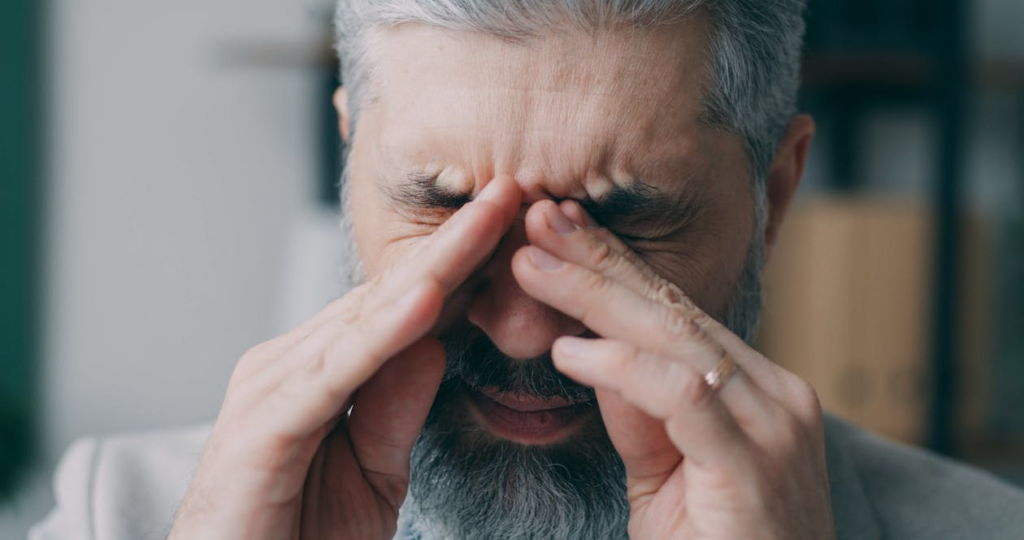
Emotional exhaustion may be manifested by being unusually irritable or weepy. Environmental Health has found that spending time in green spaces may possibly reduce stress indicators such as heart rate and blood pressure.
Constant Headaches

The occurrence of tension headaches is usually caused by a lack of hydration or poor posture. This may be because raising the daily water intake may help to alleviate the frequency and severity of these pains, as reported in the literature of family practice.
Loss of Motivation

Sudden loss of interest in hobbies may indicate that burnout is on the verge. A study in PLOS ONE suggests that even brief sessions of digital detoxing could possibly restore dopamine sensitivity and motivation.
Morning Stiffness
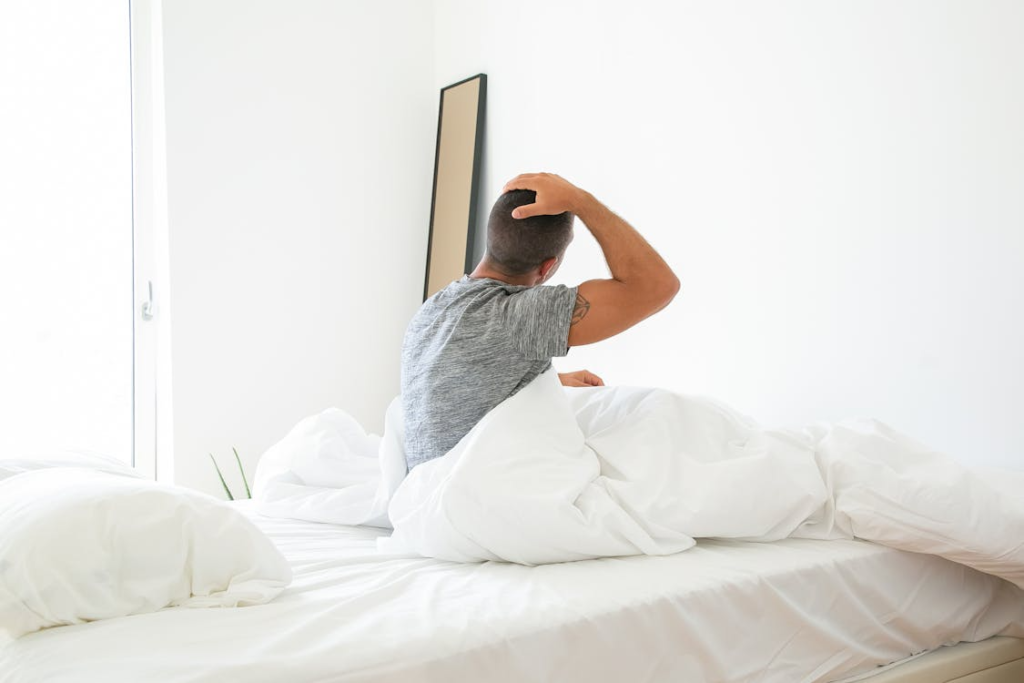
Rigidity on waking up may be a sign of systemic inflammation. Research in Arthritis Research & Therapy indicates that taking omega-3 fatty acids may potentially ease joint pains and make you feel better in the morning.
Racing Thoughts at Night

A busy mind will tend to interfere with a profound, restful sleep. Engaging in a brain dump (writing about concerns) could be a possible solution to reducing cognitive arousal, which numerous psychological studies on journaling before bed suggest is possible.