 Morina Gael
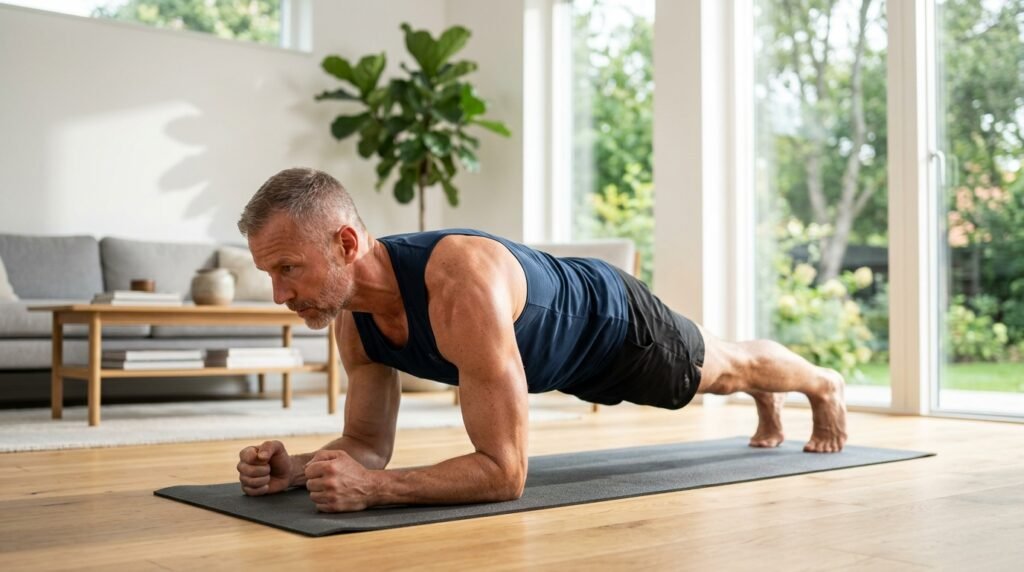
 Reaching the age of fifty is often accompanied by a new image of physical strength and the way we move around the world. Recent fitness standards published in The Journal of Strength and Conditioning Research indicate that isometric holds, such as the plank, are important predictors of functional longevity. Assuming you can hold the proper posture at least sixty seconds, you may be performing better than the average physiological deterioration generally experienced in middle age.
The Magic One Minute Mark
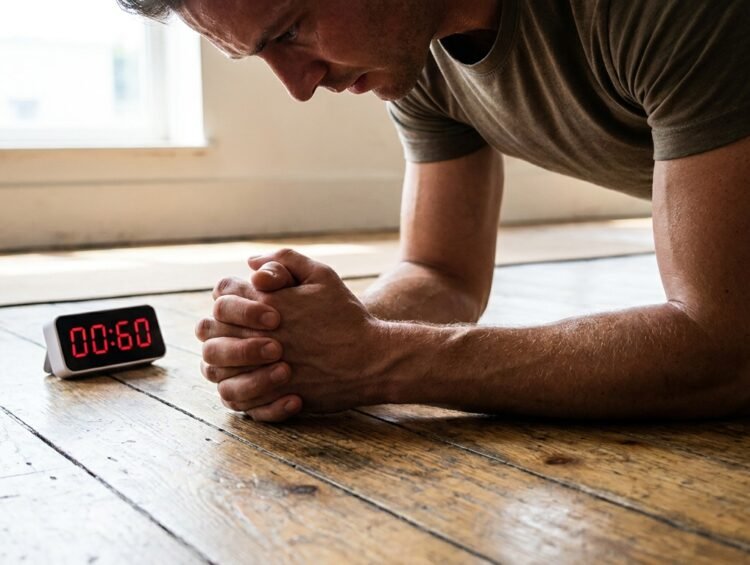
Having a sixty-second hold is a frequently used measure of brilliant core stability by kinesiologists. This period of time can indicate that your deep abdominal muscles are giving a great deal of support to your whole spine.
Stability Over Heavy Lifting
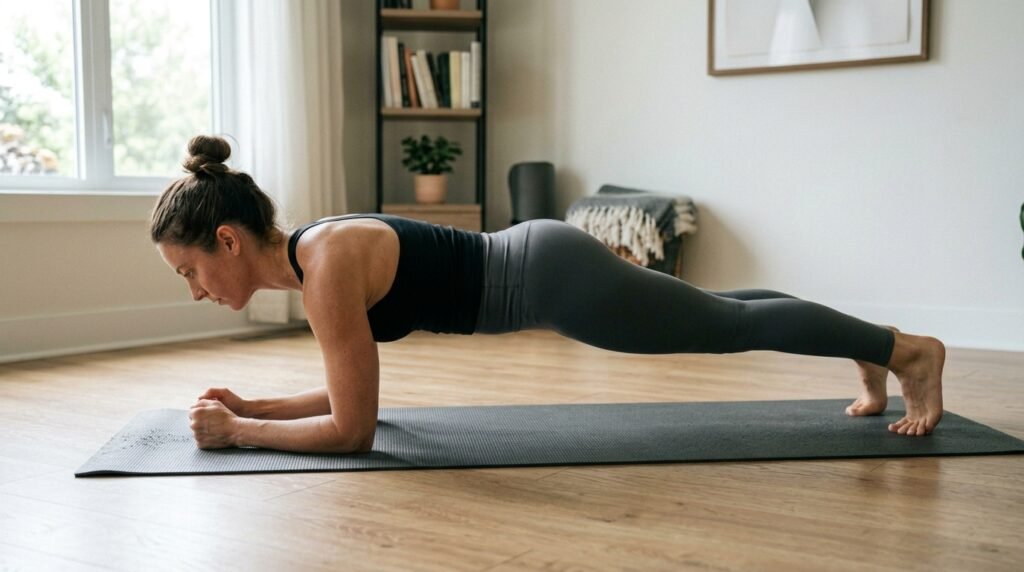
It may rather be useful to concentrate on the duration of the ability to maintain the position rather than the time spent working with heavy weights. Stability exercises have the potential to lessen the risk of typical age-associated harms by reinforcing the smaller assistive or support muscles.
Protecting Your Lower Back
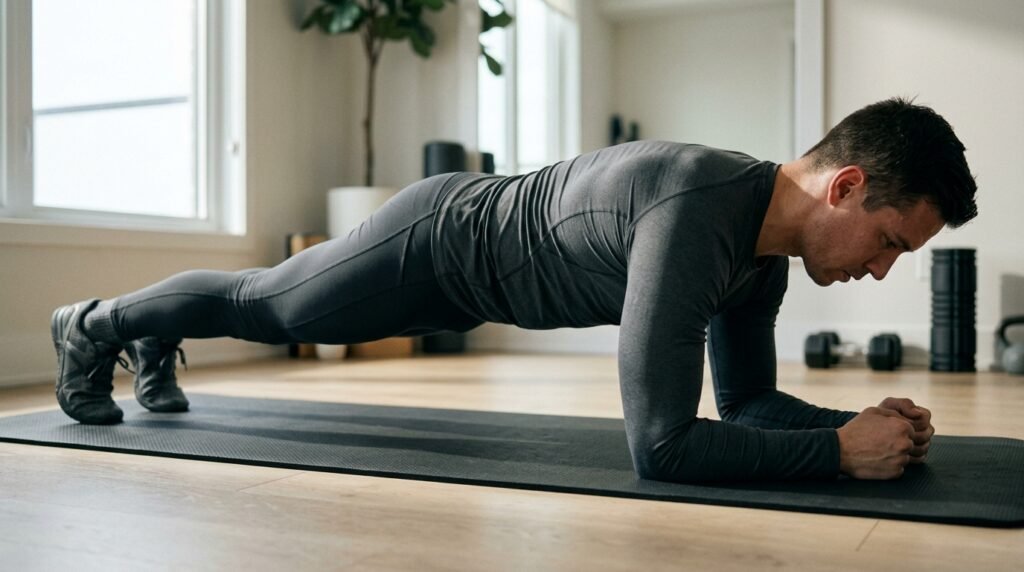
The lumbar region is braced naturally by the strong core. Spinal research shows that isometric endurance could be a more reliable indicator of back health as compared to raw strength in elderly individuals.
Improving Your Daily Posture
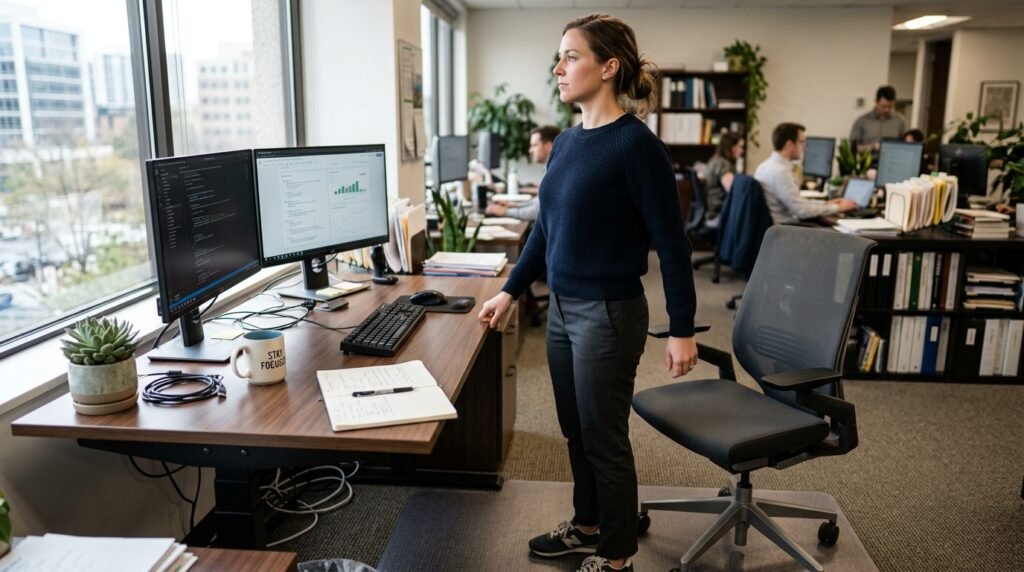
Planking would demand complete body alignment that may translate to improved posture when sitting in a position and standing. This can be better aligned and help to prevent the rounded shoulders that occasionally occur as we spend more time at desks.
Enhancing Balance and Coordination

Core endurance has a high association with our capability to remain upright in unforeseen movements. This measure could be improved to keep you in balance on an uneven hiking trail or in a fast pickleball game.
Strengthening Your Shoulder Girdle
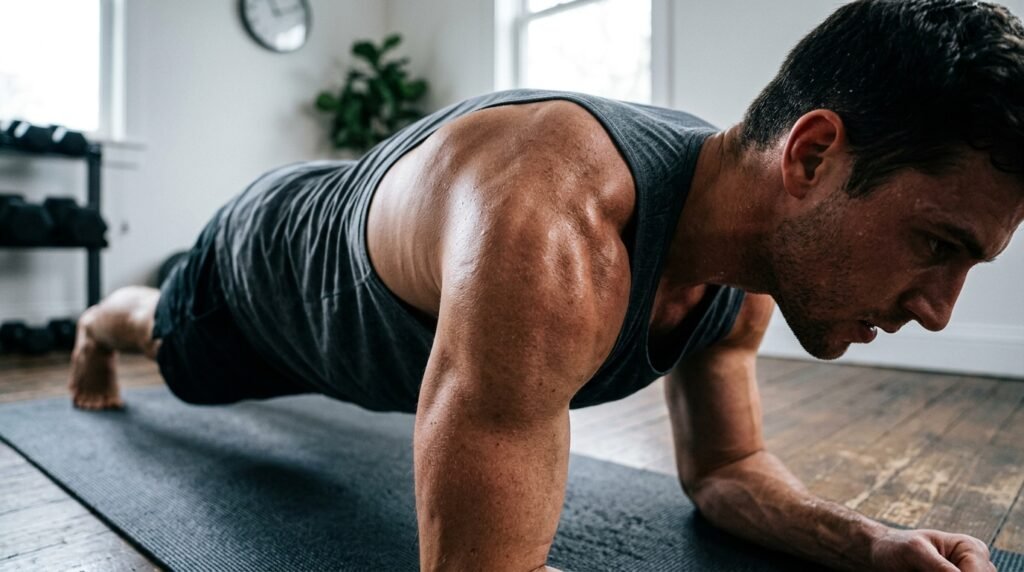
Planks are not only about your abs, but they also take a lot of work from your shoulders and upper back. This isometric tension may assist in preserving joint integrity as the connective tissues inherently change over the years.
The Impact of Consistency
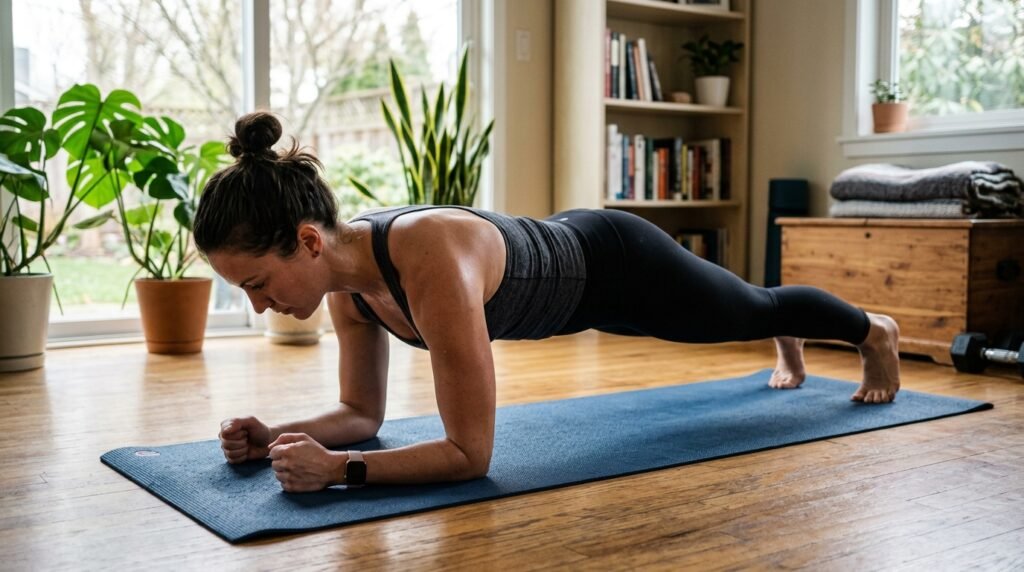
It has been argued by experts that it may be more effective to do shorter planks on a regular basis than a single long plank. The frequency might be the key to muscle memory and avoiding the loss of core tension that may happen gradually.
Avoiding Potential Overexertion
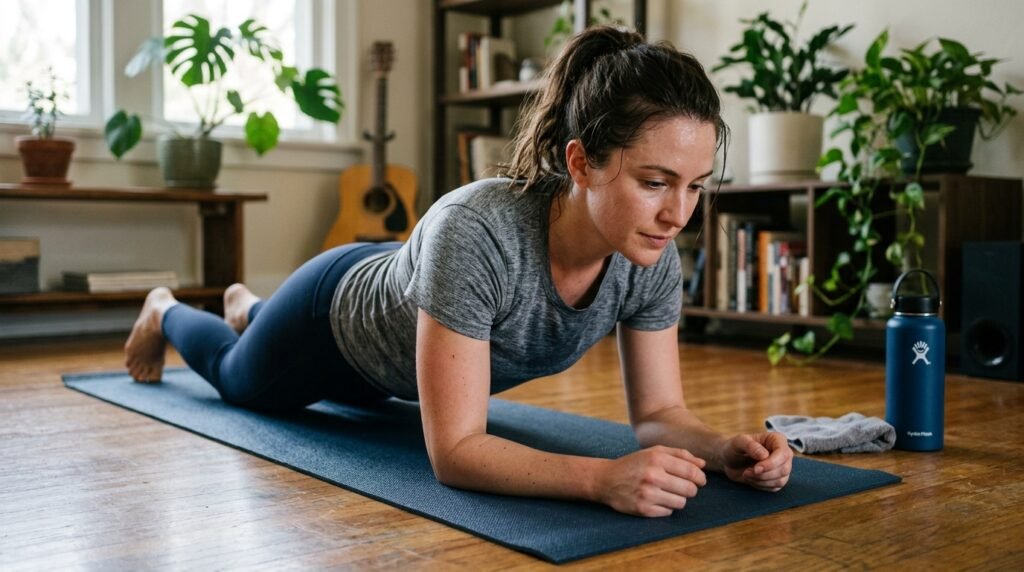
One should always pay attention to their bodies and quit if they experience sharp pains. Form is also perhaps more significant than time on the clock to ensure there is no undue strain.
Measuring Your Progress Monthly

Recording your plank time after a month can be a rewarding experience of observing your fitness progress. Especially the five-second difference may give you a real impetus to keep up with the exercise.
Staying Ahead of the Curve
In continuing with this much core endurance, you are probably keeping your functional age below your chronological age. This preventive measure could be a beautiful present for your future.