 Morina Gael
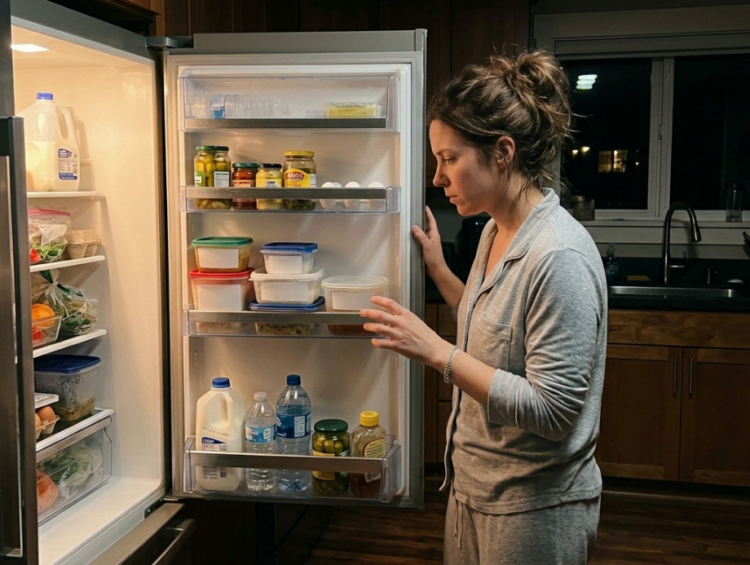
 All but the most virtuous and well-organized households have one overflowing shelf in the refrigerator filled with half-eaten leftovers, take-out cartons, and assorted covered plates you’d not dare to throw away. Throughout the last few months, food safety specialists from the United States Department of Agriculture and the Food and Drug Administration have been pounding home the idea that some leftovers are to be avoided after being combined, eaten after improper reheating, or simply kept for extended periods of time. Although most kitchen shortcuts seem to be easy ways around a busy schedule, they could produce unintended food safety hazards.
Rice Left Sitting Too Long
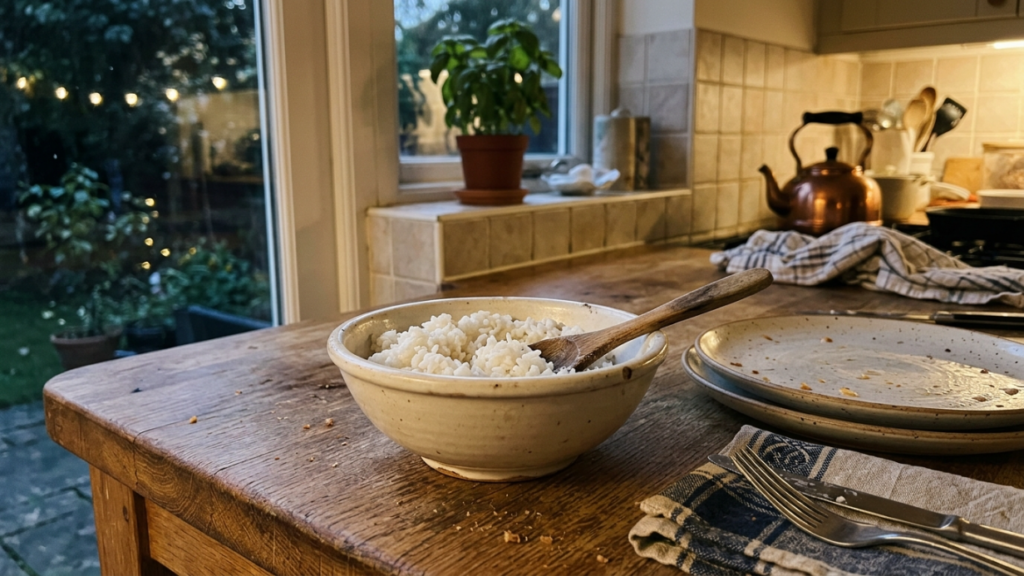
According to research by the Food and Drug Administration, cooked rice can become infected with bacteria called Bacillus cereus if it is not refrigerated for too long.
Reheated Fried Chicken Repeatedly
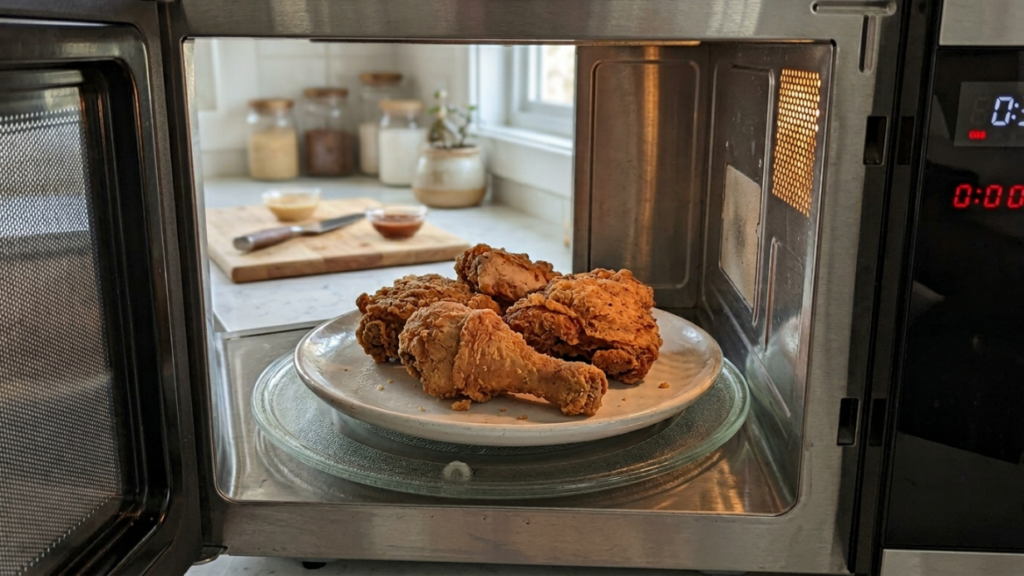
Repeated reheating may dry out the fried chicken and may also be a source of food safety problems if the internal temperature is not brought to a safe level according to the USDA.
Hot Food Sealed Immediately
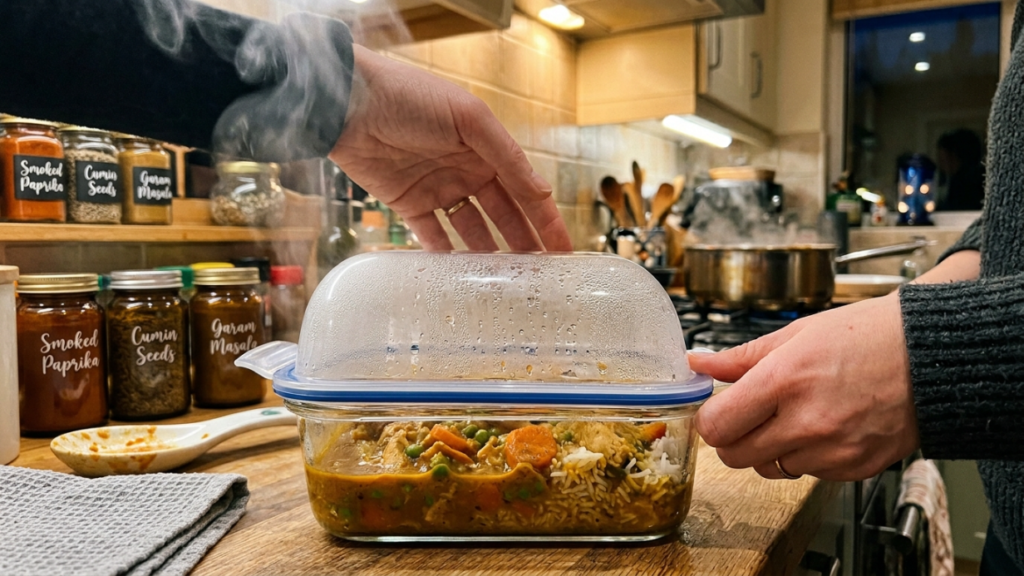
Putting leftovers in sealed containers is a situation that can prevent even cooling of the food and cause bacterial growth before the refrigerator distributes the heat evenly.
Eggs Stored Beside Raw Meat
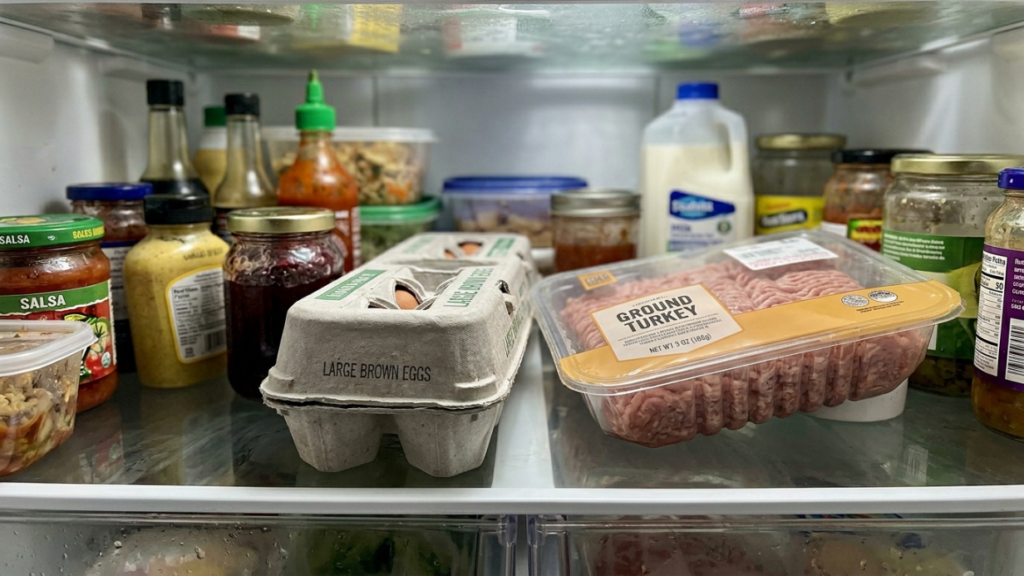
Any remaining eggs or preparations of eggs that are stored close to raw meat are at risk of cross-contamination should the juices leak inside in the clutter of most fridges, as food safety agencies so often warn.
Cream Sauces Reheated Too Fast
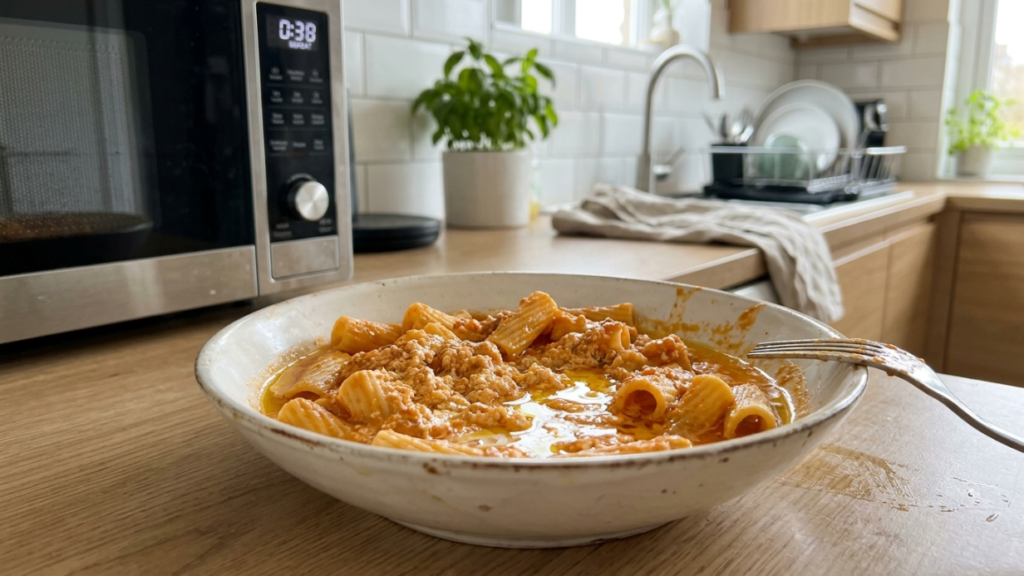
Leftover sauce with cream might separate or go off even more unevenly when it is heated in the microwave. Professional advice for heating this sauce is generally a slower heat with stirring.
Potatoes Wrapped in Foil
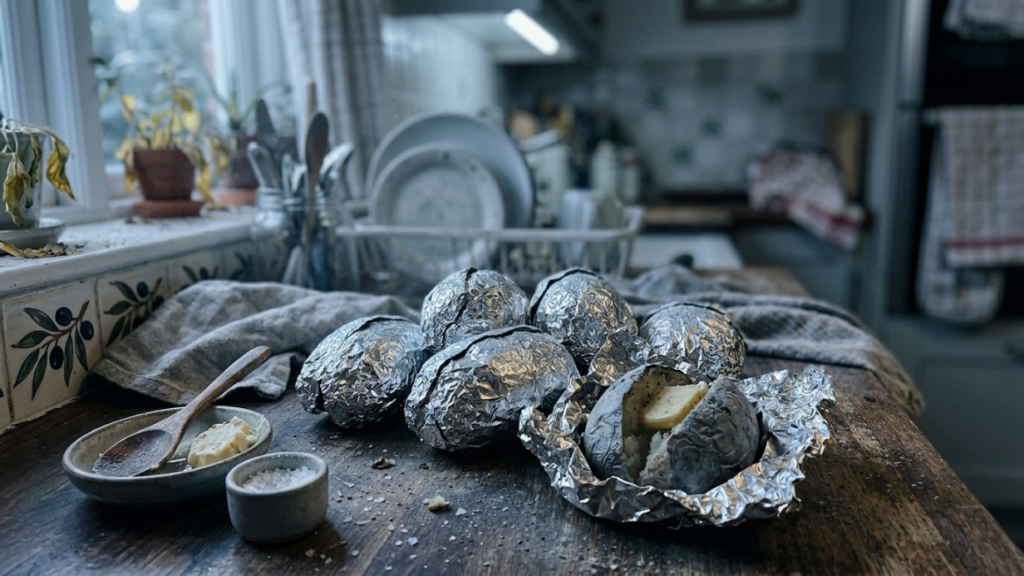
This is said to heat the product more safely. As guidance discussed by food safety specialists, ‘When left to cool in a warm place, baked potatoes in foil provide the perfect temperature for bacteria to multiply.
Fish Reheated in Plastic Containers
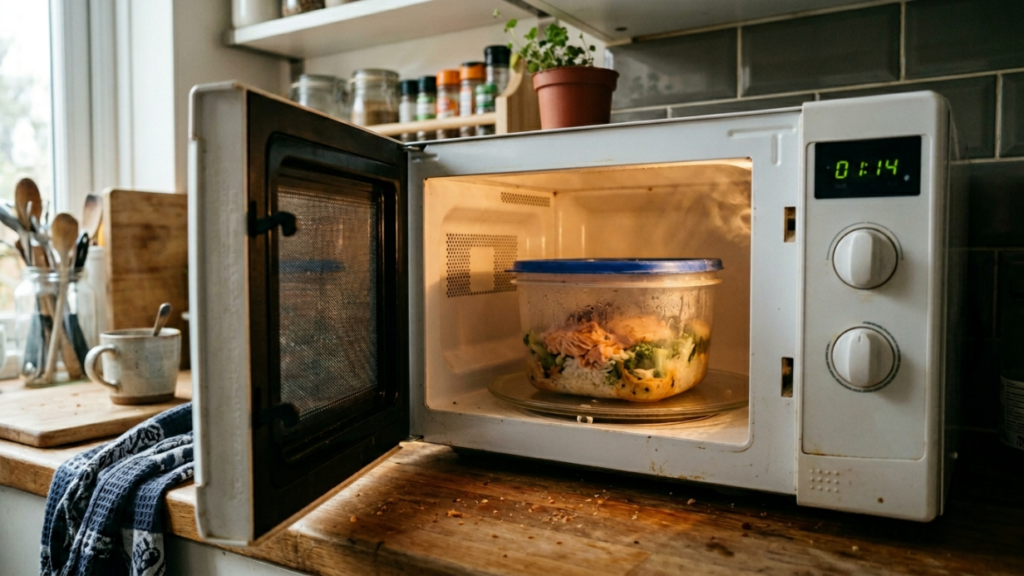
Older plastic containers are liable to not withstand high reheating temperatures. The Food and Drug Administration suggests containers that are microwave safe and made just for food reheating.
Leftover Buffet Plates Combined Together
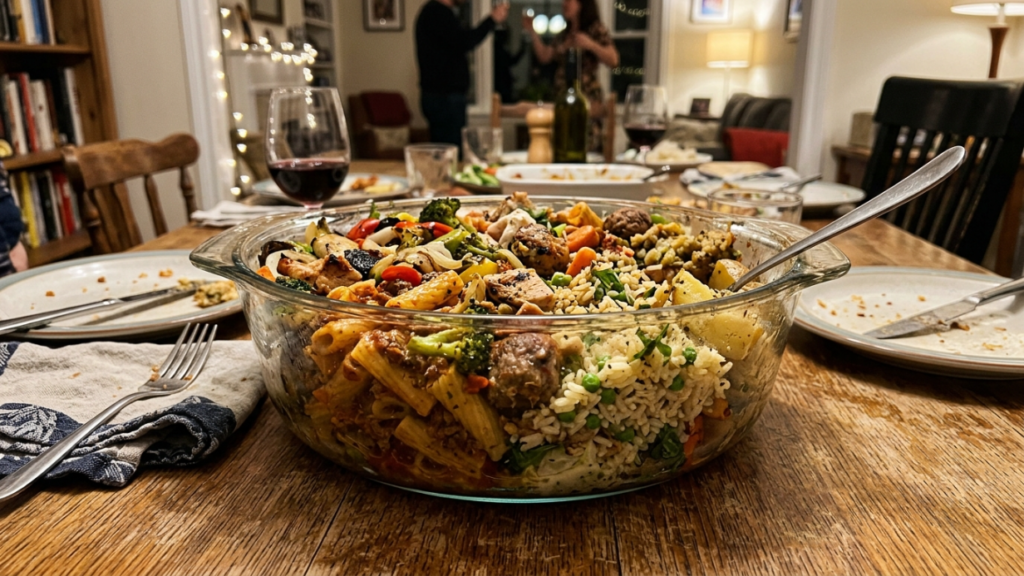
Mixing several partially consumed meals from event meals together can lead to a higher chance of being contaminated, as different utensils, temperatures, and times of exposure to the food occurred during the event.
Mushrooms Stored Too Long
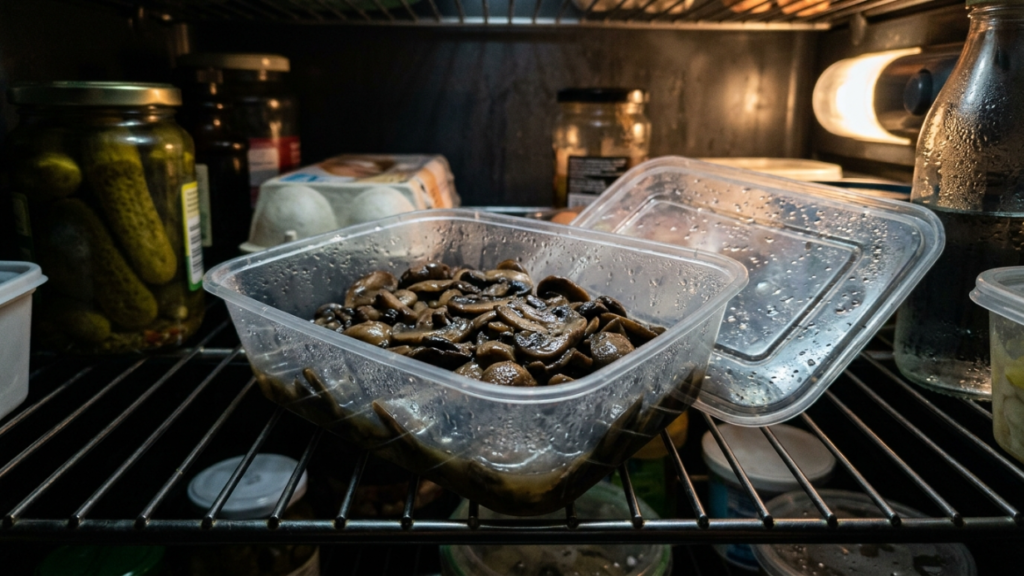
Once cooked, mushrooms can become mushy. Some food experts recommend consuming them earlier instead of the same food over the course of a few days, rather than being repeatedly reheated.
Takeout Containers Used Again
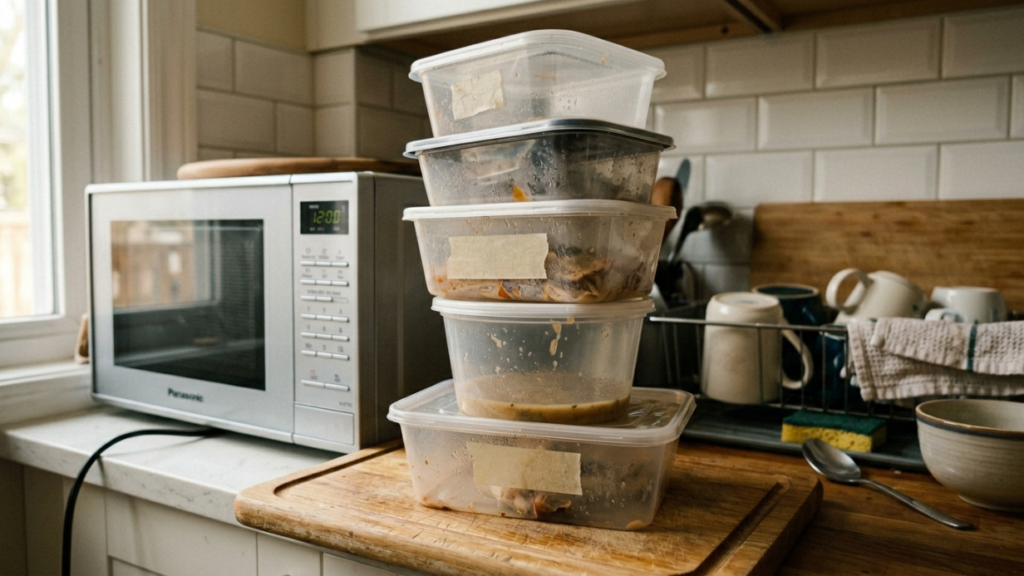
Some food containers are meant to be used just for takeout. Depending on the material of the container, they cannot be used repeatedly for reheating.
Leftovers Forgotten in the Fridge
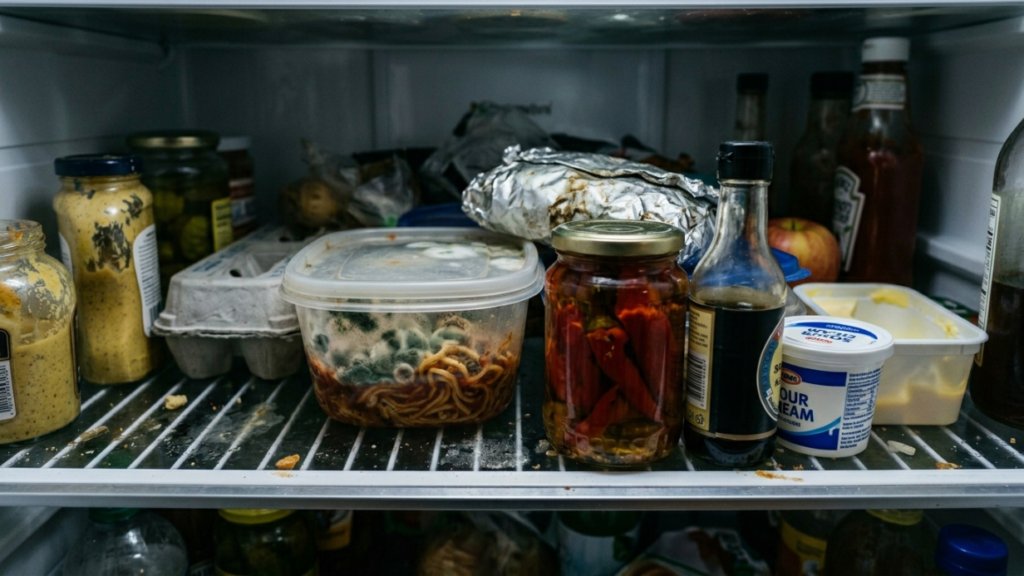
There are days when forgotten containers of food are found in the back corner of refrigeration units. In general, the United States Department of Agriculture (USDA) suggests waiting up to three to four days to consume leftovers to ensure food safety.