
 Morina Gael
 Well, it feels like every time we scroll through our feeds, we are met with another so-called miracle wellness trick that will transform our lives. Although visiting nature is a great instinct, a study published in Nature Medicine indicates that not all viral trends are supported by good evidence. From morning tonics to herbal supplements, there is science behind these claims that will guide you as you make your way through the cacophony of modern natural health.
Turmeric Golden Milk

This colorful yellow juice has been hailed as an anti-inflammatory drink. Its active constituent, curcumin, is the subject of Phytotherapy Research, as it may be used to alleviate joint pain and oxidative stress.
Tart Cherry Juice
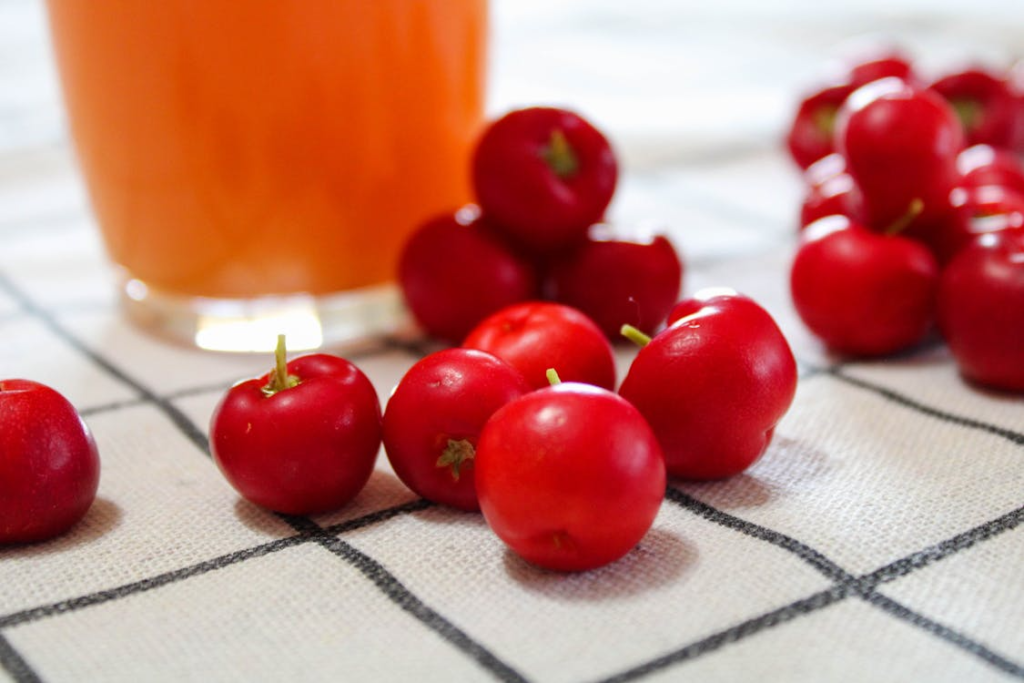
This is a well-liked sleep hack to drink before bed. According to the research published in the American Journal of Therapeutics, the natural amount of melatonin might potentially enhance your overall sleep duration and quality.
Ashwagandha Root
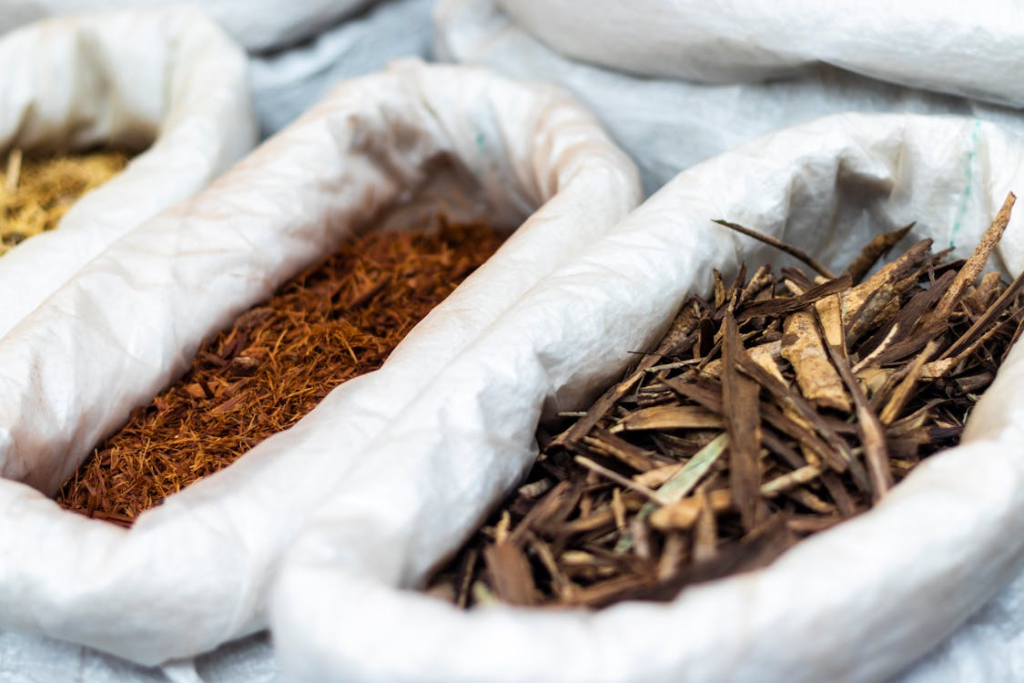
It is a very old herb that is commonly used to deal with stress in everyday life. It has been proposed by clinical trials published in the Indian Journal of Psychological Medicine that it can assist the body to keep the cortisol levels lower during stressful periods.
Raw Manuka Honey

In addition to being a sweet food, this honey is often utilized for its antibacterial properties. The Central Asian Journal of Global Health reports that it may be useful in the healing of minor wounds.
Oil Pulling
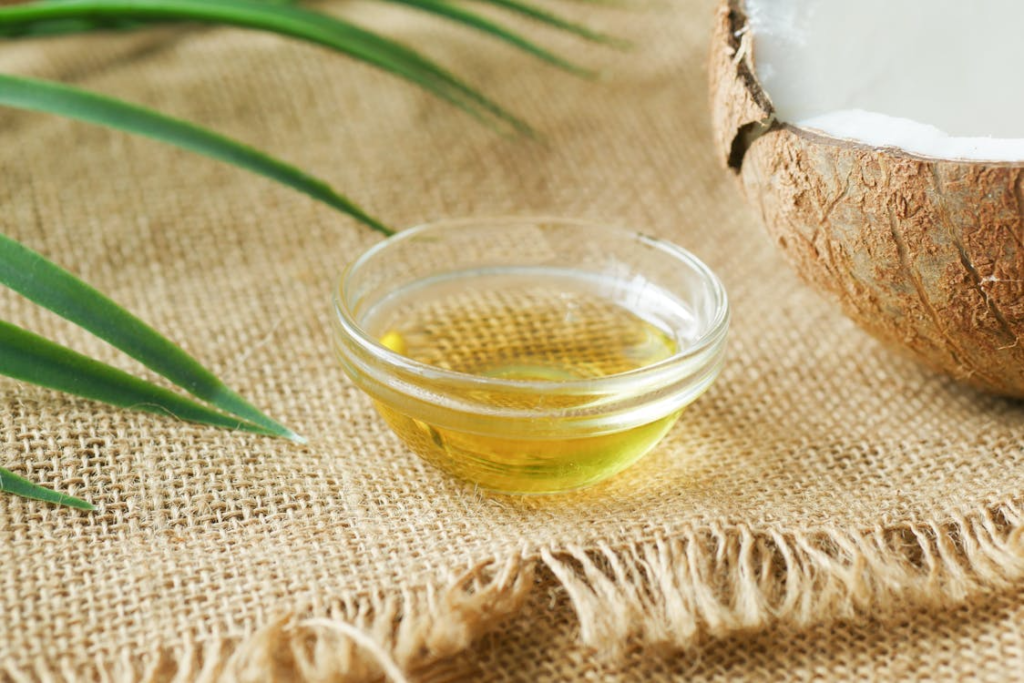
An ancient method of dental care is swishing coconut oil in your mouth. According to a study published in the Journal of Contemporary Dental Practice, it may have an effect of reducing oral bacteria just like some mouthwashes.
Elderberry Syrup

Elderberry is used by many during the colder months to aid immunity. It may also be beneficial in reducing the length of common cold symptoms in some people, as reported in the Journal of Dietary Supplements.
Peppermint Oil
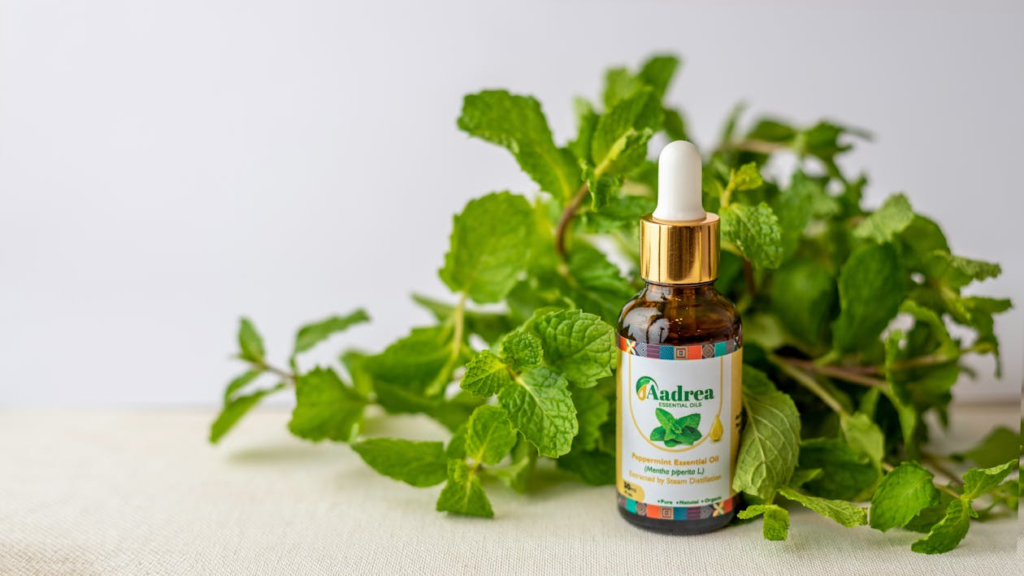
This is an old tension trick to rub on your temples. According to the journal Frontiers in Neurology, peppermint oil can be a good topical agent that can help to reduce the severity of a headache.
Ginger Tea
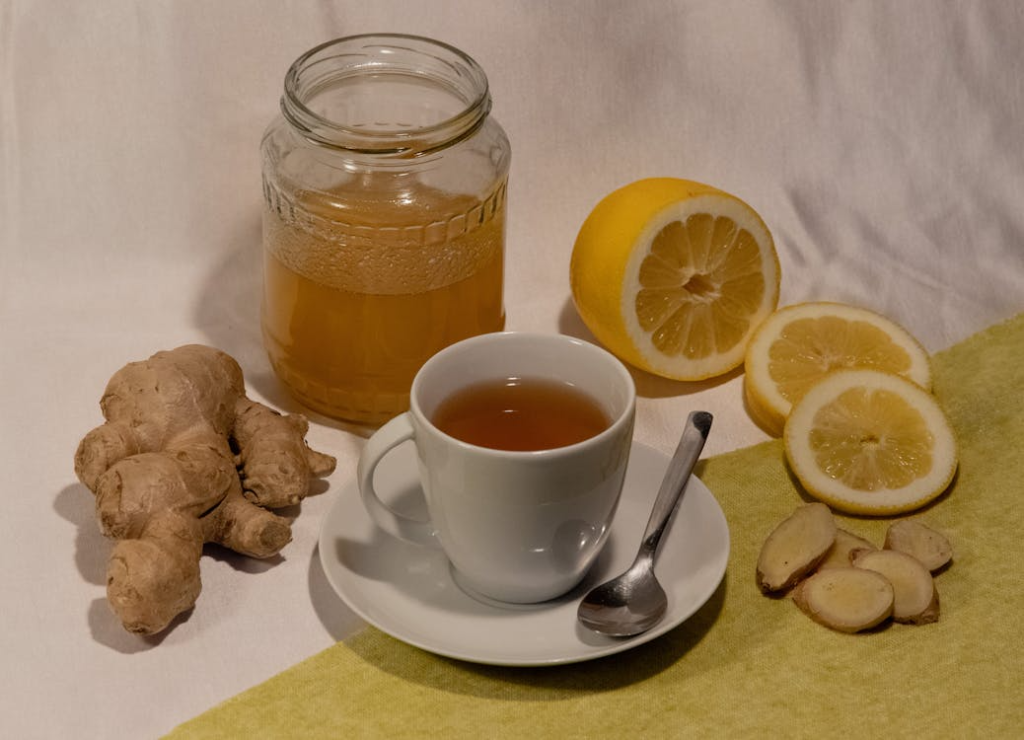
Ginger is what most people turn to when experiencing an upset stomach. Confirmed studies have been done on Integrative Medicine Insights, indicating that ginger may be a potent natural agent in the alleviation of different types of mild nausea.
Chlorophyll Water

Maybe more than just looking cool is that green water of yours in the fridge. In life sciences, some research has investigated its possible use as an internal deodorant and as a way of looking after the skin internally.
Castor Oil Packs

Putting these packs on the skin is a folk remedy for circulation. According to research conducted by Phytotherapy Research, ricinoleic acid can be anti-inflammatory when applied to the skin surface.
Bone Broth

The consumption of warm broth is widely mentioned as good for the gut. Although the amount of anecdotal evidence is high, scientific reviews in Medicina indicate that amino acids such as glycine have the potential to help the intestinal lining.